 how-to
Free Criminal Defense Legal Aid: San Fernando Valley Steps
Last Updated: November 4, 2026
Quick Summary
Free criminal defense legal aid in the San Fernando Valley is charitable representation, not the same as a public defender, who is a government employee assigned by the court. Most organizations with legal aid in the name handle civil matters only, so confirm whether a group handles criminal defense before applying.
- Legal Aid Foundation of Los Angeles and Neighborhood Legal Services of Los Angeles County do not handle criminal law cases.
- Request a court-appointed lawyer at your arraignment, where the judge reviews your finances.
- Bring pay stubs, tax returns, bank statements and benefit letters to any intake appointment.
- Ask a referral service whether it screens for criminal defense experience specifically.
- Call a defense attorney immediately if you are in custody or facing arraignment within 48 hours.
Table of Contents
- Criminal Defense Legal Aid vs. Public Defenders: Know the Difference
- Who Qualifies for Free Criminal Defense Legal Aid
- How to Get a Court-Appointed Lawyer for a Criminal Case
- The San Fernando Valley Legal Aid Application, Step by Step
- Using a Criminal Defense Lawyer Referral Service
- Finding a Low-Cost Criminal Defense Lawyer When Aid Falls Short
- Emergency vs. Non-Emergency: When to Call a Defense Attorney Now
- Request a Free Case Evaluation Before You Speak to Anyone Else
- Frequently Asked Questions
Criminal Defense Legal Aid vs. Public Defenders: Know the Difference
Free criminal defense legal aid in the San Fernando Valley is not the same thing as a public defender, and confusing the two wastes the most valuable hours of a case. Criminal defense legal aid is generally understood to mean charitable representation, while a public defender is a government employee assigned by the court. Confusing the two can cost people valuable time.
Here is the distinction that matters. Legal Aid Foundation of Los Angeles service scope states plainly that it does not handle criminal law cases. Neither does Neighborhood Legal Services of Los Angeles County. Most organizations with "legal aid" in the name focus on housing, benefits, family law and consumer debt, not criminal charges.
A public defender, by contrast, is appointed under the Sixth Amendment right to counsel and paid by the county. If you are in custody and cannot afford a lawyer, that is who appears at your arraignment.
The practical consequence: calling a civil legal aid office about a felony charge burns a day you do not have. For the detailed qualification rules, see how to qualify for a public defender in California.
Who Qualifies for Free Criminal Defense Legal Aid
Qualification for free criminal defense legal aid turns on two tests: financial eligibility and case type. An organization must both fund criminal defense work and find your income low enough to serve you.
Many civil legal aid groups use income ceilings tied to federal poverty guidelines and require proof of income before opening a file. Confirm each organization's current eligibility rules with the organization itself. Criminal-specific free representation is scarcer. It usually comes through one of four channels:
- Public defender offices, which screen for indigency at or before arraignment
- Nonprofit defense clinics, often funded by county or state grants
- Law school clinics, supervised by licensed attorneys
- Bar association pro bono programs, which match volunteer attorneys to cases
Many groups also apply asset tests and prioritize cases by type. A misdemeanor may fall outside a clinic's scope while a felony does not, or the reverse.
Income and Financial Documentation Checklist
Bring documentation to any intake appointment. Missing paperwork is the most common reason an application stalls.
- Recent pay stubs covering the last 30 to 60 days
- Prior year tax return or transcript
- Bank statements for all accounts, including savings
- Proof of any public benefits received
- Unemployment, disability or pension award letters
- Monthly expense list: rent, utilities, childcare, medical
- Child support or dependent care orders
- Any existing court debt or fines
- Photo identification and your case number or booking record
If you are supporting family members, document that too. Household size changes the income ceiling an organization applies.
How to Get a Court-Appointed Lawyer for a Criminal Case
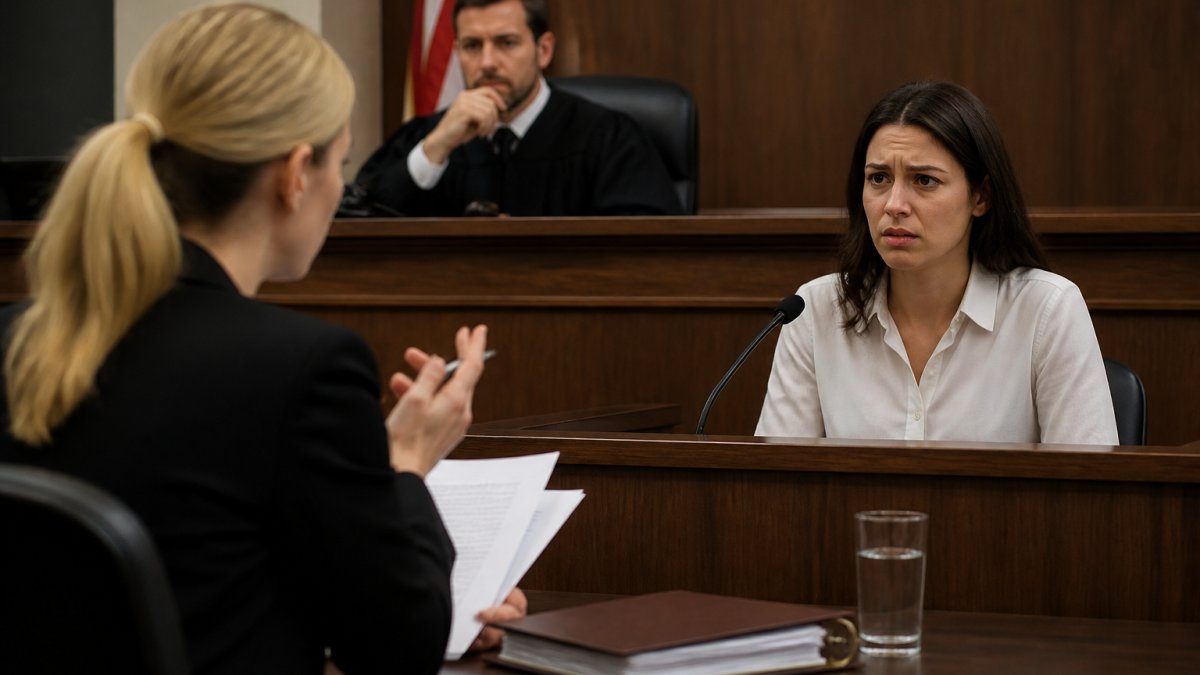
A court-appointed lawyer for a criminal case is requested at your first appearance, usually the arraignment, where the judge reviews your finances and appoints counsel if you qualify.
The judge typically asks about income, employment, dependents and assets. Answer honestly. Overstating hardship to secure counsel can be revisited later, and understating it means you may be denied.
If you are in custody, the arraignment happens quickly, sometimes within a day or two of booking. If you are out on bail or on your own recognizance, you receive a date.
California courts self-help center explains the forms and the general flow of a criminal case. For a walkthrough of the hearing itself, read what happens at an arraignment in Van Nuys Courthouse.
The San Fernando Valley Legal Aid Application, Step by Step
Applying for legal aid follows a predictable sequence: screening, intake, eligibility review, and assignment. The critical nuance most directories skip is that civil legal aid intake and criminal defense intake are separate pipelines.

Start by phone or through an online application portal if the organization offers one. Expect a short screening call to confirm your issue is within their service area and case type. If it is not, ask for a referral before you hang up.
What Happens During the Intake Process
Intake is typically a structured interview. A screener may ask for your name, contact details, household composition, income, assets and the facts of your case, and it can take a substantial amount of time.
Come prepared with dates. The date of arrest, the charges listed on your paperwork, your next court date and your booking number all matter.
After intake, a supervising attorney or eligibility specialist decides whether to open a file. You may hear back the same day or wait a week or more.
Watch out: do not wait for a legal aid call-back if you have an arraignment within 48 hours. Aid intake timelines are measured in days, and arraignment timelines are measured in hours.
Using a Criminal Defense Lawyer Referral Service
A criminal defense lawyer referral service matches you with private counsel rather than providing free representation, and it is the right tool when your income is too high for aid but too low for standard rates. Bar associations run certified referral programs, and some nonprofit legal referral networks do the same.
Request a Free Case Evaluation →
The value of a certified service is vetting. Referral programs often set their own requirements for participating attorneys, which may include insurance and experience standards. Ask the program what it verifies.
Ask three questions when you call:
- Does the service screen for criminal defense experience specifically?
- Is there a fee for the referral itself?
- What happens if the attorney and I do not agree on terms?
A referral is not a recommendation of outcome. It is an introduction. You still interview the attorney and confirm the fee arrangement in writing.
Finding a Low-Cost Criminal Defense Lawyer When Aid Falls Short
A low-cost criminal defense lawyer usually comes through one of five routes, and the right one depends on how far above the aid threshold you sit. For a deeper guide to locating low-cost criminal defense help, read how to find low cost criminal defense legal aid. Sliding scale fees, limited-scope representation and payment plans all exist, though availability varies by firm.
Here is how the options compare:
| Option | Who it suits | What to expect |
|---|---|---|
| Sliding scale nonprofit | Income just above aid ceiling | Fee set by income band |
| Limited-scope representation | One hearing only, such as arraignment | Flat fee for defined task |
| Bar referral panel | Needs vetted private counsel | Standard consultation |
| Law school clinic | Qualifying low-income defendants | Supervised student attorneys |
| Payment plan with private firm | Needs full representation | Negotiated schedule |
Sliding-scale fees. Some nonprofits use sliding-scale fees, which may depend on income and household size.
How to verify a referral panel attorney. Bar association referral panels screen for malpractice insurance and minimum experience, but that is not a guarantee of quality in criminal defense specifically.
What to negotiate in a retainer. Two mistakes cost people money here: hiring the cheapest attorney without checking criminal trial experience, and paying a retainer before confirming what it covers. Ask directly whether the fee includes trial, or only pre-trial negotiation. Negotiate three points in writing: (1) the scope, pre-trial only or through trial; (2) the payment schedule and whether it is refundable if the case resolves early; (3) who handles the case if the named attorney is unavailable.
Law school clinics: what to expect. Clinics supervised by licensed attorneys can provide free representation for qualifying defendants, but they operate on academic calendars and have limited case slots.
For real fee ranges in this market, see how much a criminal defense attorney costs in Los Angeles. If you are weighing several firms, our guide on how to choose the best criminal defense lawyers in Van Nuys covers the questions worth asking.
Watch out: paying a retainer before you have a written scope agreement is the most common way people lose money in this process.
Emergency vs. Non-Emergency: When to Call a Defense Attorney Now
Call a defense attorney immediately if you are in custody, scheduled for arraignment within 48 hours, being questioned by police, or subject to a probation or parole hold. Those four situations move fast and decisions made inside them are hard to undo.
Non-emergency situations still deserve prompt attention but can wait a few days: an old bench warrant you want to recall, an expungement question, or a letter requesting an interview you have not yet answered.
Watch out: speaking to investigators "just to clear things up" before counsel is present is the single most damaging thing a person can do in the first week. The attorney-client privilege protects conversations with your lawyer, not with police.
Request a Free Case Evaluation Before You Speak to Anyone Else
The gap between free criminal defense legal aid and paid representation is significant, and many people fall somewhere in between. Aid can be limited in scope, and many organizations do not handle criminal matters. Public defenders are appointed, not chosen. Referral panels connect you to private counsel but do not fund it.
That leaves a decision. Van Nuys Crime represents clients from arrest through trial and appeal. Our attorneys aim to protect clients' rights and reputations through a personalized defense strategy, and we will explain what to expect at each stage of the case.
Get started with Van Nuys Crime and request a free case evaluation before you speak to anyone else.
Frequently Asked Questions
Can legal aid help with a criminal defense case in the San Fernando Valley?
Most traditional legal aid organizations focus on civil matters and explicitly do not handle criminal cases. For criminal charges, your options are a court-appointed public defender if you qualify as indigent, a nonprofit or bar association referral to a low-cost attorney, or a private firm offering a free case evaluation. Confirm what each organization covers before you apply, because a criminal defense legal aid referral often comes through a directory rather than a full-service aid office.
How do I ask for a court-appointed lawyer for a criminal case?
At your first court appearance, tell the judge you cannot afford an attorney and ask for court-appointed counsel. You will complete a financial declaration listing income, expenses, assets, and dependents. The court reviews it and decides whether you qualify for a public defender or appointed counsel. Bring pay stubs, bank statements, and proof of any benefits. If you are denied, you can ask the court to reconsider or request a referral to a low-cost defense option.
What documents should I gather for a San Fernando Valley legal aid application?
Most intake offices ask for photo identification, proof of address, recent pay stubs or unemployment documentation, bank statements, proof of public benefits such as CalFresh or Medi-Cal, and a list of monthly expenses including rent and childcare. If you are applying for criminal defense help, also bring the case number, the charges listed on your paperwork, your arraignment date, and any police or court documents you have received. Complete documentation speeds up the eligibility review.
What should I do if I cannot afford a criminal defense attorney?
Start by requesting court-appointed counsel at your arraignment. In parallel, contact your local bar association for a criminal defense lawyer referral service, ask about sliding scale fees at nonprofit legal clinics, and check whether any firm in the area offers a free case evaluation. Avoid speaking to investigators or making statements before you have counsel. If a warrant, probation violation, or custody situation is involved, treat it as urgent and seek advice the same day.