 how-to
How to Modify a Domestic Violence No-Contact Order
Table of Contents
- Criminal No-Contact Orders vs. Civil Protection Orders: Know Which One You Have
- Who Can Request a Change or Termination of a No-Contact Order
- Which Court Handles the Request to Modify a No-Contact Order
- How to File a Motion to Modify a Protection Order
- No-Contact Order Modification Forms and Paperwork You Will Need
- What Happens at a Protection Order Modification Hearing and After the Ruling
- Staying Safe While Your Request Is Pending and Getting Help Before You File
- Frequently Asked Questions
Last Updated: October 29, 2026
Criminal No-Contact Orders vs. Civil Protection Orders: Know Which One You Have
If you want to change a domestic violence no-contact order, the first step is knowing what kind of order you have, because knowing how to modify a domestic violence no contact order starts with identifying the order's type. Knowing the difference early helps, because the process for changing a criminal order can differ from the process for a civil protection order.
A criminal no-contact order is usually issued by a judge during a criminal case, often at arraignment or as a bail condition. A civil protection order is requested separately, usually by the person who feels at risk, and goes through a civil court. Both can bar contact, but they come from different cases and follow different rules.
Check your paperwork. The order's title, the case number, and the court that issued it will tell you which type you have. Look for the words "criminal" or "civil," and note whether a criminal case is still open.
Watch out: Do not assume an order will end when the criminal case ends. Many orders stay in place until a judge changes or terminates them, so check the date and conditions before you contact anyone covered by the order.
Who Can Request a Change or Termination of a No-Contact Order
Who may ask for a change depends on the type of order and the stage of the case. In general, the restrained person, the protected person, or their attorney may file a request, though the rules vary by court and by order type.
Because the rules differ, confirm with the court clerk or a lawyer who can review your specific order before filing. Filing the wrong request, or filing from the wrong party, can delay your case.
Which Court Handles the Request to Modify a No-Contact Order
The request is usually heard by the court that issued the order. For a criminal no-contact order, that is typically the criminal court handling the case. For a civil protection order, it is the civil court that granted it.
Cases in the Van Nuys area are heard in the local superior court system. The clerk's office can tell you which department and courtroom handle your matter.
How to File a Motion to Modify a Protection Order
Filing a motion is the formal way to ask the court to change, extend, or end an order, and it is the core step in learning how to modify a domestic violence no contact order through the court. The exact packet depends on whether you have a criminal no-contact order or a civil protection order, and on the state and county where the order was issued.
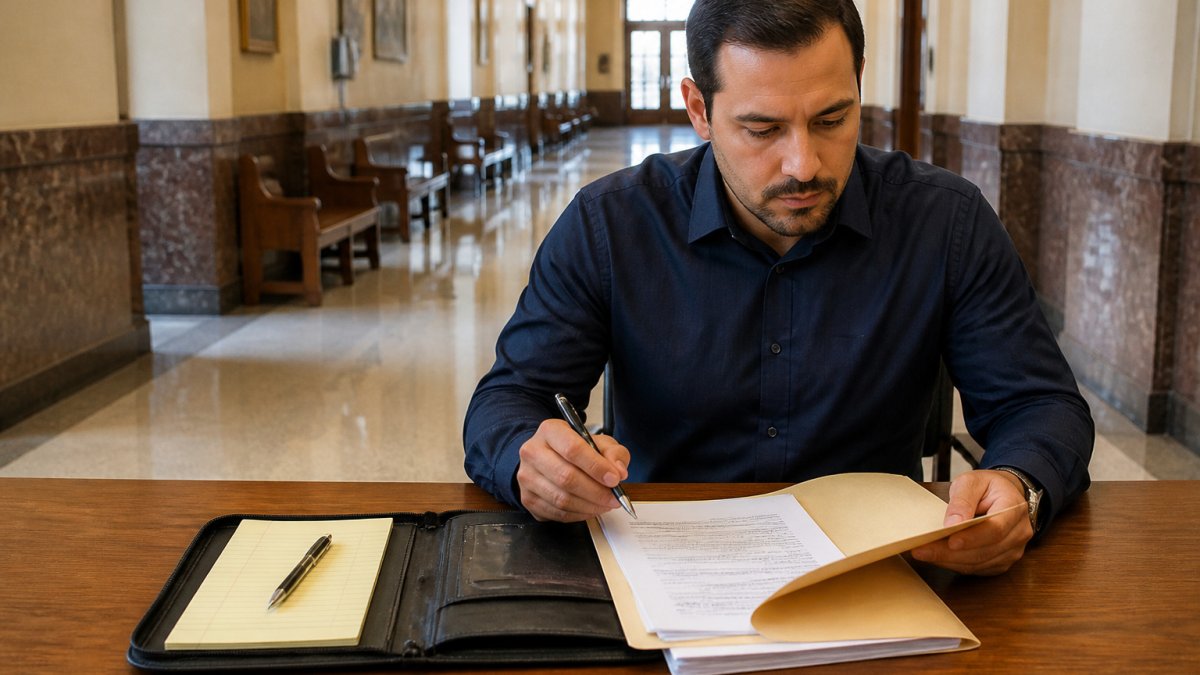
Step 1: Identify the issuing court and the correct form set. Pull out the original order and note the court name, case number, and department. For a civil protection order, the request is typically made on the same form family used to obtain the order, for example, a "Request for Order" or "Motion to Modify" form paired with a declaration and a proposed order.
Step 2: Write a short, factual declaration. The declaration is where most self-represented filers lose ground. State the specific change you want (for example, "terminate the no-contact provision" or "allow third-party contact through a designated intermediary"), the facts that support it, and the date of each event. Attach the original order and any documents that show a change in circumstances, completion of a batterer intervention or anger management program, a dismissal of the underlying criminal charge, a move, or a medical or employment need.
Step 3: File with the clerk and handle the fee. File the original plus the number of copies the clerk requires. Filing fees vary by state and by court; if you cannot afford the fee, ask the clerk whether a fee waiver form is available. Fee waiver eligibility rules are set by state law, so ask the clerk before you pay.
Step 4: Serve the other side exactly as the court directs. Service is the step most likely to derail a motion. In civil protective order cases, the protected person and sometimes the prosecuting or child-support agency must be served with a copy of the motion and the hearing notice, and proof of service must be filed before the hearing. In criminal cases, the prosecuting attorney's office is typically served, and the court may require notice to the protected person through the prosecutor or victim advocate.
Step 5: Get the hearing date and calendar it. The clerk will assign a hearing date, and the court will issue a notice. Confirm whether the hearing is in person, by video, or by phone, and confirm the department number. Missing the hearing can result in denial of your motion or, in criminal cases, a warrant.
Do not contact the protected person to "work out" the modification, even if you believe they agree. Informal agreement does not change a court order, and contact that violates the current order can lead to new criminal charges or a probation violation. Direct all communication through the court, the prosecutor, or your attorney.
Keep a complete file: the original order, your filed motion stamped by the clerk, the proof of service, and the hearing notice. Bring the file to the hearing and keep a copy after the ruling. If you later need to modify or enforce the order, this file is your record.
[Find court forms and self-help resources for your state](https://selfhelp.courts.ca.gov/self-help/find-self-help)
Learn about protection orders and victim resources
Request a Free Case Evaluation →
The core filing steps are summarised below, so you can check what each one involves and when it happens.
| Step | What to do | Time or frequency |
|---|---|---|
| Identify the issuing court | Note the court name, case number and department from the original order | Before any form is chosen |
| Write a short declaration | State the specific change, supporting facts and dates; attach the order | Before filing |
| File with the clerk | File the original plus the copies the clerk requires; handle the fee | At filing |
| Serve the other side | Serve as the court directs; file proof of service before the hearing | Before the hearing |
| Get and calendar the hearing date | Confirm format, date and department; missing it can mean denial or a warrant | After filing, per the clerk's notice |
No-Contact Order Modification Forms and Paperwork You Will Need
Forms differ by county and by order type, so start by checking the court's current list. Typical paperwork includes the request or motion form, a declaration explaining your reasons, a proposed order, and a proof of service showing the other party received copies.
Gather supporting documents too, such as the original order, any criminal case paperwork, and records that show a change in circumstances. Bring copies to court in case the judge asks for them.
What Happens at a Protection Order Modification Hearing and After the Ruling
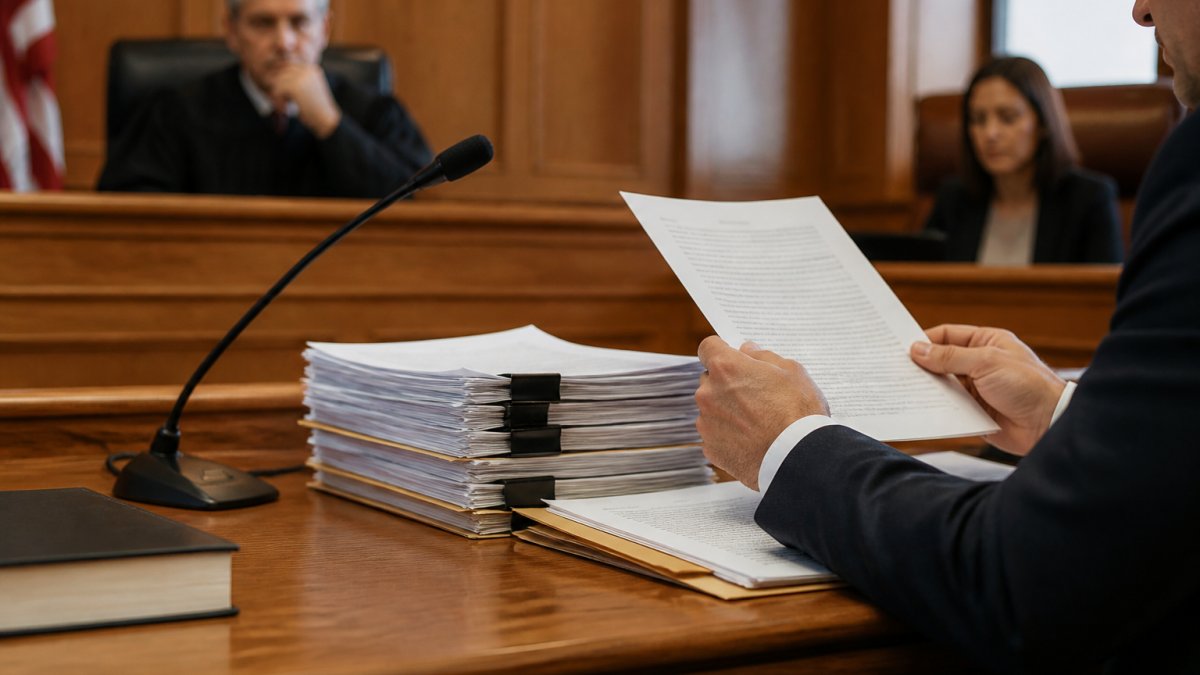
A modification hearing is often short, but the outcome depends on preparation. The judge will confirm who is present, review the motion and any response, and ask questions. In civil protective order cases, both the protected person and the restrained person may appear and may be represented; in criminal cases, the prosecutor represents the state, and the protected person may appear through a victim advocate. The judge may rule from the bench or take the matter under submission and issue a written decision later.
What the judge is deciding. The judge is not re-deciding the original order. The question is whether the requested change is supported by the facts and consistent with the law and the safety of the protected person. Common outcomes include granting the change as requested, granting a narrower change (for example, allowing contact only through a third party or only for specified purposes), denying the motion without prejudice (meaning you can refile later), denying it with prejudice, or setting conditions such as completing a program before reconsideration. In criminal cases, the judge may also consider the position of the prosecutor and any probation department.
How to organize evidence for the hearing. Bring the original order, your filed motion, the proof of service, and a one-page summary of the facts and dates you rely on. If you are asking to end the order because the underlying case was dismissed or a program was completed, bring the dismissal order or certificate of completion. If you are asking for a change because of a medical, employment, or housing need, bring documentation. Do not bring recordings or messages obtained in violation of the order; they can create new legal problems.
What happens after the ruling. Ask the clerk for a certified copy of the new order before you leave the courthouse. Read it line by line and note the effective date, the expiration date, and any conditions. If the order was changed, provide a copy to anyone who needs it, your attorney, your employer if relevant, and the local police department if the order is registered there.
While the request is pending. The existing order remains in full force until the judge signs a new order. A verbal assurance from the protected person, a text message, or a conversation in the courthouse hallway does not authorize contact. If the protected person initiates contact, do not respond directly; document it and route it through your attorney or the prosecutor. If you feel pressured, threatened, or at risk of retaliation for filing, contact a domestic violence advocate or local law enforcement. Safety planning is not only for the protected person, restrained persons who are being pressured or coerced should also seek guidance before the hearing.
The order changes only when a judge signs a new written order. Until then, follow the original terms exactly, keep your paperwork organized, and use the court and prosecutor as your communication channel.
Understand the court hearing process and victim rights
Find local advocacy and safety planning support
Staying Safe While Your Request Is Pending and Getting Help Before You File
While your request is pending, the existing order stays in force. Follow every condition, keep distance from the protected person, and avoid third parties who might carry messages. If you feel unsafe, contact local police or emergency services right away.
Getting help early can make a difference. A free consultation with a criminal defense attorney, legal aid organizations, and local domestic violence support programs can all help you understand your options. You can also request a free case evaluation from Van Nuys Crime to talk through your situation before you file.
Frequently Asked Questions
How do I file a motion to modify a no-contact order?
Start by obtaining the correct modification or motion form from the court clerk in the county that issued the order, or from its official website. Complete the form with the case number, the order details, and the specific changes you are requesting, such as allowing contact for child custody exchanges. File the completed form with the clerk, pay any filing fee or request a fee waiver, and arrange for the other party to receive a copy. Rules differ by state and county, so confirm the exact procedure with the court before filing.
Can a domestic violence no-contact order be changed or ended?
In many cases, yes, but the process depends on the type of order. A criminal no-contact order is typically tied to a pending criminal case and is usually addressed by the criminal court handling that case. A civil protection order can be modified or terminated through a motion filed in the court that issued it. A judge generally decides whether a change is appropriate, and the protected person's wishes are one factor the court may consider. Consulting a criminal defense attorney can help you understand which path applies to your situation.
Who can request a change to a no-contact order?
Typically, the restrained person can file a request to modify or terminate the order, and the protected person can ask the court to change its terms. Depending on the jurisdiction, a prosecutor may also be involved in criminal cases. Because eligibility rules vary by state and by the type of order, check the order itself and the court's local rules to confirm who is permitted to file.
What should I do while a request to modify the order is pending?
Continue to follow the existing order until the judge rules on your request. Violating the order while a modification is pending can result in new criminal charges, even if you believe the request will be granted. Keep copies of all filings, track every court date, and avoid any contact the order prohibits. If you have safety concerns, contact local domestic violence advocates or a hotline for confidential support and safety planning.