 how-to
How to Handle a Motion to Quash Hearing
Last Updated: October 29, 2026
Quick Summary
A motion to quash hearing is a court proceeding where a judge decides whether to cancel a subpoena, summons, or other legal demand before it takes effect. The hearing does not decide guilt or innocence; it settles only whether the demand should survive or be nullified. Most hearings last between 10 and 30 minutes.
- The burden of proof sits with the party moving to quash, who must show the defect, not just allege it.
- Many courts post a tentative ruling before the hearing, sometimes the court day before.
- Bring your filed motion, proof of service, the subpoena at issue, and a one-page summary of your strongest grounds.
- Ask the court to quash and, in the alternative, to issue a protective order limiting the demand.
- If the judge grants the motion, the subpoena is quashed and cannot be enforced; if denied, you must comply or face contempt.
Table of Contents
- What a Motion to Quash Hearing Actually Decides
- The Motion to Quash Hearing Process, Step by Step
- What to Bring to a Motion to Quash Hearing
- How Long a Motion to Quash Hearing Duration Typically Runs
- Grounds That Sway the Judge and Grounds That Fail
- Remote vs. In-Person Hearing Etiquette
- What Happens After the Ruling
- Get Representation Before Your Hearing Date
- Frequently Asked Questions
What a Motion to Quash Hearing Actually Decides
That distinction matters more than most people realize.
Think of it this way. A subpoena or summons is a court order with teeth.
The California Courts self-help guide on subpoenas explains that a subpoena can demand your presence, your records, or both.
For comparison, a what happens at a preliminary hearing is a different animal entirely.
A granted motion can void a subpoena outright, which can shift the direction of a civil or criminal matter.
The Motion to Quash Hearing Process, Step by Step
The process follows a predictable sequence: file the motion, serve notice on the other side, wait out the opposition and reply briefing cycle, appear for oral argument, and receive a ruling. Each step has deadlines, and missing one can sink the motion before the judge ever hears it. The briefing cycle and the court's tentative-ruling practice can shape what happens on hearing day.
Filing the Motion and Serving Notice
You start by filing a written motion with the clerk of court. The document must state your legal grounds, cite the specific statutory authority for quashing, and attach evidentiary support such as a declaration describing the defect and an affidavit of service showing how the subpoena was delivered.
Then you serve a notice of motion on the opposing party and any affected litigant. Service must follow the rules exactly, who may serve, how service is completed, and how many days before the hearing the papers must arrive.
If your hearing date conflicts with your schedule, you may need to reschedule a court date rather than miss the appearance.
The Opposition and Reply Briefing Cycle
After you serve the motion, the opposing party files a written opposition by a deadline set by statute or local rule. You then have a shorter window to file a reply.
A common pattern is that the moving party's reply is the last word the judge sees before the hearing. Use it to correct misstatements in the opposition and to focus the court on your strongest single ground rather than re-arguing everything.
The Tentative Ruling
Many courts post a tentative ruling before the hearing, sometimes the court day before. The tentative is the judge's preliminary decision based on the papers. If neither side requests oral argument on the tentative, the tentative can become the final ruling without anyone appearing.
This is a step non-lawyers can easily overlook. Confirming these procedural requirements ensures you are fully ready to prepare for court and avoids the common pitfalls that often derail an otherwise sound legal argument.
Oral Argument Before the Judge
At the hearing, each side gets time for oral argument.
Keep your argument tight. Judges have full judicial discretion and crowded dockets. A focused ten-minute argument beats a rambling thirty-minute one.
The judge then rules, often from the bench. Some rulings come in writing days later.
The hearing process follows a predictable sequence, and each step carries its own deadline.
| Step | What happens | Timing note |
|---|---|---|
| File the motion | Written motion with grounds, statutory authority, declaration, affidavit of service | Must follow service rules exactly |
| Serve notice | Notice of motion on opposing party and affected litigants | Late or wrong-party service invites denial |
| Opposition | Opposing party files written opposition | Deadline set by statute or local rule |
| Reply | Moving party files reply | Shorter window than opposition |
| Tentative ruling | Judge's preliminary decision based on the papers | Sometimes posted the court day before |
| Oral argument | Each side presents grounds; judge may ask questions | Focused ten minutes beats rambling thirty |
| Ruling | Judge rules, often from the bench | Some rulings come in writing days later |
What to Bring to a Motion to Quash Hearing
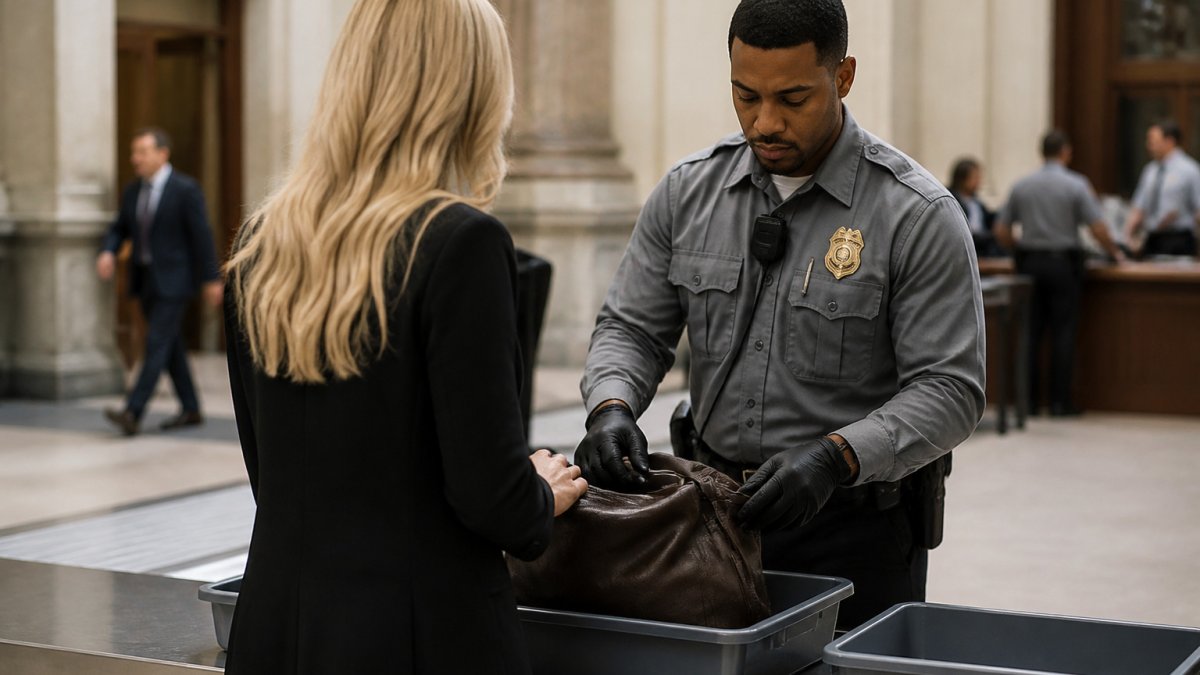
Bring your filed motion, the proof of service, the original subpoena or summons, and any documents that support your objection. If you appear in person, expect security screening, so check the courthouse security screening rules before you pack your bag.
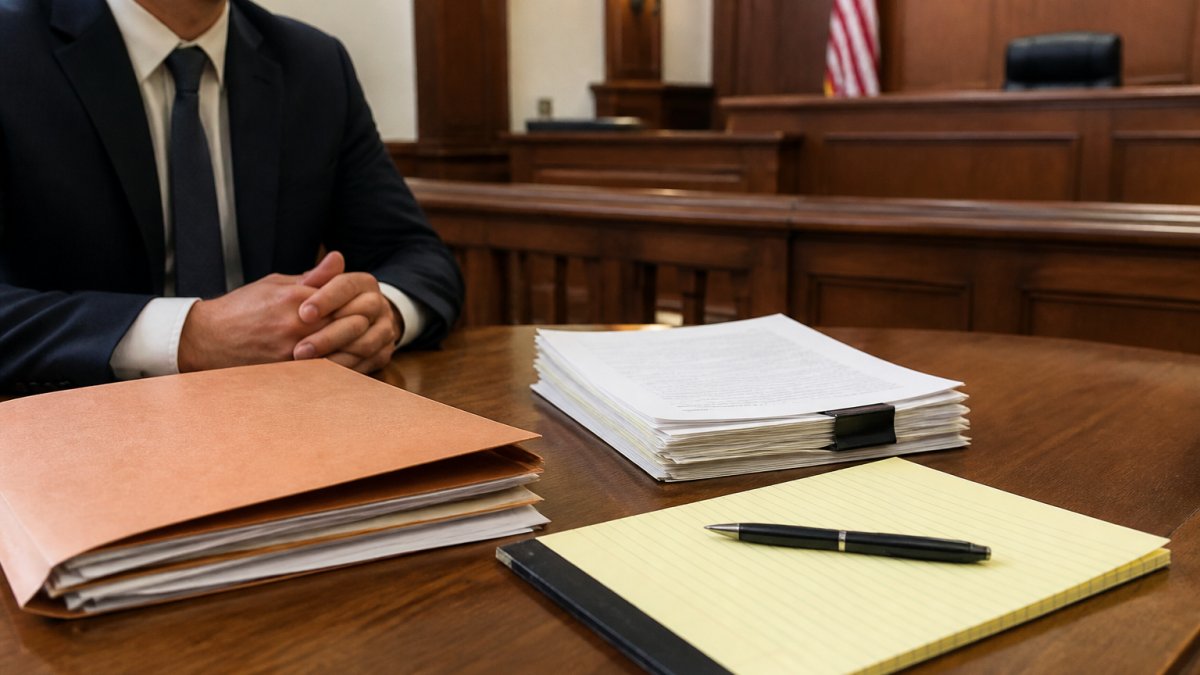
A practical checklist:
- Your filed motion and a copy for the judge
- Proof of service or affidavit of service
- The subpoena, summons, or complaint at issue
Leave anything that could trigger a security delay at home. Arrive early. Judges notice tardiness.
How Long a Motion to Quash Hearing Duration Typically Runs
Most motion to quash hearings last between 10 and 30 minutes, though complex cases with extensive evidentiary support can run longer. The motion to quash hearing duration depends on how many issues the judge must weigh and how crowded the calendar is.
Law and motion calendars often stack multiple matters in one session. You may wait an hour for your ten-minute slot. Plan for the wait, not just the argument.
Request a Free Case Evaluation →
If the judge takes the matter under submission, the ruling may arrive days or weeks later. Ask the clerk how that court handles submitted rulings.
Grounds That Sway the Judge and Grounds That Fail
Grounds that succeed usually point to a concrete, provable defect: improper service, a demand that exceeds the court's personal jurisdiction, a request that violates statutory requirements, or a burden the movant can document. Grounds that fail tend to be vague complaints about burden with no evidentiary support. The difference between the two is almost always the record, not the legal theory.
The Burden-Shifting Framework
The burden of proof sits with the party moving to quash. That means you must show the defect, not just allege it. In practice, judges apply a rough burden-shifting sequence:
- The movant identifies a specific defect, for example, that service was never completed or that the demand seeks records outside the case's scope.
- The responding party must justify the demand, showing that the subpoena was properly served and that the requested material is relevant and within the court's authority.
- The judge weighs the record, deciding whether the movant's evidence actually establishes the defect or merely raises a suspicion.
A declaration that says "I was never served" without details about where you were and how you know is weak. A declaration that states the date, the address where you actually resided, and the fact that no one appeared does the work.
Strong Grounds and What Each Requires
- Improper service of process. The subpoena was never properly delivered. Requires an affidavit or declaration describing the attempted service and the defect, wrong address, wrong person, or service outside the permitted method.
- Lack of personal jurisdiction. The court has no authority over you. Requires evidence of your contacts, residence, or business location relative to the forum.
- Overbreadth. The demand seeks far more than the case requires. Requires a description of the demand and an explanation of why the scope exceeds the claims at issue.
Weak Grounds and Why They Fail
General objections without proof lose. A litigant who says "this is too much" without documents showing why will lose. So will a movant who argues the underlying case is weak, the hearing does not test the merits of the case, only the validity of the demand.
Judges weigh due process concerns seriously, but only when the record supports them. A constitutional argument without facts is just a label.
The Fallback: A Protective Order
A protective order is sometimes the better tool. Instead of voiding the subpoena entirely, the court can limit its scope, set conditions on production, or shift costs. Ask for that as a fallback in the alternative, a judge who is unwilling to quash may still be willing to narrow.
Remote vs. In-Person Hearing Etiquette
Remote appearances are now common for motion practice in many courts, and the etiquette differs from showing up in person.
In person, stand when the judge enters, address the court as "Your Honor," and never interrupt opposing counsel.
Both formats share one rule: be brief and be civil. Judges remember attorneys who waste their time.
Check your court's rules before the hearing.
What Happens After the Ruling
If the judge grants the motion, the subpoena or demand is quashed, meaning it cannot be enforced.
A granted motion can be appealed in some circumstances, and the other side may simply reissue a corrected subpoena.
Either way, get the ruling in writing. The minute order and any written decision belong in your file, and they shape what happens next in the case.
Many people assume the ruling ends the fight. Often it just moves it.
Get Representation Before Your Hearing Date
Handling a motion to quash alone is risky. The deadlines are strict, the procedural rules are unforgiving, and a judge will not fill in the gaps for a self-represented litigant.
A criminal defense attorney can review police reports and service records, identify weaknesses in the other side's position, and build a strategy around your specific circumstances. Learn about Arvand Naderi, a skilled criminal defense lawyer and his background before booking a consultation.
Learn more about what a criminal defense lawyer can do for you before your hearing date.
Frequently Asked Questions
What happens if the judge denies a motion to quash?
If the judge denies the motion, the subpoena or service stands and you must comply with its terms. For a subpoena, that means producing the requested documents or appearing at the scheduled time. For a service challenge, the case proceeds as if service was valid. The judge may issue a protective order limiting scope instead of quashing outright. You generally have a short window to seek reconsideration or appeal, so ask your attorney about deadlines before leaving the courtroom.
Can you refuse to be served by a process server?
Refusing to accept papers does not void service. Under California law, a process server can leave the documents and complete service through substituted service, such as leaving copies at your home or office and mailing them. Dodging a server usually delays nothing and can make you look evasive to the court. If you believe service was improper, the correct move is to challenge it with a motion to quash rather than avoid the server.
What are the grounds for quashing a subpoena?
Common grounds include improper service, a request that is overly broad or unduly burdensome, requests for privileged material such as attorney-client communications, failure to allow a reasonable compliance deadline, and demands that seek information irrelevant to the case. In federal court, objections are typically raised under Rule 45. The judge weighs the burden on the recipient against the requesting party's need for the evidence, and may narrow the subpoena rather than quash it entirely.
Do I need a lawyer at a motion to quash hearing?
You are not required to have counsel, but self-representation carries real risk. Hearings move fast, judges expect precise citations to the record, and a missed procedural step can waive your objection. An attorney knows the local courtroom, prepares the paperwork correctly, and can argue the burden of proof on the spot. If the underlying case is a criminal matter with serious charges, having counsel at the hearing protects both the motion and the larger defense.
A missed deadline or a thin motion can cost you the hearing before you ever speak. If you are facing a motion to quash hearing, do not wait until the week of court. Van Nuys Crime offers personalized representation, aggressive defense strategies, and direct communication from your first call through the final ruling. Get started with Van Nuys Crime and walk into your hearing prepared.