 how-to
Can a Murder Charge Be Reduced to Manslaughter?
Last Updated: October 27, 2026
Quick Summary
A murder charge reduced to manslaughter is possible, but it is not automatic. The reduction can happen when prosecutors file a lesser charge, through a plea agreement, or when a jury returns a manslaughter verdict at trial. It turns on the defendant's mental state, such as malice, provocation, or recklessness.
- A prosecutor can file manslaughter from the outset instead of murder.
- A plea agreement can dismiss the murder count in exchange for a manslaughter plea.
- Only a jury can reduce a charge by verdict after trial.
- Provocation must be adequate and the defendant must act before cooling off.
- A manslaughter conviction remains a serious felony with lasting consequences.
Table of Contents
- Murder vs. Manslaughter: The Core Legal Difference
- When a Murder Charge Can Be Reduced to Manslaughter
- Voluntary Manslaughter: Killing in the Heat of Passion
- Involuntary Manslaughter: Unintentional and Reckless Killings
- How Prosecutors, Plea Deals, and Juries Decide the Charge
- Manslaughter Plea Deals and What Happens After a Reduction
- Next Steps If You or a Family Member Faces a Murder Charge
- Frequently Asked Questions
Murder vs. Manslaughter: The Core Legal Difference
Murder and manslaughter both involve an unlawful killing, and a murder charge reduced to manslaughter still reflects that same unlawful death. The difference is the defendant's mental state at the time. The charge a person faces often turns on this distinction.
Murder generally requires malice aforethought (malice aforethought | Wex | US Law). Manslaughter generally involves a killing without that malice, often because of provocation or recklessness. Prosecutors must prove these elements, and the details of each case shape which charge fits.
Malice aforethought, premeditation, and provocation
Malice aforethought means the defendant intended to kill or acted with extreme indifference to human life. Premeditation means the planning happened before the act. Provocation asks whether a sudden, serious provocation caused the defendant to lose self-control.
- Malice: Intent to kill or conscious disregard for life
- Premeditation: Planning or deliberation before the act
- Provocation: A sudden event that triggers a heat-of-passion response
When a Murder Charge Can Be Reduced to Manslaughter
A murder charge can be reduced to manslaughter, but a reduction is not automatic, and it does not happen in a single moment. The murder charge reduced in practice depends on which stage the case has reached. It can occur at three distinct stages, each controlled by a different decision-maker. Understanding which stage you are in, and who holds the power at that stage, is the practical answer to whether a reduction is possible in a given case.
Stage 1: The charging decision (prosecutor discretion)
Before anyone is arraigned, the prosecutor reviews the police investigation and decides what to file. This is the first and often the best opportunity for a reduction. The prosecutor can:
- File manslaughter instead of murder from the outset
- File murder but add a lesser included manslaughter count
- File murder and later amend the charging document as evidence develops
Prosecutors are not required to file the most serious charge the facts could support. Many offices follow internal charging guidelines that weigh proof problems, witness reliability, and the strength of the malice evidence.
Stage 2: Pre-trial negotiation (plea agreements)
If a murder charge is filed, the case usually moves toward a negotiated resolution. A plea agreement is a contract: the defendant pleads guilty or no contest to manslaughter (or to a lesser murder degree) in exchange for the prosecutor dismissing the murder count. The judge must accept the agreement, and judges can reject deals they consider too lenient.
Plea reductions tend to happen when the prosecution's murder case has weaknesses, an unreliable eyewitness, a self-defense claim, a forensic dispute about cause of death, or a provocation narrative that supports heat of passion.
Stage 3: Trial (jury verdict on lesser included offenses)
If no agreement is reached, the case goes to trial. In many jurisdictions, the judge instructs the jury that it may convict on murder, on a lesser included offense such as voluntary manslaughter, or acquit. The jury, not the prosecutor, then decides whether the evidence proves malice beyond a reasonable doubt.
This is the key distinction the query turns on: a prosecutor can reduce a charge by filing or agreeing to a lesser count, but only a jury can reduce a charge by verdict after trial.
What evidence actually drives a reduction
Reductions are won or lost on the facts. The evidence that most often supports a manslaughter outcome includes:
- Intent evidence: texts, social media posts, and witness statements showing the defendant acted in fear, anger, or panic rather than with planning
- Forensic findings: autopsy results, wound patterns, and scene evidence that undercut premeditation or support a sudden struggle
- Provocation evidence: a sudden discovery, an attack, or a quarrel that would cause an ordinary person to lose self-control
- Timing evidence: proof that the defendant acted before cooling off, which is essential to heat of passion
- Self-defense and imperfect self-defense: facts showing the defendant reasonably (or honestly but unreasonably) believed force was necessary
Evidence can also cut the other way. Planning, concealment, weapon choice, and statements after the killing are the facts prosecutors use to hold a murder charge. A realistic assessment weighs both sides. These critical details ultimately dictate the strategy and trajectory of criminal defence proceedings.
Why there is no universal answer
State law controls how murder and manslaughter are defined and which lesser offenses a jury may consider. Some states recognize imperfect self-defense as a form of voluntary manslaughter; others do not. Some require the jury to be instructed on lesser included offenses; others leave that to the parties. That variation is why the same facts can produce different charges in different states, and why a local defense attorney's read on the charging office and the jury instructions matters more than any general rule.
Voluntary Manslaughter: Killing in the Heat of Passion
Voluntary manslaughter usually involves an intentional killing committed during a sudden quarrel or heat of passion. Readers can compare how manslaughter and murder charges differ under California law for this kind of case. The provocation must be adequate, meaning it would cause an ordinary person to lose self-control, and the defendant must have acted before cooling off.
Many cases turn on whether the emotional response was reasonable and immediate. Witness accounts, texts, and timing evidence often matter.
Involuntary Manslaughter: Unintentional and Reckless Killings
Involuntary manslaughter covers deaths caused without intent to kill. It often involves criminal negligence or reckless conduct, such as a dangerous act done with disregard for others' safety.
Request a Free Case Evaluation →
Watch out: A defendant who did not intend harm can still face serious charges if the conduct was reckless enough.
How Prosecutors, Plea Deals, and Juries Decide the Charge
Charging decisions begin with prosecutors, who review police reports, forensic results, and witness statements. They may file the original murder charge, add or drop counts, or agree to a reduced charge later.
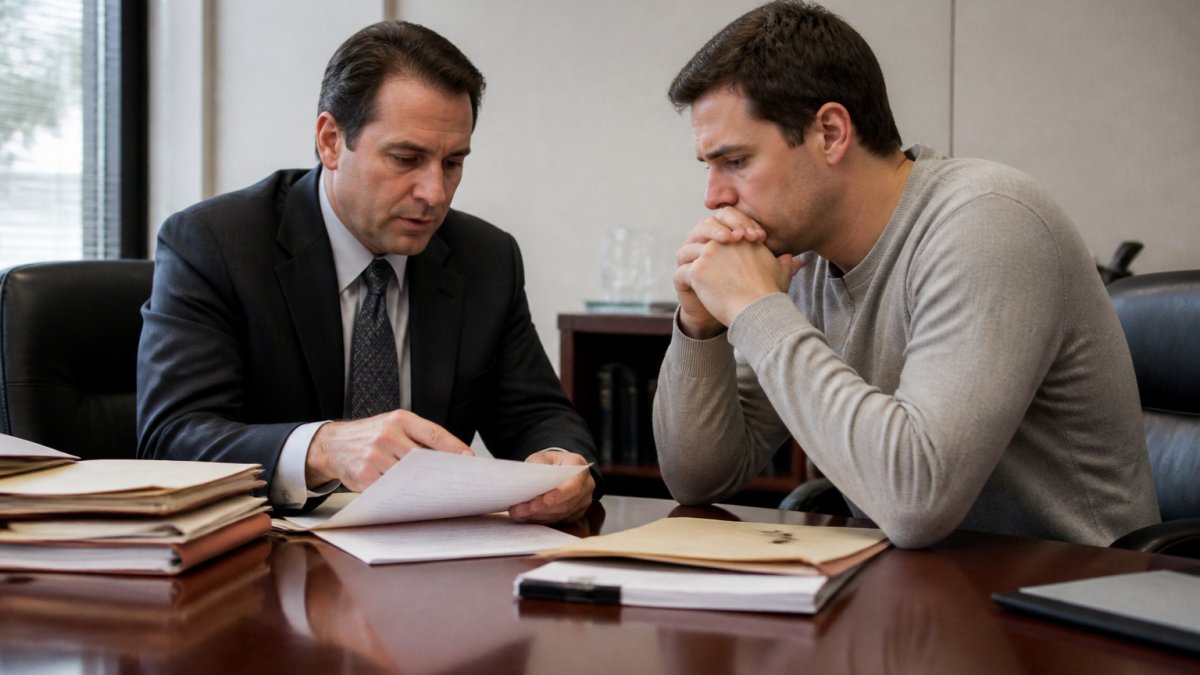
Plea deals are common. Juries decide only if the case goes to trial, and they may choose between murder, manslaughter, or acquittal depending on the instructions and evidence.
- Prosecutor discretion shapes the initial charge
- Plea negotiations can reduce the charge before trial
- Jury verdicts depend on the evidence and legal instructions
The charge that ends up on the record depends on who makes the decision and at what stage, as summarised below.
| Stage | Decision-maker | How a reduction happens |
|---|---|---|
| Charging | Prosecutor | Files manslaughter instead of murder, or adds a lesser count |
| Pre-trial | Prosecutor and defendant | Plea agreement dismisses the murder count |
| Trial | Jury | Verdict on a lesser included offense such as voluntary manslaughter |
| Judicial review | Judge | Can accept or reject a plea deal considered too lenient |
Manslaughter Plea Deals and What Happens After a Reduction
A reduction from murder to manslaughter changes the charge, but it does not end the case. Readers can learn how private counsel can shape a plea bargain and a reduced charge before accepting any terms. Manslaughter remains a serious felony in most circumstances, and the consequences after a reduction are where many defendants are surprised. This section covers what a manslaughter plea actually involves and what follows.
What a manslaughter plea deal typically contains
A plea agreement is more than a charge label. The written terms usually address:
- The charge: voluntary or involuntary manslaughter, and whether any enhancements apply
- The sentence: a agreed term, a range, or an open plea leaving sentencing to the judge
- Custody credit: credit for time served before the plea
- Dismissed counts: which murder or enhancement allegations are dropped
- Waivers: appeal rights, firearm rights, and other rights given up as part of the deal
The difference between a stipulated sentence and an open plea is significant. A stipulated sentence locks in the term; an open plea leaves the judge free to impose a sentence within the statutory range, which can be higher than the defendant expected.
Sentencing exposure after a reduction
Manslaughter sentencing ranges vary widely by state and by whether the conviction is voluntary or involuntary. In general terms:
- Voluntary manslaughter usually carries a shorter term than murder but can still result in years in prison, especially with enhancements or a prior record.
- Involuntary manslaughter often carries a lower range than voluntary manslaughter, but a reckless-conduct finding and aggravating facts can push the sentence upward.
- Enhancements, firearm, gang, vulnerable victim, or prior strike allegations, can add years regardless of the base charge.
Because the ranges are set by statute and adjusted by sentencing guidelines, no general article can give a reliable number. The controlling figures come from the jurisdiction's penal code and the sentencing rules in effect at the time of the plea.
Collateral consequences that survive the reduction
A felony manslaughter conviction carries consequences beyond the prison term:
- Loss of firearm rights under federal and state law
- Immigration consequences for non-citizens, including possible removal
- Employment and licensing restrictions, including professional licenses
- Voting and jury service limits in some states
- A permanent criminal record that appears in background checks
These consequences are often the reason a defendant should not treat a reduction as a pure win. They should be reviewed before the plea is entered, not after.
Questions to ask a defense attorney before accepting a reduction
A practical checklist for anyone facing a murder charge and considering a manslaughter plea:
- What is the maximum sentence under the agreement, and is the sentence stipulated or open?
- Which counts and enhancements are being dismissed, and are they dismissed with or without prejudice?
- What are the immigration consequences of this specific conviction?
- What appellate or post-conviction rights am I giving up?
- What happens if the judge rejects the plea?
- How does this conviction affect firearm rights, professional licensing, and future employment?
- Is there a factual basis requirement, and what facts will be placed on the record?
Urgent next steps
If you or a family member is facing a murder charge, the timeline matters. Evidence, witness memories, surveillance footage, phone data, and forensic samples, degrades quickly. Waiting until after a murder count is filed narrows the options.
Next Steps If You or a Family Member Faces a Murder Charge
Act quickly. Early legal representation can preserve evidence, challenge the charge, and open negotiations. Protect Your Rights with a Van Nuys Gang Crime Lawyer if the charge involves gang allegations, and review When Should You Hire a Murder Defense Attorney? to decide on timing.
Van Nuys Crime is ready to build a defense strategy. Request a Free Case Evaluation today.
Frequently Asked Questions
Can a murder charge be reduced to manslaughter?
Whether a murder charge can be reduced to manslaughter depends on the evidence, applicable law, and facts of the case. A criminal defense attorney can review the specific circumstances.
What is the difference between voluntary and involuntary manslaughter?
The definitions and consequences of voluntary and involuntary manslaughter depend on the applicable law. A criminal defense attorney can explain how the law applies to a specific case.
Does a manslaughter plea deal mean the case was weak?
A plea deal is a negotiated resolution, not a finding on the merits. Anyone considering a plea should discuss the agreement and its potential consequences with a defense attorney before deciding.