 how-to
How to Find Low Cost Criminal Defense Legal Aid
Table of Contents
- Start Here: Your First 5 Steps to Find Low Cost Criminal Defense Legal Aid
- Public Defender Eligibility Requirements: Who Qualifies and How to Apply
- What Is Pro Bono Representation and How Does It Differ from Legal Aid?
- Criminal Defense Payment Plans: How to Manage Attorney Fees
- Your Documentation Checklist for Low Cost Criminal Defense Legal Aid
- How to Represent Yourself (Pro Se) Safely When You Can't Afford an Attorney
- Warning Signs of Legal Aid Scams and How to Protect Yourself
- Conclusion: Taking the Next Step Toward Your Defense
- Frequently Asked Questions
Last Updated: October 3, 2026
Start Here: Your First 5 Steps to Find Low Cost Criminal Defense Legal Aid
According to the Legal Services Corporation's Justice Gap Report, 92% of civil legal problems faced by low-income Americans get no help or not enough help. If you or a family member is facing charges and can't afford a private lawyer, you need to know how to find low cost criminal defense legal aid fast.
Here's the hard truth most guides skip: criminal defense legal aid is not one program. It's a patchwork of public defenders, court-appointed attorneys, sliding-scale firms, and law school clinics. Each has its own rules.
So here are your first five steps:
- Ask about a public defender at your first court date
- Gather income proof before you apply
- Call your local bar association for a referral list
- Check law school clinics in your area
- Get a free case evaluation from a defense firm
Below, we break down each path, who qualifies, and what paperwork you'll need.
Public Defender Eligibility Requirements: Who Qualifies and How to Apply
Public defender eligibility requirements come down to one thing: your income. If you can't afford a private attorney, the court should appoint one for you.
Most courts use federal poverty guidelines as a starting point. But each jurisdiction sets its own limits. Some count your assets, not just your paycheck.
You'll likely qualify if you:
- Receive public benefits like SNAP or Medicaid
- Have no steady income or a very low one
- Own no property you could sell to pay a lawyer
- Already have a public defender on another case
You probably won't qualify if you own a home with equity, have savings, or earn a steady middle-class income.
How to Apply for a Public Defender
Applying takes minutes, but the timing matters.
You'll fill out an affidavit of indigency. This is a sworn form listing your income, debts, and assets.
Bring proof. Pay stubs, bank statements, and benefit letters all help. A judge reviews the form and decides.
If you're denied, you can ask for a hearing. You can also reapply if your situation changes.
What Is Pro Bono Representation and How Does It Differ from Legal Aid?
Pro bono representation is free legal work a private attorney volunteers to do.
Legal aid is different. Legal aid organizations are funded nonprofits that employ staff attorneys. They serve low-income clients as their main mission.
Here's the catch nobody tells you: most legal aid groups handle civil cases only. Evictions, benefits, family law.
Pro bono is where criminal help shows up. The American Bar Association's pro bono program matches low-income clients with volunteer lawyers for brief legal answers.
| Program Type | Cost | Handles Criminal Cases? | Best For |
|---|---|---|---|
| Public defender | Free | Yes | Anyone who qualifies by income |
| Legal aid society | Free | Rarely | Civil matters only |
| Pro bono attorney | Free | Sometimes | Brief advice or limited cases |
| Sliding-scale firm | Reduced fee | Yes | Those who earn too much for free help |
The honest downside: pro bono slots are limited. Demand far outstrips supply. Apply early.
Criminal Defense Payment Plans: How to Manage Attorney Fees
Criminal defense payment plans let you pay a private attorney over time instead of all at once. The two structures you'll see most often are flat fee (one price for the whole case through plea or dismissal) and hourly (you're billed for each hour the attorney and staff spend).
Ask five questions before you sign anything:
- What's the total flat fee for my case, and what does it include?
- How much is due up front as a retainer?
- What happens if the case goes to trial, is that a separate fee?
- Are there costs billed on top of the fee (investigators, expert witnesses, filing fees, transcripts)?
- What's the refund policy if I fire the attorney or the case is dismissed?
Trials cost more than plea negotiations. Get that in writing. A common pattern is a flat fee that covers everything up to a plea, with a separate trial fee quoted in the agreement. If the agreement doesn't say, ask for it in writing before you pay.
The Sliding Scale Fee Structure Explained
A sliding scale means your fee drops as your income drops. Some nonprofit firms, bar association programs, and legal incubators use this model.
Here's how the mechanism actually works. You submit proof of income, usually the same packet you'd give a public defender.
You can negotiate. Sliding-scale programs are not set in stone, and many have discretion to adjust based on:
- Dependents. More children in the household usually lowers your tier.
- Fixed expenses. High rent, medical bills, or court-ordered support can push you down a tier.
- Assets vs. income. A household with low income but a paid-off car is treated differently than one with the same income and a car loan.
- Hardship. Recent job loss, disability, or a medical emergency is a legitimate reason to ask for a lower tier.
When you call, use plain language. A script that works: *"I'm facing a criminal charge and I can't afford standard rates.
Request a Free Case Evaluation →
If a firm won't discuss a sliding scale or limited scope, ask your local bar association for a referral list of attorneys who do. Bar associations often maintain lists of lawyers who accept reduced-fee cases, and some run their own modest-means programs.
Your Documentation Checklist for Low Cost Criminal Defense Legal Aid
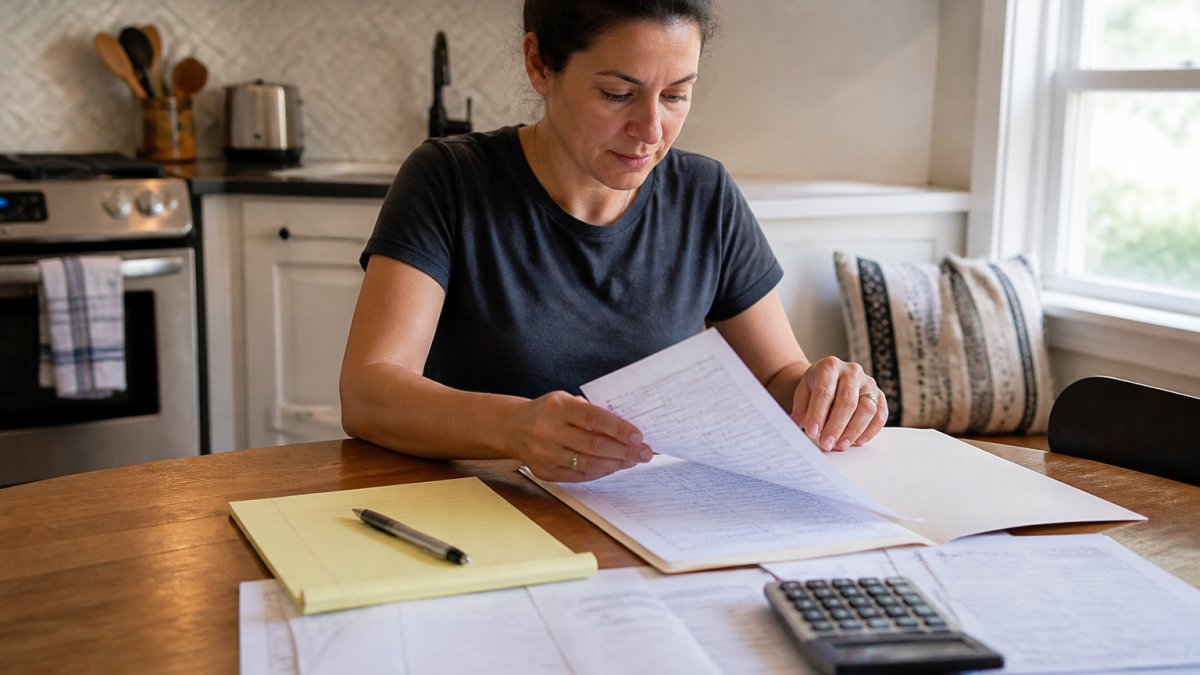
- Recent pay stubs (last 30-60 days)
- Bank statements for all accounts
- Benefit award letters (SNAP, Medicaid, disability)
- Proof of rent or mortgage payment
Make copies. Keep one set for yourself.
If you're applying for a public defender, this same packet supports your affidavit of indigency. If you're negotiating a payment plan, it proves your hardship. Either way, documentation is use.
How to Represent Yourself (Pro Se) Safely When You Can't Afford an Attorney
Representing yourself pro se means acting as your own attorney. It's your right, but it's risky in criminal court.
Do it only in narrow situations:
- Minor infractions with small fines
- Traffic matters
- Continuances to buy time to hire counsel
Never go pro se on a felony. The stakes are too high. Prison time, a permanent record, and lost rights follow a conviction.
If you must appear alone, do this:
- Request a continuance to find counsel
- Ask the clerk for forms and deadlines
- Never miss a date
- Say "I reserve my right to counsel" if questioned
A judge may warn you that self-representation is unwise. Take that warning seriously.
Warning Signs of Legal Aid Scams and How to Protect Yourself
Scam artists target people in legal trouble because they're desperate and rushed. The Federal Trade Commission has repeatedly warned about imposters posing as lawyers, fake "legal aid" call centers, and services that charge fees for forms you can get free from the court.
Walk away if someone:
- Demands full payment in cash upfront, before any work is done
- Promises a guaranteed dismissal, dropped charges, or a specific outcome
- Claims special "connections" to judges, prosecutors, or court staff
- Won't give a written fee agreement or retainer letter
- Pressures you to decide in minutes or threatens that "the offer expires today"
- Asks for payment by gift card, wire transfer, cryptocurrency, or payment app to a personal account
Real attorneys give written agreements. They explain risks honestly. They never promise outcomes. A legitimate fee agreement names the attorney, states the scope of work, lists the fee and costs, and explains how the retainer is held and refunded.
How to Verify an Attorney in Two Minutes
Every licensed attorney is listed with a state bar. Search your state bar's online directory by name or bar number. The listing shows license status, any public discipline, and the address on file. It's free.
You can also check the National Association of Consumer Advocates and your state's consumer protection office for complaints. The FTC's consumer complaint portal accepts reports of legal services scams, and your state attorney general's office typically has a consumer protection division that does the same.
What Legitimate Free and Low-Cost Help Looks Like
Real help comes through named organizations with verifiable addresses and staff attorneys. Legal aid societies, public defender offices, bar association pro bono programs, and law school clinics all operate in the open. They don't cold-call you. They don't ask for gift cards.
If you're not sure whether a program is real, call your local bar association or the court clerk's office and ask. The Legal Services Corporation maintains a directory of legitimate legal aid providers by state, and the American Bar Association hosts a national pro bono and legal aid resource page.
Conclusion: Taking the Next Step Toward Your Defense
The system is stacked against people who can't afford a lawyer. But the paths above, public defenders, pro bono programs, sliding-scale firms, and payment plans, exist for a reason.
The worst move is waiting. Charges don't pause while you research options.
Van Nuys Crime offers a free case evaluation to walk you through exactly what you're facing.
Get started with Van Nuys Crime and protect your future, your freedom, and your record.
Frequently Asked Questions
What should I do if I can't afford a defense attorney?
If you cannot afford a private attorney, you have several options. First, request a public defender at your initial court appearance; if you qualify based on income and assets, one will be appointed. You can also contact your local bar association for a referral to a reduced-fee or sliding-scale attorney, or apply for help through a legal aid society. Pro bono programs and law school clinics may also provide free representation. The key is to act quickly and explore all avenues before your next court date.
What are the public defender eligibility requirements?
Public defender eligibility requirements vary by jurisdiction but generally depend on your income, assets, and the seriousness of the charges. You'll typically need to complete an affidavit of indigency, swearing under oath that you cannot afford an attorney. Courts consider factors like your employment, bank accounts, property, and dependents. If your income falls below a certain threshold, you qualify. Even if you're unsure, it's worth applying; the judge makes the final determination.
Are there payment plan options for criminal defense attorneys?
Yes, many criminal defense attorneys offer criminal defense payment plans to make representation more affordable. These plans typically require a down payment followed by monthly installments. Some firms also offer sliding scale fees based on your income. It's important to discuss payment options during your initial consultation. Be upfront about your financial situation; many attorneys are willing to work with you. Always get the payment terms in writing to avoid misunderstandings.
How can I find local bar association referral programs?
To find local bar association referral programs, start by contacting your state or county bar association. Many offer online directories or phone hotlines that connect you with attorneys who handle criminal defense on a reduced-fee or sliding-scale basis. The American Bar Association also maintains a pro bono program that matches low-income clients with volunteer lawyers for brief legal answers. Additionally, law school clinics and legal aid societies can provide referrals. Always verify the program's legitimacy before sharing personal information.