 How-to
Public Defender Eligibility: How the Process Is Determined
Last Updated: November 22, 2026
Quick Summary
Public defender eligibility is determined by a financial screening that weighs your income, assets, household size, and the type of case against local guidelines, usually with a judge or court commissioner making the final call. Each court sets its own process, so the same facts can produce different results in two different courthouses.
- Most courts look at income, savings and property, household size, and the charges you face.
- Many courts compare household income to federal poverty guidelines, while others set their own income limit.
- Spousal income usually counts even if your spouse is not charged, and shared assets count too.
- You apply by requesting counsel at your first court appearance or through your court's online application.
- If found ineligible, the judge typically gives you two to four weeks to hire private counsel or represent yourself.
Table of Contents
- How Is Public Defender Eligibility Determined?
- Public Defender Eligibility Requirements: Income, Assets, and Household Size
- How to Apply for a Public Defender Online or at Your First Appearance
- Public Defender Application Documents to Gather Before Your Screening
- What Happens If You Do Not Qualify for a Public Defender
- Why Eligibility Rules Vary by Jurisdiction, Court, and Case Type
- Urgent Hearings, Custody, and Temporary Representation
- Request a Free Case Evaluation Before Your Eligibility Interview
- Frequently Asked Questions
How Is Public Defender Eligibility Determined?
Public defender eligibility is determined by a financial screening that weighs your income, assets, household size, and the type of case against local guidelines, usually with a judge or court commissioner making the final call.
The rules are not uniform. Each court sets its own process, and the same facts can produce different results in two different courthouses.
Below, we break down how the screening works, what documents you need, and what to do if you are turned down.
Public Defender Eligibility Requirements: Income, Assets, and Household Size
Most courts look at four things: your income, your savings and property, how many people live in your home, and the charges you face. No single factor decides the outcome on its own.
Income and Federal Poverty Guidelines
Many courts compare your household income to the federal poverty guidelines. Check your court's website for the specific income limit it applies. Others set their own income limit.
Bring proof of every income source. Pay stubs, unemployment letters, and benefit statements all count. If your income changes month to month, say so at the interview.
Assets, Savings, and Property
Cash in the bank, investments, and property all factor in. So does equity in a home or car. Rules on whether a vehicle or home counts as an asset vary by court, so ask the screener how your property will be treated.
Be honest here. Hiding an account is a fast way to lose eligibility and damage your credibility with the court.
Household Size, Spousal Income, and Debt
Your household size affects the income limit that applies to you. A larger household generally affects the income limit that applies to you.
Spousal income usually counts, even if your spouse is not charged. So do shared assets. On the other side, courts may consider fixed debts like rent, child support, and medical bills when judging your ability to pay.
A common mistake is leaving a spouse's income off the form. That omission can sink an otherwise valid application.
How to Apply for a Public Defender Online or at Your First Appearance
You apply by requesting counsel at your first court appearance, or through your court's online application if it offers one. The judge or court commissioner then reviews your financial information.
Here is the usual sequence, with what to expect at each stage:
- Request a public defender when you appear before the judge. Say the words clearly: "I am requesting appointed counsel." The judge will typically pause the case and refer you to the defender office or a court screener.
- Complete the financial statement form the court provides. This is typically an affidavit asking for income, assets, household members, and monthly expenses. Fill it out completely, blank fields are the most common reason a screening gets kicked back.
- Attend a short eligibility interview with a screener. Expect questions about your pay, bank balances, who lives with you, and what you pay for rent, childcare, and support. The screener may ask to see your documents on the spot.
- Wait for the court's decision. Some courts decide the same day; others take a few business days, especially if your paperwork needs verification. Ask the clerk how you will be notified.
- Get assigned counsel if you qualify. You will be told which attorney or defender office is appointed and when to next appear.
Some courts let you apply before your hearing date. Check your court's website for an online form or a printable affidavit you can bring with you.
If you are heading to court soon, it helps to know what happens at an arraignment in Van Nuys Courthouse before you stand before the judge. For readers seeking free representation, we also outline free criminal defense legal aid steps in the San Fernando Valley.
Watch out: do not assume a pending application pauses your case. Ask the judge to continue the matter until the eligibility decision is made, or request temporary counsel if a hearing is close.
Here is the usual sequence for requesting and receiving appointed counsel.
| Step | What to do | Timing or note |
|---|---|---|
| 1 | Request appointed counsel before the judge | Judge pauses case and refers you |
| 2 | Complete the court's financial statement form | Blank fields commonly cause kickbacks |
| 3 | Attend short eligibility interview with a screener | Documents may be requested on the spot |
| 4 | Wait for the court's decision | Same day or a few business days |
| 5 | Get assigned counsel if you qualify | Told which attorney and when to appear |
Public Defender Application Documents to Gather Before Your Screening
Bring documents that prove your income, your expenses, and your household. Missing paperwork is the most common reason a screening gets delayed.
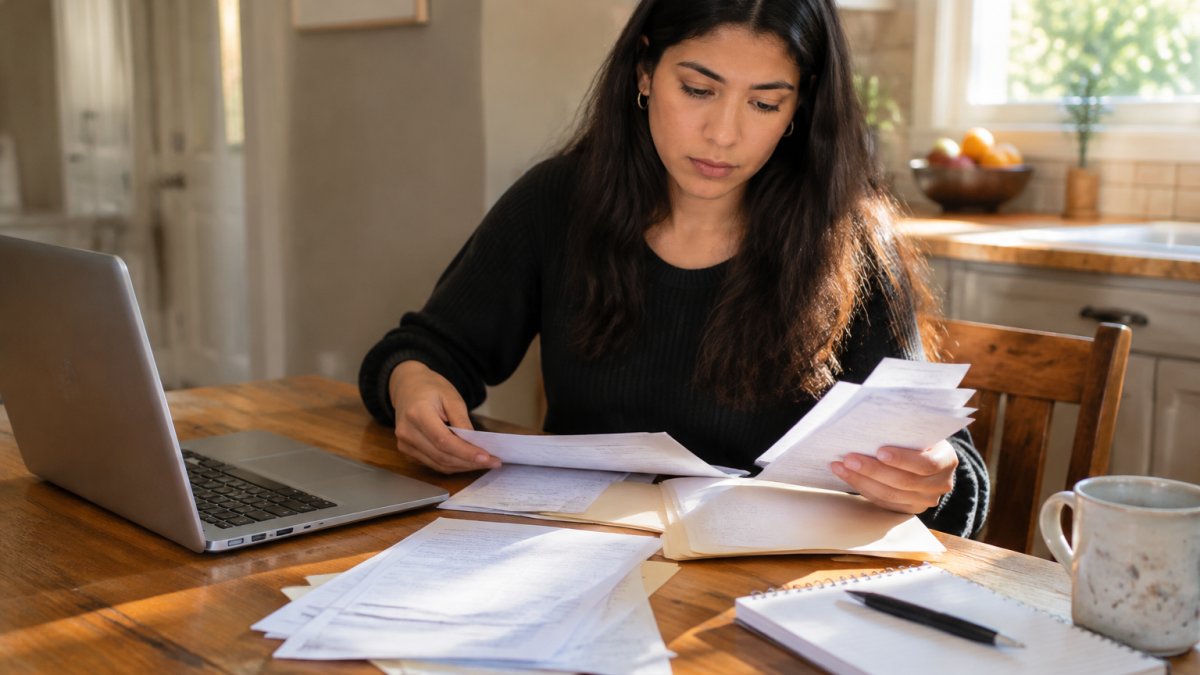
Use this checklist:
- Recent pay stubs or a letter from your employer
- Unemployment, disability, or benefit award letters
- Last two months of bank statements
- Recent tax return, if you file
- Lease or mortgage statement
- Utility bills and other fixed expenses
- Child support or alimony orders
- Proof of household size, such as a lease or birth certificates
- Identification and your case number
Keep copies for yourself. You may need them again if your finances change.
What Happens If You Do Not Qualify for a Public Defender
If the court finds you ineligible, you must hire private counsel or represent yourself. The judge will typically give you a short time, often two to four weeks, to do so, and will set a status date to confirm you have counsel.
Do not panic. You have options, and each has a real process behind it:
- Ask the court to reconsider. If the screener misread your income, counted a household member incorrectly, or ignored a fixed expense, you can ask the judge to review the decision. Bring the documents that correct the record, pay stubs, a lease showing who lives with you, or proof of a support order. Ask the clerk whether your court has a formal reconsideration form or handles requests at the next appearance.
- Appeal where available. A few jurisdictions let you challenge an eligibility denial through a written motion or a short hearing before a different judge or commissioner. Ask the clerk whether your court has an appeal process for indigency determinations, and note the deadline, which is typically short.
- Reapply later if your finances change. If you lose a job, take a pay cut, or face a new fixed expense like childcare or medical bills, you can submit a new application. Courts generally treat a change in circumstances as a fresh screening, not a second chance at the same facts.
- Hire a private attorney, sometimes for a flat fee or payment plan. Ask private defense lawyers about fee structures, including any flat-fee or payment-plan options. Ask about a limited-scope engagement if you only need help at a specific hearing.
- Request a continuance to sort out representation. A short delay is almost always better than appearing without counsel.
If you are weighing your choices, our comparison of private attorneys versus public defenders in Van Nuys lays out the trade-offs. A private lawyer can review the prosecution's case early and look for weaknesses before charges move forward.
Watch out: skipping your next court date after a denial can lead to a bench warrant. Show up, even if you have not hired counsel yet, and tell the judge you are still working on representation.
Why Eligibility Rules Vary by Jurisdiction, Court, and Case Type
Eligibility rules differ because each court sets its own screening process. The National Public Defense Workload Study found that public defense systems face heavy caseloads, and local courts handle screening differently to manage them.
Some courts list specific factors. Others rely on a financial interview.
Case type matters too. The type of charge can influence how a court reviews a case, and you should ask your attorney or the court how your charge is handled.
The takeaway: ask the court in your jurisdiction what it requires. Do not assume another county's rules apply to you.
Urgent Hearings, Custody, and Temporary Representation
If you have a hearing in the next day or two, tell the court you need counsel now. Ask the judge whether temporary counsel can be appointed while your application is reviewed.
This matters most when you are in custody. A temporary defender can appear at your first hearing, request bail review, and keep the case from moving without you.
If you are facing an imminent hearing, our guide on what to expect at your Van Nuys arraignment explains how temporary counsel fits into the process.
Watch out: never waive your right to counsel to "speed things up." That decision can follow you through the entire case.
Request a Free Case Evaluation Before Your Eligibility Interview
Before you sit for a screening, it helps to know where you stand. If you are unsure whether to hire counsel, read how to decide if a private criminal attorney is right for you.
Van Nuys Crime offers a free case evaluation. Contact the firm to learn what a consultation covers and to discuss your situation.
The eligibility process can feel stacked against you, especially when you are already worried about the charges. You do not have to sort through it alone. Van Nuys Crime offers personalized representation, aggressive defense strategies, and direct communication from your first call, so you always know where your case stands.
Frequently Asked Questions
Can you qualify for a public defender if you are employed?
Yes. Having a job does not automatically disqualify you. Screeners look at your household income against the applicable federal poverty guidelines, then weigh assets, household size, and current obligations. A defendant working full time but supporting several family members may still fall under the income limit. Because the threshold and the factors considered differ by jurisdiction, bring recent pay stubs and a written list of monthly expenses to the eligibility interview so the screener sees the whole picture rather than just a wage figure.
What financial information do you need to apply for a public defender?
Expect to document income, assets, and obligations. Useful records include recent pay stubs, the prior year's tax return, bank and investment statements, proof of benefits such as unemployment or disability, a lease or mortgage statement, and bills for child support, medical costs, or other debts. If a spouse or partner contributes to the household, their income and assets may be requested too. Bring originals and copies. Missing paperwork is one of the most common reasons a screening decision gets delayed.
What can you do if your application for a public defender is denied?
Ask the court how to request a review of the eligibility decision, and do it promptly, since deadlines are short. Some jurisdictions allow you to submit additional financial information or appear before a judge or court commissioner to explain circumstances the screener did not see. If you are found ineligible, you can hire private counsel or ask about other options the court recognizes. A defense attorney can also review whether the denial applied the correct standard to your household finances.
Does a public defender eligibility review consider household expenses?
Many screening processes do. Screening processes commonly consider income, assets, household size, and case type. Because the weights placed on rent, childcare, medical bills, and debt vary by jurisdiction, present those costs in writing with supporting documents. The screener is deciding whether you can afford counsel, not just whether you earn a paycheck.