 comparison
Private Attorney vs Public Defender: A Van Nuys Comparison
Table of Contents
- What Is a Public Defender vs. a Private Criminal Defense Attorney
- Public Defender Eligibility and the California Appointment Process
- Comparison Table: Key Differences at a Glance
- Private Criminal Defense Attorney Cost and Fee Structures
- Caseload, Client Communication, and Time Devoted to Your Case
- Switching from Public Defender to Private Attorney: What You Need to Know
- Questions to Ask a Criminal Defense Attorney Before Hiring
- How to Evaluate Representation Beyond Caseload
- Frequently Asked Questions
Last Updated: October 8, 2026
What Is a Public Defender vs. a Private Criminal Defense Attorney
When facing criminal charges, understanding the difference between a public defender and a private criminal defense attorney is essential. A public defender is a court-appointed attorney provided by the government to represent defendants who cannot afford private legal counsel, while a private criminal defense attorney is a lawyer you hire directly. Public defenders work for the state or county at no cost to indigent defendants; private attorneys operate independently or within firms and charge fees. Both are licensed in criminal law but operate under different constraints and incentives.
The choice between public defender and private attorney representation isn't simply about cost, it involves trade-offs in caseload, availability, resources, and courtroom experience. According to Bureau of Justice Statistics research on Defense Counsel in Criminal Cases, defendants represented by private attorneys showed higher jail release rates compared to those with court-appointed counsel, though this statistic alone doesn't capture the full picture of representation quality.
Public Defender Eligibility and the California Appointment Process
In California, the right to appointed counsel comes from the Sixth Amendment, Article I, Section 15 of the California Constitution, and Penal Code sections 987 and 987.2.
What happens after you request counsel. If eligible, the court appoints either the county Public Defender's Office or a contracted alternative defender, usually immediately at arraignment so counsel can enter a plea, request bail review, and set dates.
Conflicts of interest and the alternate panel. A Public Defender's Office cannot represent two defendants whose interests conflict, co-defendants in the same alleged crime, or a defendant and a witness the office already represents.
What to bring to your first appearance. Pay stubs or proof of income, recent bank statements, rent or mortgage documentation, proof of dependents, and evidence of unusual expenses (medical bills, caregiving costs).
Where local practice matters. Courthouses handle the eligibility interview differently, some in the courtroom, some at a separate window or interview room before the calendar is called. Confirm the procedure with the clerk before your appearance date so you do not miss the interview and get continued.
Comparison Table: Key Differences at a Glance
| Factor | Public Defender | Private Criminal Defense Attorney |
|---|---|---|
| Cost to You | Free (if eligible) | Varies; requires retainer or fee agreement |
| How Selected | Court-appointed based on availability | You hire directly |
| Typical Caseload | 100-300+ active cases per attorney | 20-50 cases (varies by firm) |
| Case Preparation Time | Limited by workload | More time per case |
| Office Resources | Government-funded; may be limited | Firm resources; investigator access varies |
| Client Communication | Scheduled appointments; less frequent | Direct line; more accessible |
| Trial Experience | Often extensive | Varies; some focus on negotiation |
| Specialization | General criminal defense | Often specialized by crime type |
Private Criminal Defense Attorney Cost and Fee Structures
Private criminal defense pricing is not published like a menu.
Flat fee. One number for the entire representation through a defined stage (for example, through preliminary hearing or trial). Common for misdemeanors, DUI, and straightforward felonies.
Hourly billing. Common in complex felonies, white-collar matters, and cases with extensive investigation. The attorney bills for time spent, court appearances, research, client meetings, discovery review, drafting motions.
Retainer. An upfront payment that secures the attorney's availability and is credited against future work. In criminal defense, 'retainer' often loosely means the initial deposit on a flat fee or hourly engagement.
What drives the number up or down. Charge severity is the biggest factor, a misdemeanor DUI and a felony with a strike allegation are not comparable engagements.
Costs that are usually separate from the fee. Investigators, expert witnesses, court reporters, filing fees, and travel are often billed as costs on top of the fee.
Payment plans and financing. Many firms offer installment plans, and some clients use third-party litigation financing.
Questions to ask before signing.
- Is this a flat fee, hourly, or a hybrid? What stage does it cover?
- What is not included (trial, motions, experts, appeals)?
- Are investigator and expert costs included or billed separately?
- Is the deposit refundable, and under what conditions?
- What happens if the case resolves early, is any portion refunded?
- Will the quoted attorney personally handle the case, or will associates or contract counsel appear?
- Are there any additional fees for court appearances beyond a set number?
A note on 'you get what you pay for.' The lowest quote is not automatically the worst choice, and the highest is not automatically the best. What matters is whether the fee matches the work the case requires. A simple misdemeanor may not need a five-figure engagement; a serious felony with complex evidence usually does. Compare quotes against the scope of work each attorney describes, not just the bottom-line number.
Caseload, Client Communication, and Time Devoted to Your Case
Public defenders manage significantly larger caseloads than private attorneys. Van Nuys Crime research on public defender workload indicates that public defenders typically carry 100-300 or more active cases simultaneously.
With such heavy caseloads, public defenders often have limited time for in-depth investigation, client meetings, or trial preparation. Communication may be infrequent, you might speak to your attorney only at scheduled court dates or when you initiate contact.
Private attorneys typically carry 20-50 cases, allowing more focused attention.
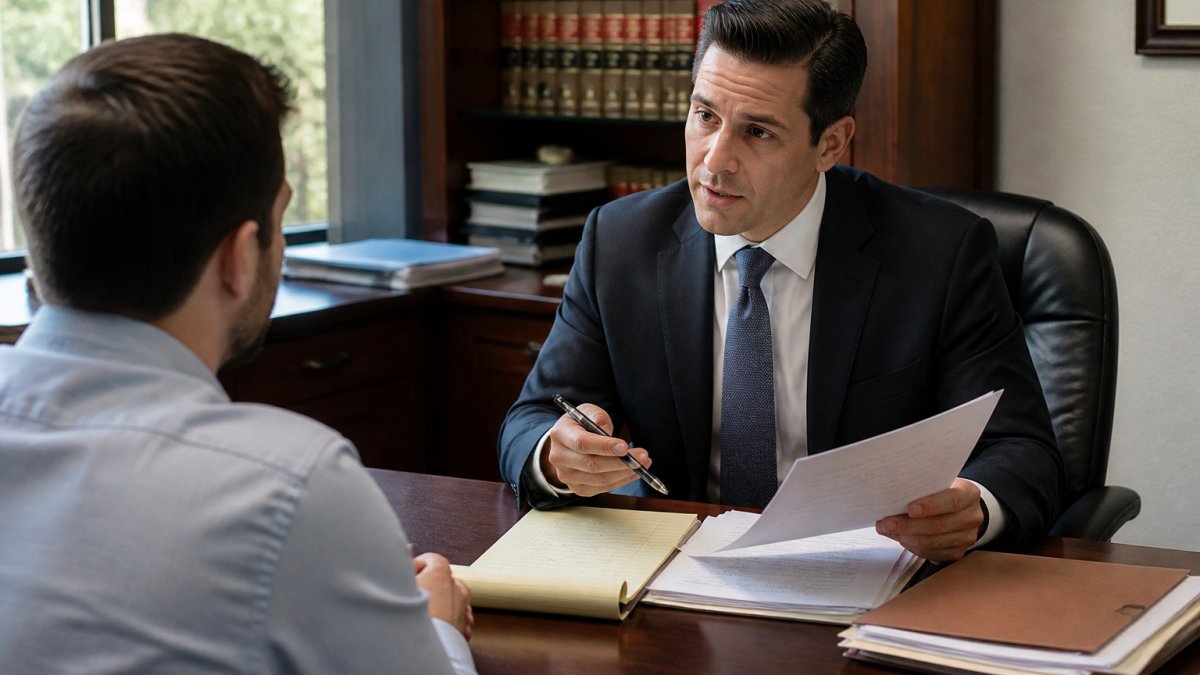
The communication difference becomes critical when decisions must be made quickly, plea negotiations, witness statements, or evidence discovery. With a private attorney, you can discuss options in real time; with a public defender, scheduling a meeting may take weeks.
Switching from Public Defender to Private Attorney: What You Need to Know
You have the right to switch from a court-appointed public defender to a private attorney at any point. This is your choice, and the court cannot prevent you from hiring private counsel.
Request a Free Case Evaluation →
The process is straightforward: hire your private attorney, inform the court, and the public defender withdraws. Timing matters, though. Switching early, before significant work is done, is simpler. Switching mid-case means your private attorney must review all existing materials, which takes time and may delay proceedings.
When you switch, ensure a clear handoff of all case documents, discovery materials, and prior communications with the public defender, your new attorney needs complete information to avoid duplicating work or missing deadlines. Switching mid-case means starting fresh with an attorney who must quickly get up to speed.
At Van Nuys Crime, we understand that clients sometimes begin with a public defender and later seek private representation. We're prepared to take over cases mid-stream, thoroughly review prior work, and implement a defense strategy tailored to your charges and circumstances.
Questions to Ask a Criminal Defense Attorney Before Hiring
Before hiring a private attorney, ask these questions to evaluate whether they're the right fit for your case:
Experience and Specialization
- How many cases similar to mine have you handled?
- What's your trial record in cases like mine?
- Do you have experience in the Van Nuys courthouse specifically?
Case Strategy and Communication
- What's your initial assessment of my case based on the charges?
- How will you investigate the prosecution's evidence?
- How often will we communicate, and how can I reach you?
Fees and Costs
- What's your retainer, and what does it cover?
- Are there additional costs for investigators, experts, or discovery?
- Do you offer payment plans?
Availability and Resources
- Will you personally handle my case, or will associates be involved?
- Do you have investigators on staff or use outside firms?
- Are you prepared to take this to trial if necessary?
These questions reveal whether an attorney has genuine expertise, understands your specific situation, and can dedicate the resources your case requires. Don't settle for vague answers, a good attorney will give you concrete details.
How to Evaluate Representation Beyond Caseload
Caseload matters, but it's not the only measure of representation quality. Evaluate attorneys, public or private, on these additional factors:
Courtroom Experience Does the attorney have actual trial experience in your jurisdiction? An attorney with 500 cases but minimal trial experience may be weaker than one with 100 cases and 30 trials. Ask how many cases went to trial and what the outcomes were.
Investigation and Evidence Review Will the attorney thoroughly challenge the prosecution's evidence? Do they have investigators who can identify weaknesses in police reports, interview witnesses, and find exculpatory evidence?
Local Courthouse Knowledge Attorneys familiar with specific judges, prosecutors, and local procedures have an advantage.
Client Testimonials and Track Record For private attorneys, read client reviews. For public defenders, you can't choose your attorney, but you can research the office's reputation and track record in your jurisdiction.
Willingness to Challenge The best representation comes from attorneys who aren't afraid to challenge weak prosecution cases, file motions, and go to trial if necessary. Some default to plea deals because they're easier.
The choice between a private attorney vs public defender is one of the most important decisions you'll make when facing criminal charges.
If you're facing serious criminal charges in the Van Nuys area, experienced criminal defense representation can significantly impact your case outcome.
Frequently Asked Questions
Is it better to have a private attorney or a public defender?
Neither option is universally better, it depends on your specific case and circumstances. According to the Bureau of Justice Statistics, defendants with private counsel had higher jail-release rates than those with court-appointed counsel, but this difference does not account for case complexity or defendant background. Public defenders can be excellent lawyers with substantial trial experience. The best choice depends on your ability to afford private representation, the complexity of your charges, and the specific attorney's qualifications and courtroom experience in your jurisdiction.
Who qualifies for a public defender under California law?
In California, you qualify for a court-appointed public defender if you are charged with a crime and cannot afford to hire a private criminal defense attorney. The court evaluates your financial eligibility based on income and assets. You must complete a financial declaration form to determine qualification. If you are arrested, you have the right to request appointed counsel at your first court appearance. Eligibility standards vary by county and are reassessed throughout your case.
What is the main difference in private criminal defense attorney cost compared to public defense?
Public defenders are provided at no cost to eligible defendants as part of the public defense system. Private attorneys charge fees that vary based on case complexity, attorney experience, and whether they work on a flat-fee, hourly, or retainer basis. Serious felony cases typically cost significantly more than misdemeanor cases. Payment plans and retainer agreements are common. For accurate pricing, consult directly with private defense firms in your area, as costs vary widely based on the attorney's experience and your case specifics.
Can I switch from a public defender to a private attorney during my case?
Yes, you can switch from a public defender to a private attorney at any stage of your case, though the timing affects case continuity and strategy. You must formally request to waive your public defender and notify the court of your private counsel. Switching late in the process may require your new attorney to get up to speed on discovery, motions, and strategy already in motion. Discuss the timing and implications with both your current public defender and prospective private attorney to minimize disruption to your defense.
What should I ask a criminal defense attorney before hiring them?
Ask about their experience with cases similar to yours, their trial-ready capability, how they communicate with clients, their fee structure and payment terms, and their strategy for your specific charges. Inquire about their courtroom relationships and track record in your jurisdiction. Ask how they investigate cases and whether they work with expert witnesses. Understand their availability and how often you can expect contact. A qualified attorney should answer these questions clearly and help you understand the realistic outcomes for your case.