 how-to
What to Expect at Your Van Nuys Arraignment
Table of Contents
- Understanding Your Van Nuys Arraignment
- What to Bring to an Arraignment
- The Step-by-Step Arraignment Process
- How Long Does an Arraignment Take
- What Happens If You Plead Not Guilty at Arraignment
- Can You Go to Jail After Arraignment
- Preparing for Your Court Date
- Frequently Asked Questions
Last Updated: October 6, 2026
Understanding Your Van Nuys Arraignment
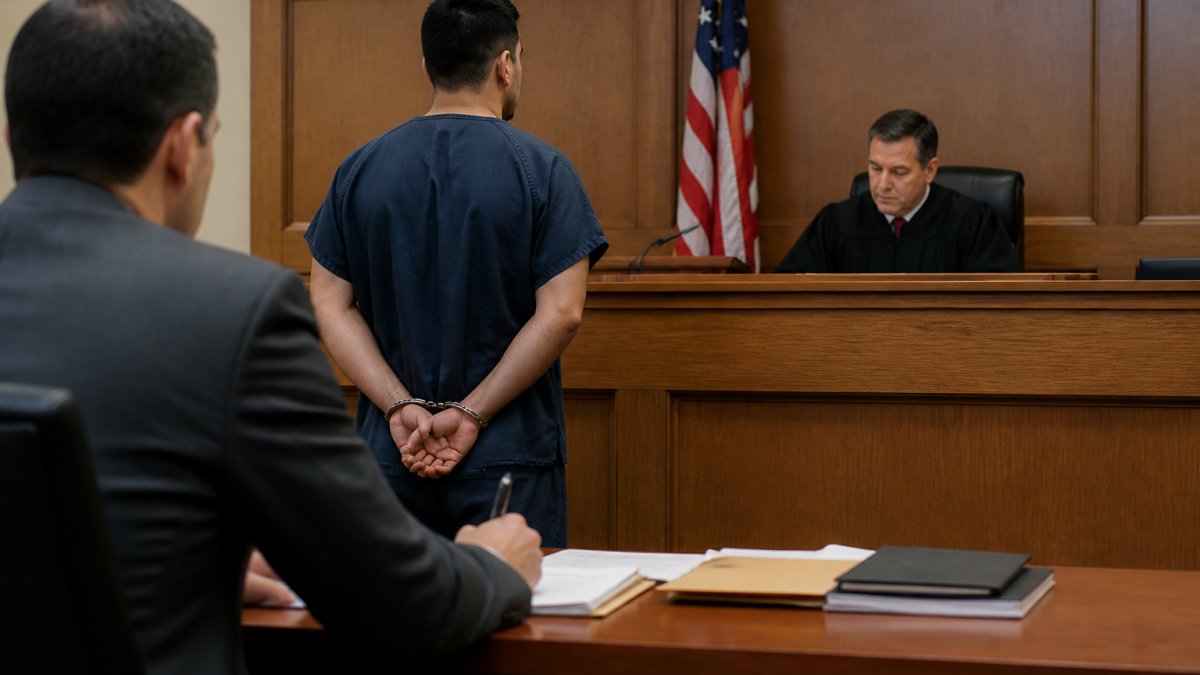
A Van Nuys arraignment is your first court appearance after arrest. The judge reads the charges, explains your rights, takes your plea, and sets bail.
This is a critical moment that affects everything that follows. Preparation can change outcomes.
The arraignment typically happens within 72 hours of arrest. You'll stand before a judge in a formal courtroom, with a prosecutor present and your attorney beside you if you have one.
Feeling confused and scared is normal. Understanding what's about to happen removes some of that fear.
What to Bring to an Arraignment
Most of the practical stress of an arraignment is logistics, not law. The hearing is short; getting to the right courtroom on time, through security, and ready to check in is where people stumble.
Confirm the courthouse and courtroom first. Arraignments are assigned to a specific courthouse and department based on the charges, filing agency, and custody status. Do not assume the address on your citation or release paperwork is the arraignment location. Confirm it in three places:
- The court's online case lookup, using your case number or your name and date of birth.
- The phone number printed on your citation, release paperwork, or court notice.
- Your attorney's office, which can pull the calendar entry directly.
If those sources disagree, trust the court's case lookup and call the clerk. Courtroom assignments can change the morning of the hearing, so re-check the night before and again before you leave.
What to bring:
- Government-issued photo ID, or anything with your name and date of birth.
- Your citation, release paperwork, court notice, or paperwork from your attorney.
- A pen and small notepad (ask before taking notes).
- Your attorney's name and phone number, written down.
- Names and phone numbers of two or three people who can speak to your community ties.
- Release documentation: proof of employment, lease or mortgage statement, recent pay stubs, proof of enrollment, and treatment or program records.
- A realistic sense of what you can pay for bail and who could post it. Do not carry large amounts of cash into the courthouse.
What to leave at home or in the car:
- Weapons of any kind, including pocket knives and anything that could be treated as one.
- Drugs, paraphernalia, or anything illegal.
- Anything that could be mistaken for a weapon or contraband during screening.
Security screening and arrival timing. Every courthouse runs a metal detector and bag screening, with the longest lines in the morning and after lunch. Arrive at least 45 to 60 minutes early, a missed calendar call can mean a bench warrant.
Parking and transportation. Courthouse parking fills early and street parking is limited. Budget extra time for a structure, or use a rideshare or public transit. If someone drives you, have them drop you at the main entrance.
What to wear. Clean, conservative clothing: collared shirt or blouse, slacks or a skirt, closed-toe shoes. Avoid logos, graphics, hats, and sunglasses so the judge's first impression is neutral-to-positive.
Who to bring. One supportive adult is usually fine. Avoid bringing children, and do not bring anyone with an open case, active warrant, or recent criminal conviction, it can create problems for them and for you.
The Step-by-Step Arraignment Process
An arraignment follows a predictable sequence, though details vary depending on custody status and whether you have an attorney. This walkthrough covers arrival through leaving the building.
Before the hearing: check-in.
If you are out of custody, check in at the courtroom or department's calendar window with your name and case number ready.
If you are in custody, you do not check in. Bailiffs bring you from the holding area, and your attorney will already know you are on the calendar.
Step 1: Calendar call.
The judge or clerk calls the calendar, the list of cases for that session. When your name is called, stand and state your name clearly.
Step 2: Identity confirmation.
The judge confirms your name, date of birth, and sometimes your address. If English is not your first language, tell the judge, an interpreter is provided at no cost (Executive Office for Immigration Review | 3.10 - Interpreters).
Step 3: Reading of the charges and advisement of rights.
The judge reads the charges and potential penalties and advises you of your rights: to remain silent, to an attorney, to a trial, and to confront witnesses. Many courtrooms read a standard advisement to the whole calendar at once.
Step 4: Arraignment on the complaint.
This is the formal moment when charges are presented and you enter a plea. Your options: guilty, not guilty, or no contest (nolo contendere).
- Not guilty. The most common plea. It does not claim innocence; it puts the prosecution to its burden of proof and preserves every option, negotiation, motions, and trial.
- Guilty. Ends the case and moves to sentencing. Only enter it after discussing consequences with an attorney, including immigration, employment, and licensing effects.
- No contest. You do not admit guilt but accept the consequences, treated similarly to a guilty plea for sentencing. Uncommon at arraignment; enter only on advice of counsel.
If you are not ready to plead, for example, you have not yet retained an attorney or you need to review discovery, your attorney can request a continuance to a later date.
Step 5: Bail and release conditions.
After the plea, the judge addresses custody: release on your own recognizance, bail, conditions, or holding without bail. Factors include the charges, criminal history, community ties, and flight or danger risk.
Step 6: Setting the next date.
Request a Free Case Evaluation →
Before you leave, the judge sets the next court date, typically a pretrial or preliminary hearing setting. Write it down. Confirm it with the clerk or your attorney.
Step 7: Leaving the courtroom.
If you are out of custody, you are free to leave subject to release conditions. If you are in custody and bail was set, you remain until it is posted.
How Long Does an Arraignment Take
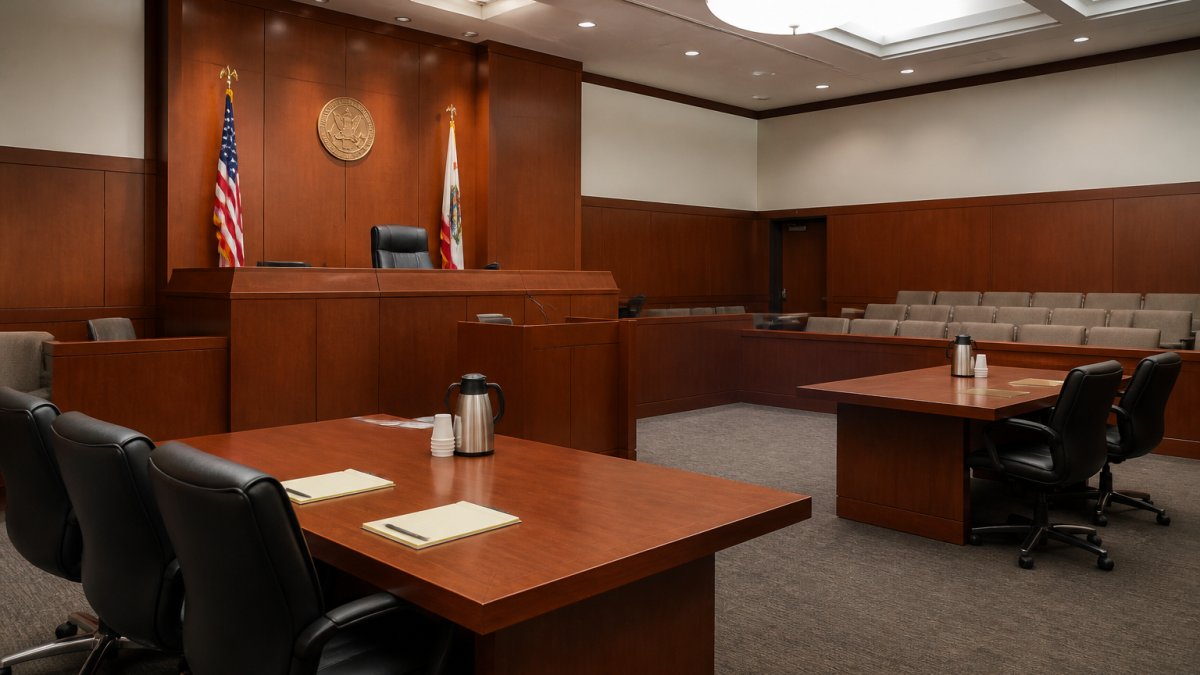
Most arraignments last 10 to 20 minutes; complicated ones, or those with bail arguments, can run 30 minutes or more. From entering the courtroom to leaving typically takes under half an hour, you'll spend more time waiting than in the courtroom. Arrive at least an hour early for security and possible holding-area waits.
What Happens If You Plead Not Guilty at Arraignment
Pleading not guilty at arraignment is the beginning, not the end.
Your case moves into discovery: the prosecutor shares police reports, witness statements, and physical evidence, while your attorney investigates independently.
Pretrial motions follow. Your attorney may challenge how evidence was obtained; motions to suppress are common and can eliminate key prosecution evidence.
Plea negotiations begin, and many cases resolve this way before trial. If no deal is reached, trial preparation starts, witnesses prepared, evidence organized, a trial date set.
You'll have multiple court appearances, each a chance to move your case forward. Your attorney handles most of the work between them.
Can You Go to Jail After Arraignment
You can be held in custody after arraignment if bail is denied or unaffordable.
If you're released on bail or your own recognizance, you go home. You must follow release conditions. These might include:
- Not contacting certain people
- Staying away from certain locations
- Submitting to drug testing
- Wearing a monitoring device
- Maintaining employment
Violating release conditions sends you back to jail. Follow them strictly.
If you're held in custody, you can request a bail reduction hearing. Your attorney can file this motion. The judge may lower bail based on new information.
If you're facing serious charges and bail is very high, your options are limited. Work with your attorney to gather evidence of your ties to the community. Character letters help. Employment verification helps. Family support helps.
Preparing for Your Court Date
Preparation starts before you enter the courthouse.
Meet with your attorney days before the hearing. Review the charges. Discuss your plea. Prepare for bail arguments. Know what to expect.
Gather documents. Employment letters. Lease or mortgage statements. Bank records. Character references. These support your case for bail.
Write down questions you have. Your attorney will answer them. Understanding the process reduces anxiety.
Sleep well the night before. Eat breakfast. Arrive early. Bring all required documents.
Dress professionally. Conservative colors. No logos or graphics. Neat hair. Clean shoes. The judge notices these details.
Bring someone to support you if possible. A family member or close friend. They can't speak in court, but their presence matters.
Silence your phone. Turn it off completely. Don't bring it into the courtroom if possible.
Listen carefully to everything the judge says. If you don't understand, ask for clarification. Take notes if allowed.
After the hearing, discuss the outcome with your attorney. Understand what happens next. Know your next court date. Follow all instructions.
Facing an arraignment is stressful. You're dealing with serious legal consequences and uncertain outcomes. The Van Nuys Crime team has decades of combined courtroom experience in the Van Nuys Superior Court system. We understand local procedures, judge tendencies, and prosecutor strategies. We identify weaknesses in the prosecution's case early and develop customized defense strategies tailored to your specific charges and circumstances. From your first appearance through trial, we stand by your side and fight relentlessly for the best possible outcome. Request a Free Case Evaluation to discuss your situation with an experienced criminal defense attorney who knows the Van Nuys courthouse inside and out.
Frequently Asked Questions
What three things happen at an arraignment?
At your Van Nuys arraignment, three critical events occur: first, the judge formally reads the charges against you; second, you enter a plea (guilty, not guilty, or no contest); third, the judge makes a bail decision and sets release conditions. Your defense attorney will be present to protect your rights and advise you on your plea. Understanding these three components helps you prepare mentally and legally for the hearing.
What should I bring to an arraignment?
Bring a valid government-issued ID, any court documents you received, and documentation of employment or residence if relevant to bail arguments. Do not bring weapons, recording devices, or large amounts of cash. Wear clean, conservative clothing that shows respect for the court. If you have a defense attorney, they will guide you on additional materials. Leave phones on silent and arrive at least 30 minutes early to allow time for security screening and check-in.
What happens if I plead not guilty at arraignment?
If you plead not guilty at your Van Nuys arraignment, the case moves into the pretrial phase. The judge will set a date for your next court appearance, which may be a preliminary hearing or a pretrial conference. Your defense attorney will begin investigating the charges, reviewing police reports, and building your defense strategy. You remain either released on bail or in custody pending that next hearing. Pleading not guilty does not mean the charges will be dropped; it means you dispute them and the prosecution must prove guilt beyond a reasonable doubt.
Can you go to jail after arraignment?
Yes, you can be held in custody after your Van Nuys arraignment if the judge determines bail is appropriate and you cannot afford it, or if the judge denies bail entirely for serious felonies or flight risks. However, many defendants are released on their own recognizance (promise to return) or with bail conditions. Your defense attorney can argue for reduced bail or release without bail based on your ties to the community, employment, and criminal history. If bail is set too high, you can request a bail reduction hearing.