 how-to
7 Steps to Prepare for Cross-Examination in Van Nuys
Last Updated: October 24, 2026
Quick Summary
To prepare for cross-examination in Van Nuys, confirm your courthouse, department, and calendar with the Los Angeles Superior Court, then set one clear goal per witness and build a written examination plan from prior statements and exhibits. Witnesses should practice short, truthful answers in a mock cross-examination.
- Confirm the department, hearing date, and time through the court's online case access system.
- Write one goal sentence for each witness and cut questions that do not serve it.
- Plan 30 to 60 minutes of preparation per witness and index every exhibit.
- Witnesses should answer only the question asked, then stop talking.
- There is no fixed time limit; cross-examination lasts as long as the judge allows.
Table of Contents
- What to Expect During Cross-Examination in Van Nuys Court
- Step 1: Set a Clear Goal for Every Witness
- Step 2: Review Witness Statements, Depositions, and Prior Testimony
- Step 3: Build Your Examination Plan and Prepare Exhibits
- Cross-Examination Questions Examples That Hold Up in Court
- How to Prepare a Witness for Cross-Examination
- How Long Does Cross-Examination Last?
- Ethical and Procedural Limits Every Examiner Must Respect
- Frequently Asked Questions
What to Expect During Cross-Examination in Van Nuys Court
Preparing for cross-examination starts with knowing which room you will walk into.
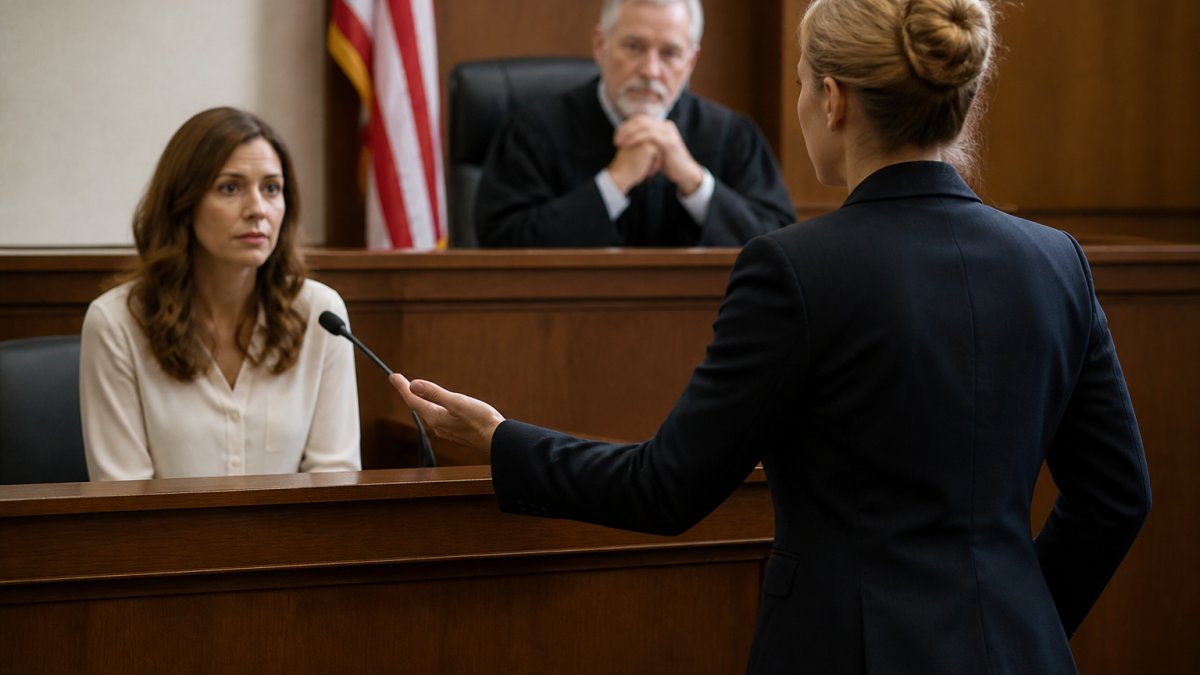
Cross-examination is the questioning of a witness by the opposing side after direct examination. It tests credibility, fills gaps in testimony, and challenges the other side's version of events. The examiner asks short, leading questions. The witness answers.
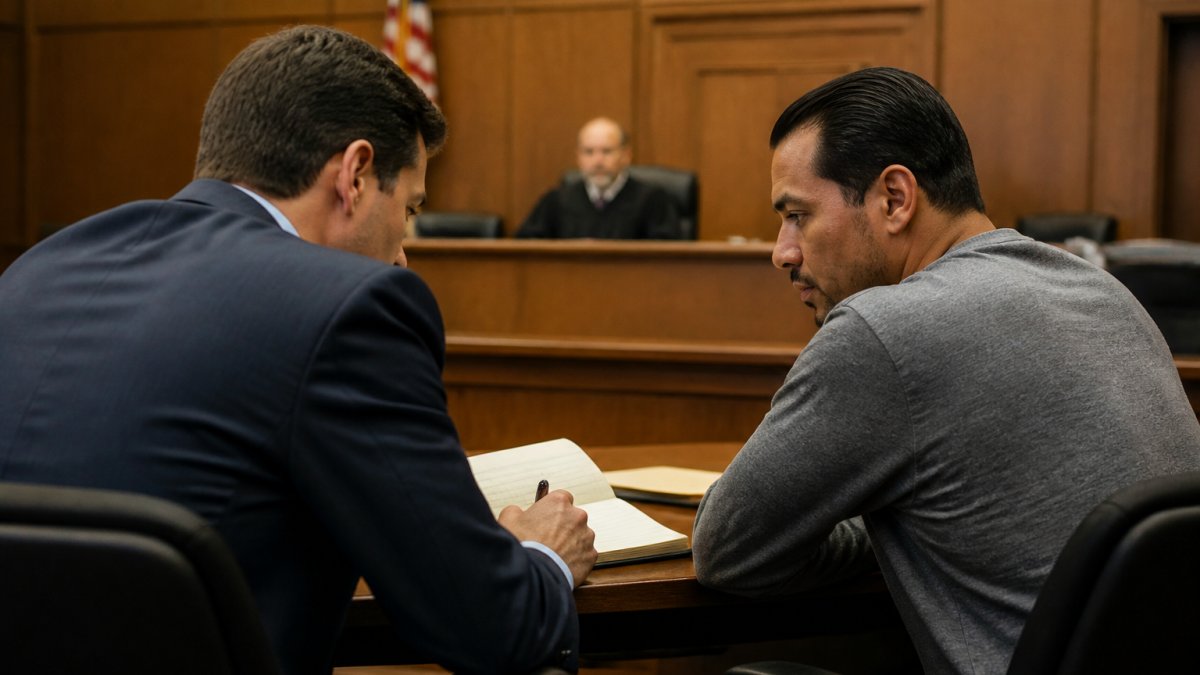
Confirm the Courthouse, Department, and Calendar
Los Angeles Superior Court assigns each case to a specific courthouse and department, and the department, not the building, controls the schedule. Use the court's online case access system to confirm the department, hearing date, and time, and call the department clerk if the record is unclear. Do not rely on a mailing address or an old notice; departments move and calendars shift.
A few practical confirmations worth making the week before:
- Case number and department. Match them against the most recent notice you received.
- Reporting time versus hearing time. Arrive at the reporting time, not the hearing time; security lines and check-in take longer than people expect.
- Parking and entry. The Van Nuys courthouse complex has public parking structures nearby, and all visitors pass through weapons screening. Allow extra time.
The Room, the Players, and the Pace
A typical courtroom has a judge on the bench, a clerk, a court reporter, and counsel tables facing the bench. The witness sits between the bench and the gallery, and a bailiff may be present. The pace is faster than television suggests.
Two procedural habits matter more than any speech you prepare. Stand when the judge enters and when you address the court, unless the judge says otherwise. Address the judge as "Your Honor" and direct objections and requests to the court, not to opposing counsel.
Your Rights on the Stand
You are not required to guess, speculate, or fill silence. If you do not understand a question, say so; if you do not remember, say that. You can ask to review a document before answering a question about it.
You also have the right to have questions objected to. If counsel objects, stop talking and wait for the judge to rule. Do not answer over an objection or argue with it.
For a fuller picture of how the courthouse runs day to day, read our guide to Van Nuys court procedures. If you are still finding your way, this guide to finding your courtroom in Van Nuys covers the building layout.
Step 1: Set a Clear Goal for Every Witness
Every witness on your list needs one sentence attached to them before you write a single question: the goal, the single fact or credibility point you want that witness to establish or concede. Write it down and cut any question that does not serve it.
Common goals look like this:
- Pin the witness to a specific time, place, or sequence
- Lock in a detail that helps your case theory
- Show a bias that colors the testimony
Defense attorneys who skip this step end up asking broad questions and getting broad answers. Broad answers help the other side.
Step 2: Review Witness Statements, Depositions, and Prior Testimony
The most effective cross-examination questions come from the witness's own words. Pull every prior statement you can find, police reports, recorded interviews, deposition transcripts, preliminary hearing testimony, written declarations, and read them side by side, noting where the story shifted or a detail appeared for the first time.
If prior testimony came from a Van Nuys hearing, the transcript is the strongest tool you have. Our guide on requesting a court transcript in Van Nuys explains how to get one.
Build a simple comparison sheet:
| Source | What the witness said | Date | Conflict with current story |
|---|---|---|---|
| Police report | "Didn't see the face" | Report date | Now identifies defendant |
| Deposition | "Two people present" | Depo date | Now says three |
| Preliminary hearing | "Couldn't recall time" | Hearing date | Now gives exact time |
This sheet becomes your question outline. Each row is a potential impeachment point.
Step 3: Build Your Examination Plan and Prepare Exhibits
An examination plan is a written sequence of topics, each with its goal, key questions, and supporting exhibit. Build it topic by topic and group related points so the witness cannot reset between them.
Total time: 30 to 60 minutes of planning per witness Difficulty: Moderate
What you need:
- Your goal sentence for the witness
- The prior statement comparison sheet
- Copies of every exhibit, marked and indexed
Organize by topic, then by sequence within each topic. Start with uncontested background facts, move to the points you need, and save impeachment for the end of a topic.
Cross-Examination Questions Examples That Hold Up in Court
Good cross-examination questions are short, leading, and answerable with one word. Bad ones are open-ended and invite explanation.
Request a Free Case Evaluation →
Leading Questions That Pin Down a Fact
Leading questions suggest the answer in the question itself, giving the witness only two options.
- "You were standing on the east side of the street, correct?"
- "The lighting was dim, yes or no?"
- "You told the officer you had two drinks, not three. True?"
If a witness dodges, repeat the question. Do not rephrase it into something broader.
For more tactics on handling a hostile or evasive witness, see our breakdown of strategies for challenging witness testimony.
Questions That Expose Bias or Inconsistency
Bias questions establish a reason to shade the truth. Inconsistency questions establish that the witness has told different versions.
- "You and the complainant are close friends, correct?"
- "You discussed this case with the complainant before today, yes?"
- "Today you said the car was blue. In your statement you said green. Which is accurate?"
Lock the witness into the current version first. Then read the prior statement aloud. Then ask which one is true. Never ask "why did you lie." Ask what changed.
How to Prepare a Witness for Cross-Examination
Most guides to cross-examination are written for the lawyer asking the questions. This section is for the person who will answer them, the defendant, the client, or the witness in the box. The goal is not to script answers or coach evasion, but to help a truthful witness stay accurate, calm, and clear under pressure.
Start With Truthful Recollection, Not Rehearsed Lines
A witness who memorizes answers sounds rehearsed and gets caught on follow-up questions. Before any prep session, have the witness write down their recollection in their own words, in chronological order, without looking at police reports or other statements. Then compare that account to the documents and prepare to explain any differences truthfully.
The Core Rules for the Witness
Cover these points in a prep session, and repeat them until they are habits:
- Listen to the entire question before answering. Do not start formulating an answer while the examiner is still talking.
- Answer only the question asked, then stop. Do not volunteer context, explanations, or additional facts. The examiner will ask for what they want.
- Say "I don't know" or "I don't remember" when that is true. Guessing is how truthful witnesses create inconsistencies.
What Preparation Can and Cannot Do
Preparation can help a witness understand the process, control nerves, and avoid common mistakes. It cannot change the facts, and it should not try to. A witness coached to evade or shape testimony risks losing credibility with the judge and, in a criminal case, far more serious consequences.
Run a Mock Cross-Examination
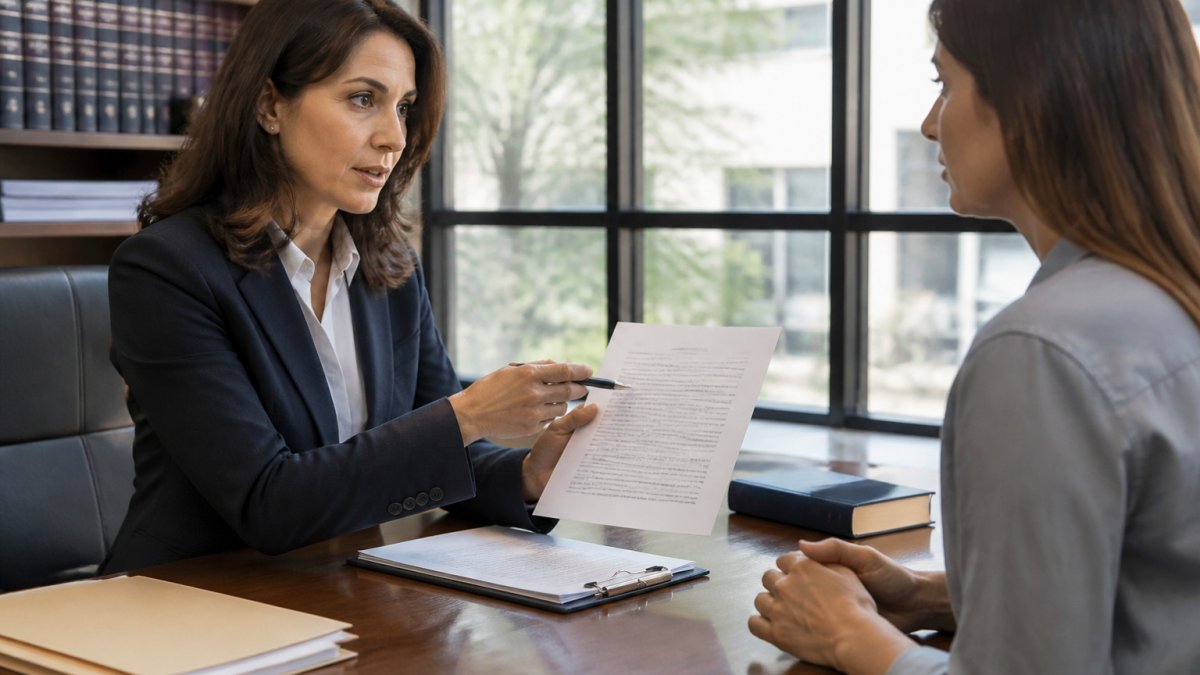
Run a mock cross-examination using the hardest questions you expect. Have someone play the examiner and ask short, leading questions in the opposing side's style, and let the witness practice staying calm and short. Record the session if the witness is comfortable, and review it to spot habits like over-explaining or guessing.
Case Type Changes the Rules
The preparation above is general. The applicable rules and stakes vary by case type and hearing: a criminal preliminary hearing, a family law evidentiary hearing, a civil deposition, and a small claims trial each have their own procedures, scope rules, and consequences for testimony.
Dress matters more than people expect. Our guide on how to dress for a court appearance in Van Nuys covers what reads as respectful in front of a judge and jury.
How Long Does Cross-Examination Last?
There is no fixed time limit. Cross-examination lasts as long as the judge allows, depending on the case type, the number of witnesses, and the court's calendar. A misdemeanor trial may see cross-examination of a single witness run ten to thirty minutes, while a felony trial with multiple witnesses can run hours per witness.
The examiner controls the clock more than the witness does. Short, focused questioning finishes sooner and lands harder than a long, wandering session.
Ethical and Procedural Limits Every Examiner Must Respect
Cross-examination has rules, and breaking them costs you credibility with the judge.
- No arguing with the witness. Questions are questions, not speeches.
- No questions about privileged communications. Attorney-client and similar protections apply.
- No badgering or harassing tone. Judges will stop it.
The Federal Rules of Evidence set the federal framework for witness examination and impeachment, and state courts apply their own evidence codes.
One more limit worth naming: cross-examination is not a chance to tell your story. That happens on direct.
Facing cross-examination without a plan is how strong cases weaken in the room.
Frequently Asked Questions
How long does cross-examination last?
Most cross-examinations run between 15 minutes and two hours, depending on the number of witnesses, the complexity of the case, and the judge's schedule. A single witness may be questioned for 10 minutes or for half a day in a serious felony matter. The examiner usually controls the pace, but the judge can set time limits and cut off repetitive questioning. Attorneys typically plan for a focused examination rather than a long one, because short, pointed questioning tends to be more effective than an exhaustive review of every detail.
What questions can't be asked in cross-examination?
Courts generally bar questions that are argumentative, compound, vague, harassing, or that call for speculation. Questions about privileged communications, such as attorney-client discussions, are off limits. Under California evidence rules, a party cannot ask about prior bad acts offered only to show a propensity to act in a certain way, and questions about a witness's sexual history or certain medical records face strict limits. Judges also block questions that assume facts not in evidence. An attorney who objects can stop an improper question before the witness answers.
Can a witness review their testimony before cross-examination?
In many situations, yes. A witness may refresh their recollection by reviewing a prior statement, deposition transcript, or their own notes before testifying, and opposing counsel can usually see the material used. A defendant who is about to take the stand should go over the expected questions with their attorney beforehand, but should never be coached to change an answer. Reviewing the facts helps a witness stay consistent, and consistency is what the examiner is testing for.
How do you prepare a witness for cross-examination?
Start with the witness's own prior statements, reports, and deposition transcripts, then walk through likely questions in a mock session. Teach the witness to answer only what is asked, keep answers short, pause before responding, and say I don't know when that is the truth. Explain that leading questions are designed to control the answer and that the witness should not volunteer extra detail. Practice staying calm when challenged, and review courtroom logistics so the witness knows where to sit, how to address the judge, and when to ask for a break.