 ultimate-guide
Van Nuys Criminal Court Procedures: A Complete Guide
Last Updated: October 23, 2026
Quick Summary
Criminal court procedures in Van Nuys follow a structured path from arrest through trial, including arraignment within 48-72 hours, preliminary hearing within 10-15 days for felonies, discovery exchange, pretrial motions, and either plea negotiation or trial. Each stage protects the rights of the accused while serving the public interest.
- Arraignment occurs within 48-72 hours of arrest, where you hear charges and enter an initial plea.
- Felony preliminary hearings must occur within 10 court days, or 15 if you waive the speedy requirement.
- Felony cases typically take 6-12 months from arrest to trial; misdemeanors often resolve within 3-6 months.
- Discovery requires the prosecution to disclose all relevant evidence, witness statements, and police reports to the defense.
- Arrive 30-45 minutes early to Van Nuys courthouse and bring government-issued photo ID and your case number.
Table of Contents
- How Criminal Cases Move Through the Court System
- Arrest, Booking, and the Filing of Charges
- Understanding the Criminal Arraignment Process in California
- The Criminal Preliminary Hearing in California
- Criminal Court Hearing Timeline in California
- Felony Court Procedure at Van Nuys Superior Court
- Trial, Sentencing, and Your Rights Throughout the Process
- Frequently Asked Questions
How Criminal Cases Move Through the Court System
When someone faces criminal charges, the case follows a structured path through the California court system. Understanding Van Nuys criminal court procedures helps defendants and families know what to expect at each stage, from arrest through potential trial.
The criminal court process in California protects both the rights of the accused and the public interest. Each stage serves a purpose: establishing probable cause, determining bail, exchanging evidence, negotiating resolutions, and either resolving the case or proceeding to trial. Understanding these procedural safeguards is essential for anyone navigating the bail process while ensuring that constitutional protections remain intact throughout the duration of the case.
Arrest, Booking, and the Filing of Charges
An arrest begins the criminal process. Police must have probable cause, reasonable grounds to suspect criminal activity, not absolute proof. Once arrested, you're taken to a station or jail for booking, where officers record your information, the alleged offense, and your property.
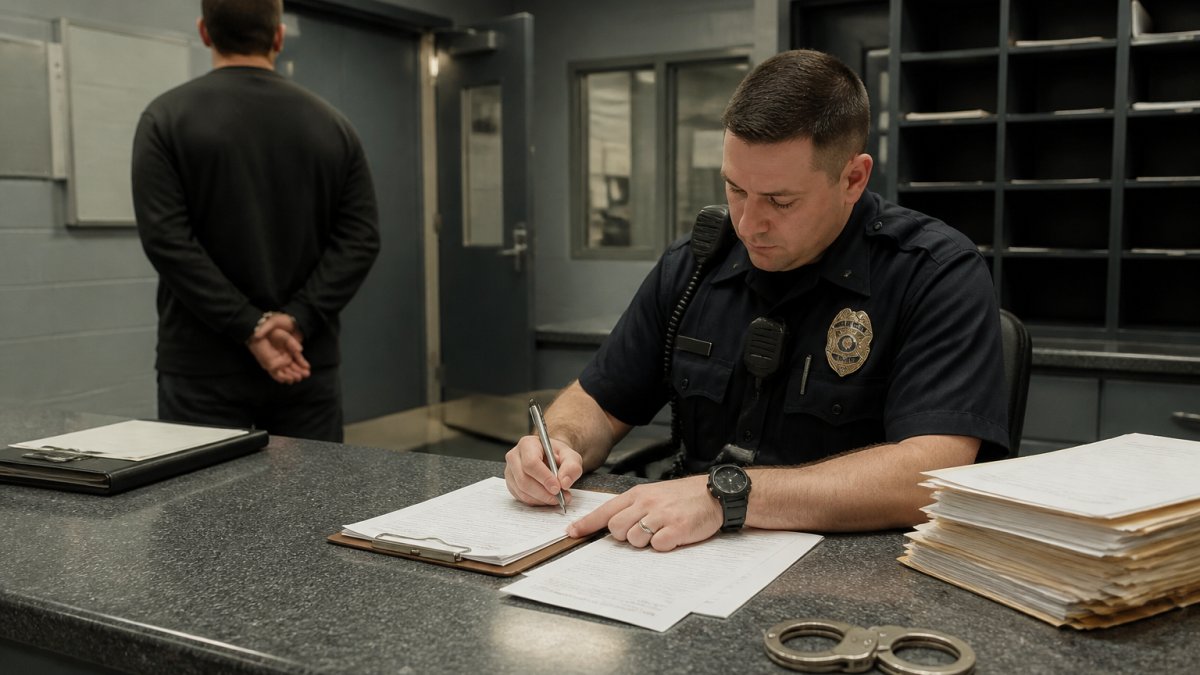
During booking, you have the right to make a phone call, exercise it early by calling a family member or attorney. If police intend to question you, you must be informed of your Miranda rights: the right to remain silent and the right to an attorney.
Within 72 hours of arrest, the prosecutor must file a criminal complaint or you must be released. The complaint outlines the specific charges and supporting facts. For guidance on this stage, learn more about police procedures used during arrests.
Understanding the Criminal Arraignment Process in California
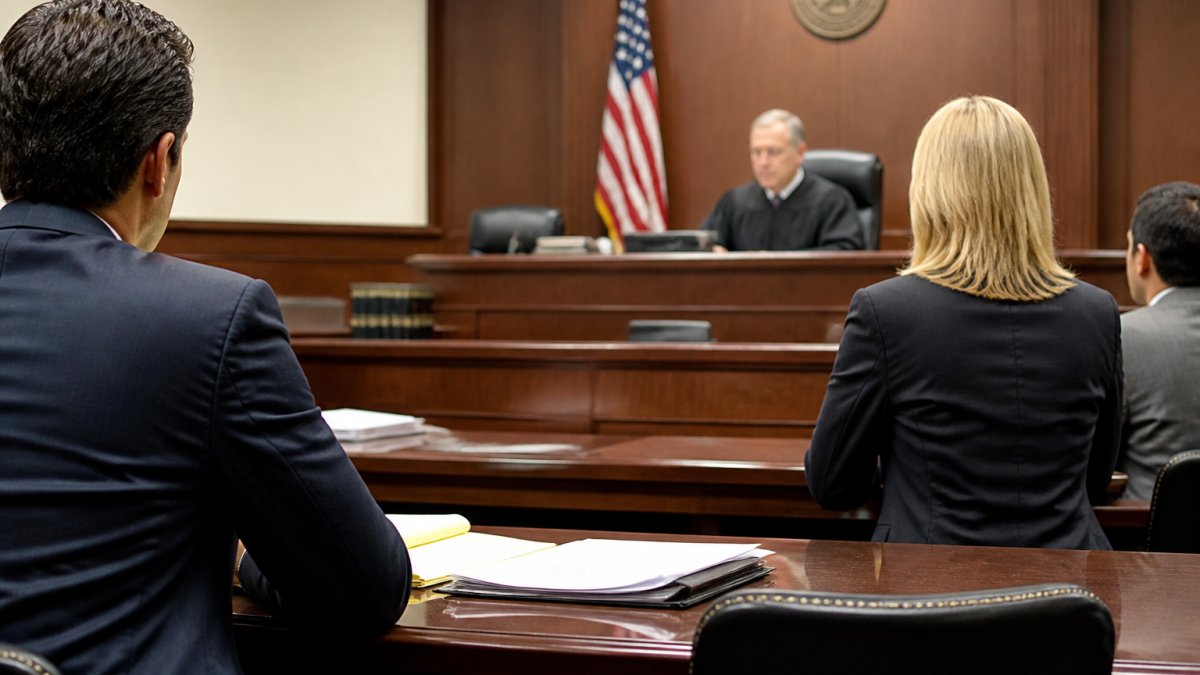
Your first court appearance is typically the arraignment, where you appear before a judge, hear the charges, and enter an initial plea. The criminal arraignment process in California is designed to inform you of your rights and the allegations you face.
At arraignment, the judge informs you of the charges, your rights, and potential penalties. You enter a plea, guilty, not guilty, or no contest; most defendants plead not guilty to preserve their rights and allow time to investigate and negotiate. The judge also addresses bail. If you cannot afford bail, you can request a bail hearing, where the judge decides whether to release you on your own recognizance, set bail, or hold you without bail.
The arraignment typically occurs within 48-72 hours of arrest. Many defendants don't have an attorney yet; if you can't afford one, you can request a public defender. For specific guidance, review what happens at your Van Nuys arraignment.
The Criminal Preliminary Hearing in California
If you're charged with a felony and plead not guilty, the case moves to a preliminary hearing. The criminal preliminary hearing in California is the prosecution's opportunity to prove probable cause. This is not a trial, the standard is lower, requiring only probable cause, not guilt beyond a reasonable doubt.
At the preliminary hearing, the prosecution presents evidence, police reports, witness testimony, physical evidence, or expert analysis, and your defense attorney can cross-examine witnesses and challenge it. This is your first real look at the prosecution's case. If the judge finds insufficient probable cause, charges are dismissed; if probable cause is found, the case proceeds to trial preparation.
The preliminary hearing also serves as a discovery tool, revealing the prosecution's evidence and how witnesses will testify. For detailed preparation advice, learn how to prepare for a preliminary hearing for assault.
Criminal Court Hearing Timeline in California
The criminal court hearing timeline in California mixes statutory deadlines with practical court scheduling. Understanding both helps you anticipate what comes next and which hearings require your presence versus your attorney's.
After arraignment, if you plead not guilty to a felony, you have the right to a preliminary hearing within 10 court days (or 15 court days if you waive the speedy preliminary hearing requirement) (The arraignment | California Courts). These are court days, not calendar days, so weekends and judicial holidays do not count. If probable cause is found, the case moves to superior court for further proceedings.
Between arraignment and trial, several hearings may occur. A status conference is a short calendar call where the judge confirms progress and sets the next date. A motions hearing is where your attorney argues pretrial motions, such as suppressing evidence under the Fourth Amendment or excluding statements taken in violation of Miranda.
Continuances, postponements, are common. Either side may request one for good cause: a pending lab report, an unavailable witness, a new attorney needing time, or an overbooked calendar.
A felony case typically takes 6-12 months from arrest to trial, though complex cases can take longer. Misdemeanors often resolve within 3-6 months. DUI cases may resolve sooner if both sides agree early; domestic violence cases may add protective order hearings.
To confirm your next hearing date, department, and whether remote appearance is allowed, check the court's online case access system or call the clerk. Verify the morning of your hearing rather than relying on an older notice.
Felony Court Procedure at Van Nuys Superior Court
Felony cases in the Van Nuys Superior Court follow California's formal criminal procedure rules, but knowing how cases are assigned, where to go, and what to bring can matter as much as knowing the legal stages.
Once a felony case is filed, it is assigned to a department, a specific courtroom and judge, based on the offense type, caseload, and judicial availability. Violent crimes, drug offenses, and gang-related charges may go to specialized departments.
Request a Free Case Evaluation →
The Van Nuys courthouse handles cases from the San Fernando Valley and, like most Los Angeles County courthouses, requires security screening at the entrance.
Felony procedures include multiple court dates. Status conferences occur regularly to keep the case moving. Discovery must be completed, and both sides exchange all evidence they plan to use.
Remote appearances are increasingly available for some routine hearings, but rules vary by department and hearing type.
Discovery and Pretrial Motions
Discovery is the formal exchange of evidence between prosecution and defense. California law requires the prosecution to disclose all relevant evidence, witness statements, police reports, lab results, and anything that could help your defense. Your attorney reviews this material to identify weaknesses, inconsistencies, or procedural violations.
Pretrial motions challenge the prosecution's evidence or procedures, for example, the legality of a search or seizure under the Fourth Amendment, statements taken in violation of Miranda, or evidence obtained illegally. Successful motions can eliminate key evidence, sometimes leading to dismissal. Your attorney files and argues these motions before the judge.
Plea Negotiations and Agreements
Most criminal cases resolve through plea negotiations rather than trial. The defendant might plead guilty to a lesser charge, the prosecution might recommend a lighter sentence, or both sides might compromise on charges and sentencing.
Plea negotiations require careful evaluation. Your attorney must explain the terms, the potential sentence, and how it compares to the risk of trial. A plea guarantees a known outcome; trial carries uncertainty but also the possibility of acquittal. Your attorney should never pressure you into a plea you don't understand. If you're concerned your lawyer is pushing a deal unfairly, learn the warning signs and consider a second opinion.
At Van Nuys Crime, we ensure clients understand every option and make informed decisions. We investigate thoroughly to identify weaknesses in the prosecution's case, which strengthens our negotiating position and gives us leverage to secure better outcomes.
Trial, Sentencing, and Your Rights Throughout the Process
If your case doesn't resolve through plea negotiation, it proceeds to trial: jury selection, opening statements, evidence presentation, cross-examination, closing arguments, and jury deliberation.
Trial preparation is intensive: meeting with you multiple times, preparing witnesses, developing cross-examination strategies, and anticipating prosecution arguments. If you're preparing for trial, learn what to look for in a trial-ready defense lawyer.
If you're convicted, sentencing follows. The judge considers the offense's severity, your criminal history, personal circumstances, and victim impact statements. California sentencing guidelines provide ranges, but judges have discretion.
Throughout the process, you have fundamental rights: to an attorney, to know the charges, to confront witnesses, to present evidence, and to appeal a conviction.
At Van Nuys Crime, we protect these rights aggressively. We investigate police conduct, challenge improperly obtained evidence, and ensure fair treatment at every stage.
| Stage | Timeline | Key Decisions |
|---|---|---|
| Arrest and Booking | Immediate | Exercise right to phone call and remain silent |
| Criminal Complaint Filed | Within 72 hours | Understand charges and potential penalties |
| Arraignment | Within 48-72 hours | Enter plea; address bail |
| Preliminary Hearing (Felony) | Within 10-15 days | Prosecution proves probable cause |
| Discovery Exchange | Ongoing | Review evidence; identify weaknesses |
| Pretrial Motions | Before trial | Challenge evidence or procedures |
| Plea Negotiations | Anytime | Evaluate resolution options |
| Trial | Months after arrest | Jury determines guilt or innocence |
| Sentencing | After conviction | Judge determines penalties |
Understanding Van Nuys criminal court procedures helps you participate in your defense and make informed decisions with your attorney. Each stage presents opportunities to protect your rights.
Facing criminal charges affects your freedom, career, family, and future. Van Nuys Crime provides aggressive, personalized representation from arrest through trial and appeal.
Frequently Asked Questions
What are the main steps in a criminal court case?
A criminal case typically moves through arrest and booking, filing of charges, arraignment, preliminary hearing, pretrial proceedings, and either trial or plea agreement. Each stage involves specific procedures, court appearances, and decisions that affect your case outcome. Understanding each step helps you prepare and work effectively with your defense attorney to protect your rights.
How long does the criminal court hearing timeline take in California?
The timeline varies based on case complexity and court schedules. Continuances can extend timelines further. Your attorney can explain expected delays specific to your case.
What happens at the criminal arraignment process in California?
At arraignment, you appear before a judge, are informed of charges, advised of your rights, and asked to enter a plea. The judge addresses bail or release conditions, appoints a public defender if needed, and sets dates for future hearings. This is your first formal court appearance and typically occurs within 72 hours of arrest. Your attorney can advise you on pleading strategies and bail options before this critical hearing.
What should I expect at a preliminary hearing?
The preliminary hearing determines whether sufficient evidence exists to proceed to trial. The prosecutor presents evidence and witnesses; your defense attorney can cross-examine and challenge testimony. The judge decides if probable cause exists for the charges. This hearing is your opportunity to test the prosecution's case early and identify weaknesses in their evidence before trial.
How does bail work in criminal court cases?
At arraignment, the judge sets bail or release conditions based on flight risk, criminal history, and offense severity. You may be released on your own recognizance, given a bail amount, or held without bail for serious crimes. Bail allows you to remain free pending trial. Your attorney can argue for reduced bail or release without bail, which is critical for maintaining employment, family connections, and your defense preparation.
What is the difference between felony and misdemeanor court procedures?
Misdemeanor cases are tried in lower courts and carry lighter sentences. Felony cases proceed through Superior Court with more complex procedures, including preliminary hearings. Felonies involve more serious crimes and harsher penalties. Both require arraignment and discovery, but felony cases typically involve longer timelines, more extensive pretrial motions, and greater consequences, making experienced legal representation especially critical.