 how-to
6230 Van Nuys Blvd Ste 300: Immigration Court Guide
Table of Contents
- Location, Hours, and Contact Information for 6230 Van Nuys Blvd Ste 300
- What Happens Inside the Van Nuys Immigration Court
- Security Screening and Access Procedures
- How to Find a Criminal Defense Attorney for Immigration-Related Cases
- What to Expect at a Court Hearing at This Location
- Hiring a Criminal Defense Lawyer in California: What You Need to Know
- Filing Documents, Transit Options, and Nearby Amenities
- Frequently Asked Questions
Last Updated: September 16, 2026
Location, Hours, and Contact Information for 6230 Van Nuys Blvd Ste 300
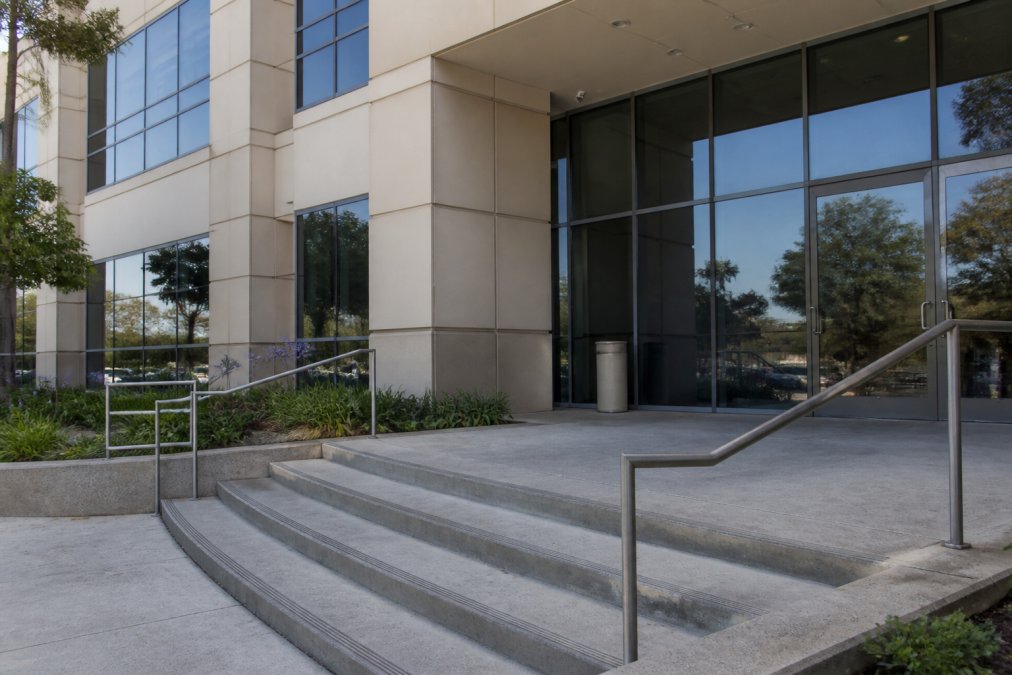
The Van Nuys immigration court at 6230 Van Nuys Blvd Ste 300, Van Nuys, CA 91401 sits on the third floor of a federal office building. This guide from Van Nuys Crime covers the address, hours, security rules, and hearing logistics.
Physical Address and Court Location
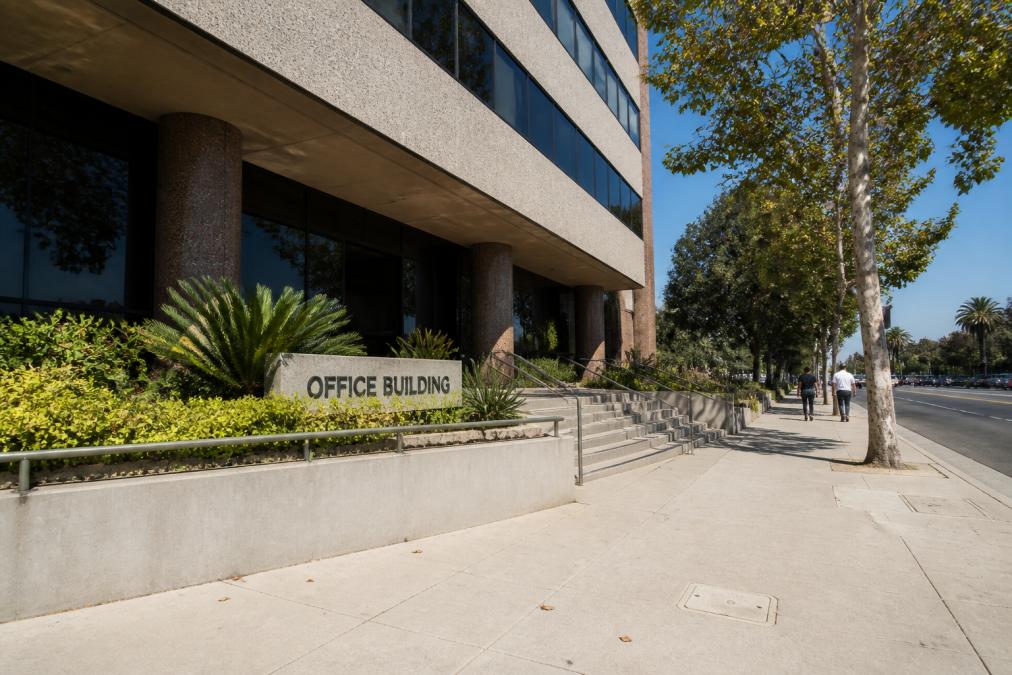
The court's full address is 6230 Van Nuys Blvd, 3rd Floor, Suite 300, Van Nuys, CA 91401. The building sits along a major commercial corridor in the San Fernando Valley, so parking fills quickly on weekday mornings. Plan to arrive at least 45 minutes before your scheduled time; security lines move slowly during the 8:00 a.m. rush, and a missed hearing carries consequences no attorney can undo.
Public Hours and Operational Status
The court is listed as OPEN by the Department of Justice, with public hours from 8:00 a.m. to 4:30 p.m. Window filing hours run 8:00 a.m. to 4:00 p.m., a 30-minute gap that trips up people filing at the last minute. Call ahead if you are unsure whether your matter is on calendar, the court clerk's office is the only reliable source for same-day confirmation.
What Happens Inside the Van Nuys Immigration Court
Inside, this is a high-volume removal docket, and the numbers are stark. The court's asylum grant rate sits at 8.4%, well below the national average of 59.6%, according to Vasquez Law NC's analysis of court data. That gap is not a rounding error. It reflects a more restrictive adjudication environment than most immigration courts nationwide.
Security Screening and Access Procedures
Every person entering the building passes through a security checkpoint similar to airport screening. Bring a government-issued photo ID, and expect to remove belts, empty pockets, and send bags through an X-ray scanner. Prohibited items include weapons, sharp objects, and recording equipment without prior authorization. Cell phones are generally permitted but must be silenced inside the courtroom.
The step-by-step process looks like this:
- Arrive at the building entrance and join the security line
- Present photo ID to the screening officer
- Place bags and metal objects in the screening tray
- Pass through the metal detector
- Proceed to the 3rd floor and check in with the court clerk
- Wait in the designated area until your case is called
How to Find a Criminal Defense Attorney for Immigration-Related Cases
The right time to find a criminal defense attorney is before a criminal charge collides with your immigration status. Certain convictions can trigger removal proceedings even for lawful permanent residents, so the two cases should never be handled in isolation. Precision is equally vital when translating immigration documents to ensure that every detail of your background remains consistent and legally sound throughout the entire process.
When you are evaluating counsel, ask three questions:
- Does the attorney have direct experience in this courtroom and its docket?
- Will they coordinate with an immigration attorney on the immigration consequences of any plea?
- Are they prepared to take the case to trial, or do they default to negotiation?
What to Expect at a Court Hearing at This Location
A hearing at this location is a sequence, not a single event, your first appearance usually does not decide your case. Knowing which hearing type you face changes how you prepare.
Master Calendar vs. Individual Hearing
Most first appearances here are master calendar hearings. The judge calls a docket in sequence, handles procedural housekeeping, pleadings, scheduling, bond, continuances, and moves on; you may be in the room only minutes. The individual hearing is the merits hearing, where evidence is presented, witnesses may testify, and the judge decides the outcome. It is scheduled separately, often months later.
What Happens, Step by Step
- Check-in. Arrive early, clear security, and check in with the clerk on the 3rd floor. Confirm your name is on the docket.
- The call of the docket. The judge addresses cases in sequence. Listen for your name, cases are not always called in the order you expect.
- Pleadings. The judge confirms the charges, asks how you plead, and identifies any relief you intend to seek.
- Motions. Motions to change venue, continue, or substitute counsel are commonly heard here, each with its own filing and service requirements.
- Scheduling. If the matter continues, the judge sets the next date and filing deadlines.
- Adjournment. You leave with a written or stated next date. Write it down and confirm it with the clerk before you exit.
Judge Assignments and Timelines
Cases at this location are assigned to individual immigration judges, and each judge runs their own calendar. For Judge Steven Marcus, one of the judges assigned here, the median time to case completion runs 16.5 months, with roughly 1,260 completions per year across a total case history of 7,562 cases, according to Border Crossing Law's judge profile data.
Courtroom Decorum and Interpreters
Stand when the immigration judge enters, address the judge as "Your Honor," and answer only the question asked. If you do not speak English fluently, interpreter services are available at no cost, but you must request them before your hearing date so the court can arrange coverage.
How to Prepare
Bring your hearing notice, photo ID, and copies of every document you have filed. If represented, confirm with your attorney which hearing type is on calendar and whether to bring witnesses or evidence. If not, ask the clerk at check-in what to expect for your case type, the answer varies by docket.
Request a Free Case Evaluation →
Hiring a Criminal Defense Lawyer in California: What You Need to Know
Hiring a criminal defense lawyer in California means understanding that state and federal systems operate separately, and an immigration case can run alongside a criminal one without either court pausing. Timing decides outcomes.
A few practical points to keep straight:
- Filing requirements differ between criminal and immigration matters. A notice to appear in immigration court is not the same document as a criminal complaint, and deadlines are not interchangeable.
- Biometrics appointments and case management conferences may fall on dates that conflict with criminal court appearances. Your attorneys need to coordinate calendars.
- Legal documentation should be organized in advance: charging documents, police reports, and any prior dispositions.
Filing Documents, Transit Options, and Nearby Amenities
Most guides stop at the address. This section covers the logistics that get you to the window on time and back out without a second trip.
Getting There Without a Car
The building sits on Van Nuys Boulevard, one of the San Fernando Valley's primary north-south transit corridors, making it one of the region's more transit-accessible immigration courts. Metro Local and Metro Rapid buses run frequently along Van Nuys Blvd, with stops a short walk from the entrance. The Metro G Line (Orange Line) station at Van Nuys is roughly a mile south, with connecting local service covering the rest.
Filing Documents at the Public Window
The public filing window operates 8:00 a.m. to 4:00 p.m., a half-hour shorter than the court's general public hours, the most common reason people leave without filing.
A few mechanics worth knowing before you go:
- Bring the original plus at least two complete copies of every document. The clerk keeps one, stamps one as your received copy, and you retain the original.
- The clerk's date stamp is your proof of timely filing.
- For a motion, include a certificate of service showing you served the opposing party (typically the Department of Homeland Security). Motions without proof of service are commonly rejected at the window.
- Deadlines are set by the immigration judge's scheduling order, not the window's hours. A document arriving after the deadline is late even if the window was open when you walked up.
- If represented, your attorney of record can file electronically through the EOIR respondent access system. Unrepresented respondents generally file in person or by mail, confirm the accepted method with the clerk, because mail delivery dates, not postmark dates, control timeliness.
Nearby Services for Last-Minute Needs
The blocks around the building are a standard commercial strip, coffee shops, fast food, small markets, and storefront services. There is no cafeteria inside the building, so eat before you arrive if your hearing falls around midday. For document emergencies, copy and shipping storefronts within a short drive handle printing, copying, and faxing, and notary services are available at nearby banks and check-cashing offices, though availability varies.
A Practical Timeline
For a morning hearing: confirm your date and time with the clerk the day before, print and copy everything the night before, arrive 45 minutes early, clear screening, check in on the 3rd floor, and keep your stamped copies in a folder you can hand to the judge if asked. Most problems reported at this location trace back to timing and paperwork, not the merits.
Frequently Asked Questions
What types of cases are heard at the 6230 Van Nuys Blvd immigration court?
The Van Nuys Boulevard immigration court handles a range of immigration proceedings, including asylum claims, removal defense, and detained juvenile cases. According to TRAC Immigration (2026), the facility is a designated hearing location for Van Nuys Detained Juvenile cases. The court's docket includes both detained and non-detained matters, with 6.6% of cases involving detained individuals. If you are unsure which type of hearing applies to your situation, consult a criminal defense attorney familiar with California immigration proceedings.
How do I check the status of my case at the Van Nuys Boulevard immigration court?
You can check your case status through the Executive Office for Immigration Review (EOIR) automated case information hotline or online portal. You will need your alien registration number (A-number) and the court's docket information. The court clerk can also assist with case status inquiries during public hours, 8:00 a.m. to 4:30 p.m. If you have an attorney of record, they can access case updates on your behalf and explain what to expect at a court hearing.
Are criminal defense attorneys available at the Van Nuys Boulevard location?
No, the 6230 Van Nuys Blvd Ste 300 facility is an administrative immigration court, not a public defender's office. However, you have the right to legal representation at your own expense. Many criminal defense lawyers in California handle immigration-related criminal matters and can appear at this location. Pro bono legal services may be available through nonprofit organizations, but they are not guaranteed. Contact a qualified attorney before your hearing date to discuss your case.
What are the security procedures for entering the 6230 Van Nuys Blvd facility?
All visitors must pass through a security screening similar to airport security. Expect to walk through a metal detector, have your bags X-rayed, and present a government-issued photo ID. Prohibited items include weapons, sharp objects, and electronics that cannot be powered on. Arrive at least 30 minutes before your hearing to allow time for screening. The court operates from 8:00 a.m. to 4:30 p.m., with window filing hours ending at 4:00 p.m. Check the official EOIR website for any updated security protocols.