 How-to
Can You Fire Your Public Defender? What to Know
Last Updated: November 5, 2026
Quick Summary
You cannot fire public defender on your own because the court appoints the attorney, so only a judge can remove them from your case. To fire public defender, you file a motion showing a real legal problem such as a conflict of interest or a complete breakdown of communication.
- Judges set a high bar before removing appointed counsel and generally seek to protect the court docket.
- Valid grounds include irreconcilable conflict, a conflict of interest, and ineffective assistance of counsel.
- In California, a Marsden hearing is a closed proceeding where you explain to the judge why counsel should be replaced.
- Requests made on the eve of trial face heavy scrutiny and can look like a delay tactic.
- If the judge denies your request, you can retain private counsel at your own expense or represent yourself pro se.
Table of Contents
- Can You Fire a Court-Appointed Attorney?
- Reasons to Fire a Public Defender That Courts Actually Accept
- Filing a Motion to Request a New Public Defender
- What to Do if Your Public Defender Is Not Doing Their Job
- When Is It Too Late to Fire Your Attorney?
- What Happens if the Judge Denies Your Request
- Talk to a Defense Attorney Before Your Next Court Date
- Frequently Asked Questions
Can You Fire a Court-Appointed Attorney?
Yes, you can ask the court to replace your public defender, but you cannot fire one on your own. A public defender is appointed by the court, so only a judge can remove that attorney from your case. Learning how to fire your public defender starts with understanding that single fact: the decision belongs to the judge, not to you.
This guide walks through the general process, from the reasons courts accept to the hearing where you make your case.
The Judge Decides, Not You
You have a Sixth Amendment right to counsel, but not an unlimited right to pick which attorney the state pays for. An indigent defendant gets competent representation, not a lawyer of choice.
That distinction matters. Judges generally seek to protect the court docket, and swapping attorneys mid-case can delay trials. Courts therefore set a high bar before removing appointed counsel.
Reasons to Fire a Public Defender That Courts Actually Accept
Courts accept a request to fire public defender only when you show a real legal problem, not general frustration. Being unhappy with your lawyer is not enough. You must point to a specific breakdown that affects your defense.
Valid grounds generally include:
- Irreconcilable conflict that has destroyed trust and communication
- A conflict of interest, such as the attorney representing a co-defendant
- A breakdown of communication so severe the two of you cannot work together
- Ineffective assistance of counsel that threatens your right to a fair trial
For a closer look at options tied to your charge, see our guide on alternatives to public defenders for domestic violence cases.
The Breakdown of Communication Threshold
The breakdown of communication threshold is the line where disagreement becomes a constitutional problem. Minor disputes over case strategy do not cross it. A total loss of trust and contact does.
Judges ask whether the relationship has collapsed so completely that the attorney can no longer defend you. If you and your lawyer still talk and plan together, the court will likely keep the appointment.
Courts accept a request to fire a public defender only when you show a real legal problem, not general frustration.
| Valid Ground | What It Means |
|---|---|
| Irreconcilable conflict | Trust and communication have been destroyed |
| Conflict of interest | Attorney represents a co-defendant |
| Breakdown of communication | So severe the two cannot work together |
| Ineffective assistance of counsel | Threatens your right to a fair trial |
Filing a Motion to Request a New Public Defender
A motion to request new public defender is the formal step that asks the judge to review your representation. You file it in writing, or you raise it at a hearing.
The motion should state specific facts, not complaints. Name what went wrong, when it happened, and how it hurt your case. Keep it short and factual.
What Happens at a Marsden Hearing
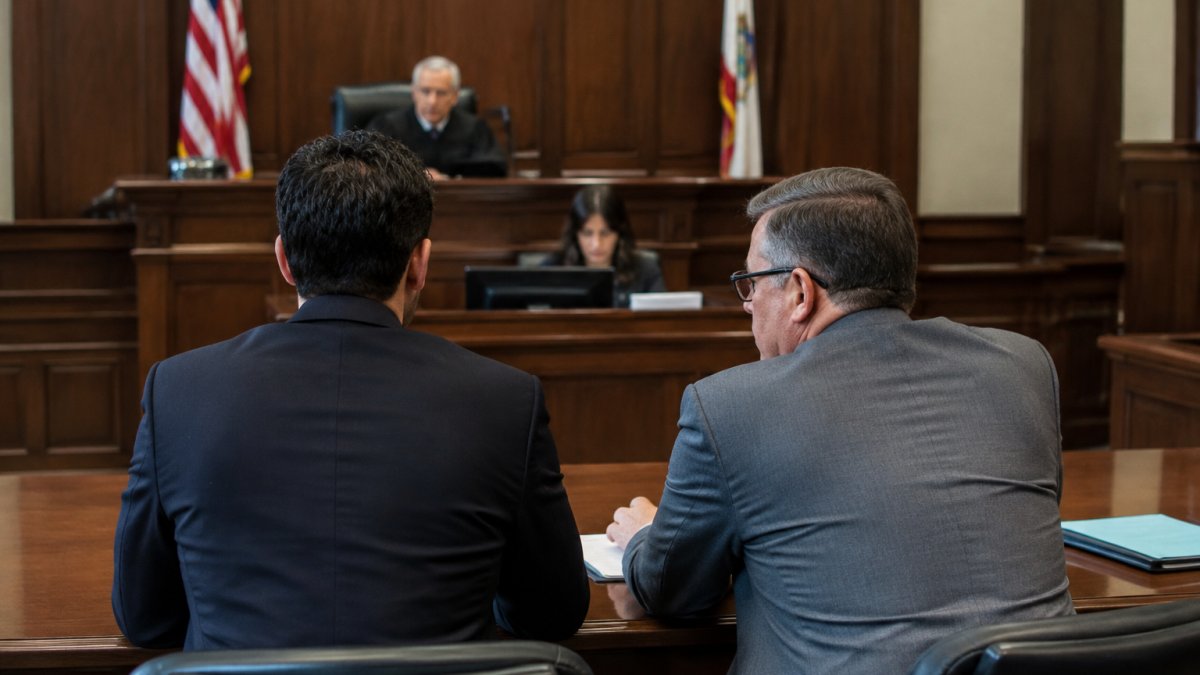
In California, a Marsden hearing is the closed proceeding where you explain to the judge why your appointed counsel should be replaced. The prosecutor is usually excluded so you can speak freely.
Request a Free Case Evaluation →
You must give concrete reasons. The judge then decides whether your attorney-client relationship has broken down enough to deny you effective representation. If the judge agrees, new counsel is appointed. If not, your current attorney stays.
What to Do if Your Public Defender Is Not Doing Their Job
Start by talking to your public defender directly. Many problems come from poor communication, not bad lawyering. Ask for a meeting, raise your concerns, and put key requests in writing.
If that fails, document everything. Keep notes on missed calls, unanswered motions, and missed deadlines. Then bring those facts to the court.
Watch out: firing your attorney late in a case can push back your trial date and cost you time in custody. If you are weighing a change and want to understand fees, read about whether you can fire your criminal defense attorney and get a refund.
When Is It Too Late to Fire Your Attorney?
It is rarely too late to ask, but the timing shapes the outcome. Courts are most willing to appoint new counsel early, before trial and before major deadlines. Requests made on the eve of trial face heavy scrutiny.
A late request can look like a delay tactic. Judges weigh your right to counsel against the court's interest in moving the case forward. If you wait until the last minute, expect the judge to question your motive.
What Happens if the Judge Denies Your Request
If the judge denies your request, your current attorney remains on the case. You have a few paths left. You can raise the issue again if new facts arise, retain private counsel at your own expense, or represent yourself pro se. For help weighing that choice, see this comparison of private attorneys versus public defenders in Van Nuys.
Pro se representation carries real risk. You would face the prosecutor and the rules of evidence alone. Most defendants are better served by working with appointed counsel or hiring a private attorney.
Talk to a Defense Attorney Before Your Next Court Date
If you believe your public defender is not protecting your rights, consider getting an independent legal opinion from a qualified criminal defense attorney.
Before you meet with any new lawyer, bring a list. Our guide on questions to ask during a criminal defense consultation helps you compare answers. And if you are still deciding who to hire, read how to choose the best criminal defense attorney.
Frequently Asked Questions
Can a defendant fire a public defender without a lawyer?
Yes, you can ask the court to replace your appointed counsel without hiring anyone. In California, that means requesting a Marsden hearing, where you explain to the judge why the attorney-client relationship has broken down. The judge, not you, makes the final call. Come prepared with specific dates, missed filings, or failed attempts to reach your attorney rather than general frustration. If the request is granted, a new public defender is appointed; if denied, you can still retain private counsel at your own expense.
What should I say when asking for a different public defender?
Stick to facts a judge can verify. Name the dates you tried to contact your attorney, the motions or discovery you asked for that never happened, and any conflict of interest you can document. Avoid claiming the attorney is 'bad' or that you 'don't trust' them without examples. Under the Sixth Amendment, the standard is whether the relationship has broken down to the point that you are being denied effective assistance of counsel. A short written timeline handed to the judge is more persuasive than a long speech.
Can I hire a private lawyer after being assigned a public defender?
Yes. You can retain private counsel at any stage, and the court will typically allow your appointed attorney to withdraw once a private lawyer appears on your behalf. This is often the fastest route if you have the means, because it skips the Marsden process entirely. Private counsel also controls case strategy and investigation without the caseload pressure public defender offices face. Pricing varies by charge and complexity, so ask for a written fee agreement and a clear explanation of what is included before you sign.
What happens if the judge denies my request for a new public defender?
You keep your current attorney, and the case continues on the existing schedule. A denial is not the end of your options: you can still raise ineffective assistance of counsel later on appeal if the record supports it, or bring in private counsel. You can also ask the judge to address specific problems, such as ordering the attorney to file a requested motion or scheduling a meeting. Treat the denial as a signal to document every interaction with your attorney going forward.