 how-to
Questions to Ask During Criminal Defense Consultation
Table of Contents
- Questions About the Attorney's Criminal Defense Experience
- What to Bring to a Criminal Defense Consultation
- Questions About Case Strategy and Available Defenses
- Questions to Ask Before Hiring a Criminal Defense Lawyer
- Criminal Defense Consultation Checklist
- Criminal Defense Attorney Fees and Payment Plans
- What to Expect During Your Criminal Defense Consultation
- Confidentiality and Privilege During Initial Consultation
- Frequently Asked Questions
Last Updated: October 10, 2026
Questions About the Attorney's Criminal Defense Experience
When you're facing criminal charges, experience matters more than anything else. The lawyer sitting across from you should have handled cases like yours before. Ask directly about their track record. (Source: American Bar Association's guidelines on client communication)
Start by asking how many years they've practiced criminal defense. A decade or more signals serious courtroom time. Then get specific: "How many cases similar to mine have you handled?" Listen for concrete numbers, not vague answers.
Ask about their trial experience. Some attorneys negotiate deals all day but rarely step into a courtroom. You need to know if they're ready to fight. "How many jury trials have you taken to verdict in the last five years?" is a fair question. If they hesitate or give a low number, that's important information.
Experience in your local courthouse matters too. Ask if they regularly appear before the judges handling your case. Prosecutors and judges know the good defense attorneys. That familiarity can work in your favor during negotiations and at trial.
Van Nuys Crime has decades of combined courtroom experience handling cases across the criminal spectrum.
What to Bring to a Criminal Defense Consultation
Preparation makes your consultation more productive. Bring documents that help your attorney understand the situation quickly.
Documents to gather:
- Any police reports or arrest documents you have
- Bail or bond paperwork
- Court summons or notice of charges
- Text messages, emails, or written communications related to the case
- Witness names and contact information
- Photos or videos related to the incident
- Medical records if injuries are involved
- Employment records or character references
Bring a list of questions written down. You'll be stressed during the meeting, and written notes prevent you from forgetting critical points. Include dates, names, and details about what happened.
Write down a timeline of events leading to your arrest. Start days or weeks before the incident if relevant. Include who was present, what was said, and what happened. This helps your attorney spot weaknesses in the prosecution's story immediately.
Bring any previous criminal history or records. Your attorney needs to know this before anyone else brings it up in court. Full transparency now prevents surprises later.
Questions About Case Strategy and Available Defenses
Your attorney should explain the available defenses for your specific charges. Don't accept generic answers. Push for details about your situation.
Ask what weaknesses exist in the prosecution's case. "What parts of their evidence are vulnerable?" A good attorney spots problems immediately: inconsistent witness statements, missing documentation, procedural errors, or chain-of-custody issues with physical evidence.
Ask about plea options. "What plea agreements might be available?" Understand the difference between taking a case to trial and negotiating a resolution. Both paths have risks and benefits. Your attorney should explain both clearly.
Ask what happens if you go to trial.
Ask about the strength of the prosecution's evidence. Be direct: "How strong is their case against me?" An experienced attorney can assess this quickly. They'll tell you honestly whether conviction is likely or whether reasonable doubt exists.
Ask what the realistic outcomes are. "What are the best and worst case scenarios?" This includes possible sentences, fines, and collateral consequences like employment or licensing impacts. Your attorney should be honest about risks.
| Question | Why It Matters | What to Listen For |
|---|---|---|
| What weaknesses exist in their case? | Identifies opportunities to challenge evidence | Specific examples, not vague generalizations |
| What plea agreements might be available? | Shows all options before trial | Realistic assessment of negotiation use |
| What's our trial strategy? | Ensures attorney is trial-ready | Detailed explanation tailored to your facts |
| How strong is their evidence? | Helps you understand real risks | Honest assessment, not false confidence |
| What are realistic outcomes? | Prepares you for what's ahead | Specific scenarios with possible sentences |
Questions to Ask Before Hiring a Criminal Defense Lawyer
Before you commit to representation, clarify how your attorney will handle your case. Ask about their approach and communication style.
Ask how often they'll update you. "How frequently will I hear from you?" Regular communication is essential. You should know what's happening in your case. Many clients feel abandoned when their attorney goes silent for weeks.
Ask who will handle your case. "Will you personally handle my case, or will another attorney work on it?" If it's a larger firm, understand the team structure. Know who you'll be talking to and who appears in court.
Ask about their philosophy on plea versus trial. "What's your general approach to cases like mine?" Some attorneys push plea deals to clear their docket. Others are aggressive about trial.
Ask about communication methods. "Can I reach you by phone, email, or text?" Understand response times. If you're in custody, you may need faster access.
Ask what happens if you disagree with their strategy. "What if I want to take this to trial and you think we should negotiate?" This matters.
Ask about their fee structure and payment arrangements upfront. This prevents surprises later and addresses a real concern many clients have about cost.
Criminal Defense Consultation Checklist
Use this checklist to prepare for your consultation and evaluate whether an attorney is right for you.
Before the Meeting:
- Gather all documents related to your arrest and charges
- Write down a timeline of events
- List all witnesses and their contact information
- Prepare questions in writing
- Note any health or medication issues relevant to the case
- Bring identification and proof of residence
During the Consultation:
- Ask about years of criminal defense experience
- Ask about specific experience with your type of charge
- Ask how many jury trials they've handled
- Ask about weaknesses in the prosecution's case
- Ask about available defenses and plea options
- Ask about their trial strategy if needed
- Ask about communication frequency and methods
- Ask who will handle your case personally
- Ask about fee structure and payment plans
- Ask about their philosophy on plea versus trial
Evaluating the Attorney:
Request a Free Case Evaluation →
- Do they answer questions directly without vague language?
- Do they explain things you can understand?
- Do they listen more than they talk?
- Do they ask detailed questions about your situation?
- Do they seem confident but honest about risks?
- Do they treat you with respect?
- Do you feel comfortable working with them?
Criminal Defense Attorney Fees and Payment Plans
Cost is a legitimate concern when you're facing charges. Understanding fees upfront prevents conflicts later.
Many criminal defense attorneys charge flat fees for specific services. A misdemeanor defense might cost one amount, while a felony case costs more. Ask what the fee includes: all court appearances, motions, trial preparation, or just initial representation.
Some attorneys charge hourly rates. This works when the case scope is unclear. Ask what the hourly rate is and get an estimate of total hours needed. Request itemized billing so you see exactly what you're paying for.
Payment plans exist for clients without cash upfront. Many attorneys accept partial payment initially with the remainder due before trial. Some allow payment schedules spread over months. Be direct about your financial situation and ask what options exist.
Ask about additional costs beyond attorney fees. Court filing fees, expert witness fees, investigator costs, and discovery expenses add up. Understanding these prevents surprise bills later.
Van Nuys Crime discusses fee structures transparently during consultations. We work with clients on payment arrangements.
Ask your potential attorney: "What does your fee include?" and "What additional costs might I face?" Clear answers show professionalism and respect for your situation.
What to Expect During Your Criminal Defense Consultation
The consultation is your chance to assess whether an attorney is right for you. Understand what typically happens so you're prepared.
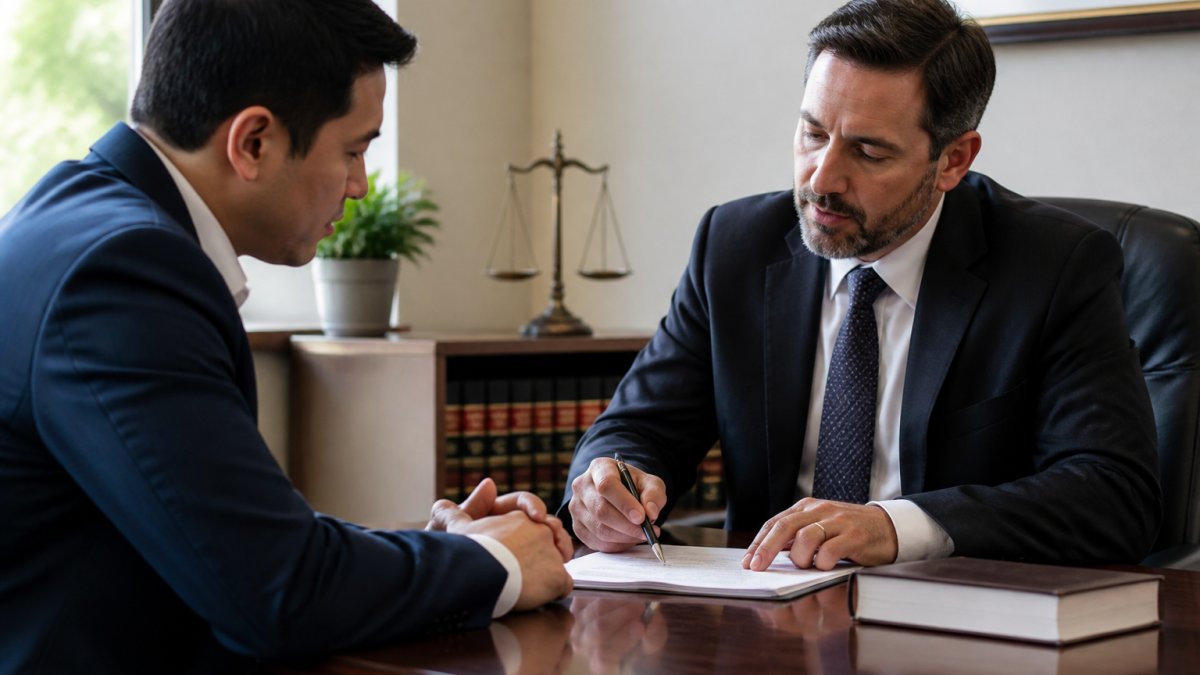
Most consultations last 30 minutes to an hour. The attorney will ask detailed questions about your arrest, the charges, your background, and your goals. Answer honestly.
The attorney will review the documents you brought. They'll ask clarifying questions about the police report, witness statements, and any evidence. Don't worry if you don't understand legal terminology.
Expect the attorney to explain your charges and potential consequences. They'll discuss possible outcomes, from dismissal to conviction and sentencing. This conversation is sobering but necessary.
The attorney will ask about your criminal history, if any. They'll ask about your employment, family situation, and community ties.
At the end, the attorney should explain next steps. What happens in the days and weeks ahead? When's your next court date? What should you do or avoid before then?
Some consultations are free. Others charge a fee, typically applied to your attorney's fee if you hire them. Ask about this upfront.
Confidentiality and Privilege During Initial Consultation
What you say during a consultation is confidential. Understanding this protection matters because it affects what you share.
Attorney-client privilege protects conversations between you and your attorney. This means your attorney cannot disclose what you tell them without your permission.
Privilege applies from the moment you consult an attorney, even before you hire them. A free consultation is protected. A paid consultation is protected.
However, privilege has limits. If you tell your attorney you plan to commit a future crime, that conversation is not protected. Privilege also doesn't protect communications with other people present.
Bring only yourself and anyone essential to your case. A spouse might attend. A family member helping with payment might attend.
Ask your attorney to confirm confidentiality. "Is everything I tell you protected by privilege?" A straightforward yes means you can speak freely.
Don't discuss your case with anyone else. Not family, not friends, not on social media. Privilege only protects conversations with your attorney. Once you tell someone else, that information loses protection.
Van Nuys Crime treats every client conversation as confidential.
Getting arrested or facing criminal charges is terrifying. The questions you ask during your consultation determine whether you have an attorney who truly understands your situation and fights for you.
Frequently Asked Questions
What should I bring to a criminal defense consultation?
Bring arrest documents, police reports, court summons, bail paperwork, any written communication from prosecutors, identification, and a list of questions. If you have prior criminal history or legal documents, include those as well. Write down key dates, names of arresting officers, and circumstances of your arrest. Organize these materials in a folder so your attorney can review them efficiently and provide informed advice about your case.
What questions should I ask about the attorney's criminal defense experience?
Ask how many years they've practiced criminal law, how many cases similar to yours they've handled, their trial record and jury trial experience, and their familiarity with your specific charge type. Inquire about their track record with prosecutors and judges in your jurisdiction, whether they've handled cases at the same court, and what percentage of their practice focuses on criminal defense. Understanding their courtroom experience helps you evaluate whether they're equipped to represent you effectively.
How much does a criminal defense lawyer cost and what payment options are available?
Criminal defense attorney fees vary based on case complexity, charge severity, and whether your case goes to trial. Some attorneys charge flat fees for specific services, while others bill hourly. Ask about payment plans, retainer requirements, and whether they offer flexible arrangements. Discuss what services are included in their fee and what additional costs might arise. Be transparent about your budget so your attorney can explain what representation you can afford and what options are available.
Should I tell my criminal defense lawyer everything about my case?
Yes. Attorney-client privilege protects communications between you and your lawyer, meaning what you tell them is confidential and cannot be used against you. Your attorney needs complete honesty to develop the strongest defense strategy and identify weaknesses in the prosecution's case. Withholding information can undermine your defense. However, understand that privilege only applies to communications with your attorney, not to conversations with other people about your case.