 how-to
Hiring a Criminal Defense Lawyer for Active Warrants
Table of Contents
- Why You Need a Criminal Defense Lawyer for an Active Warrant
- Understanding Arrest Warrants and Bench Warrants
- What to Ask a Criminal Defense Lawyer During Your Consultation
- The Criminal Defense Lawyer Consultation Process
- How to Resolve an Active Warrant With Legal Help
- Warrant Lawyer Cost and Engagement Terms
- Taking Action: Next Steps to Protect Your Rights
- Frequently Asked Questions
Last Updated: October 14, 2026
Why You Need a Criminal Defense Lawyer for an Active Warrant
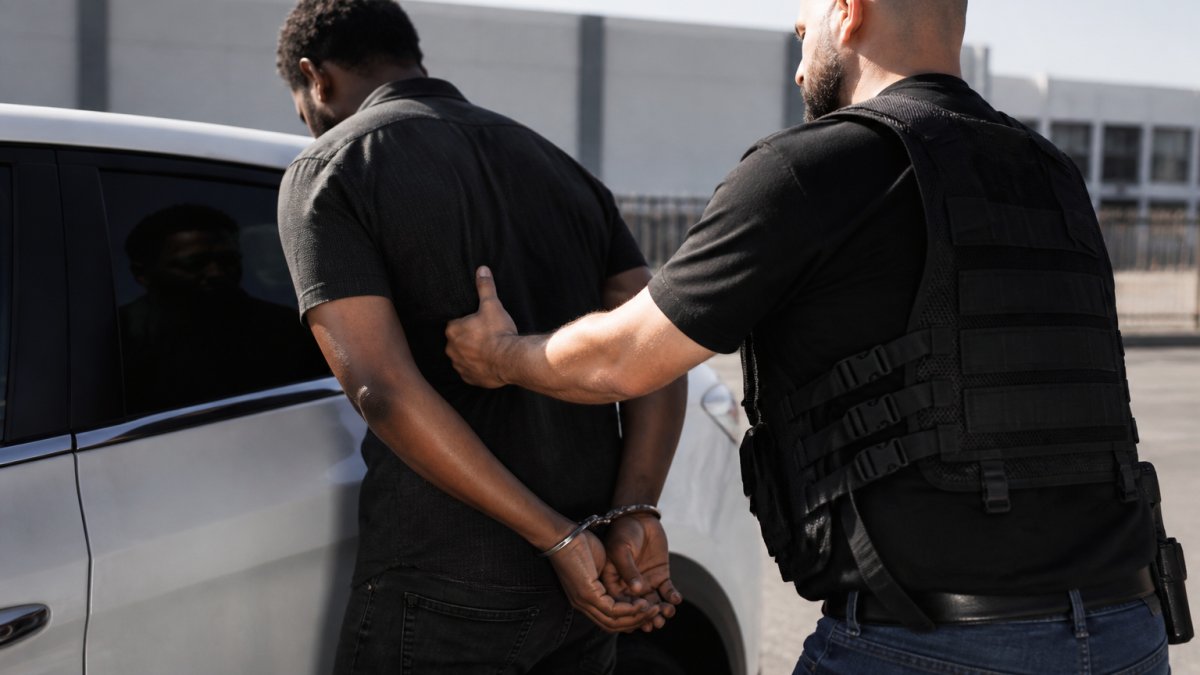
An active warrant is a court order authorizing law enforcement to arrest you. Hiring a criminal defense lawyer for active warrants is the first step to protecting yourself.
This is where hiring a criminal defense lawyer for active warrants becomes essential.
Without counsel you're reactive; with it, you're strategic. An attorney can determine whether the warrant was issued legally, challenge procedural errors, and position you for the best outcome before you're in custody.
Understanding Arrest Warrants and Bench Warrants
Not all warrants are the same, and the type shapes your defense strategy.
Knowing which type you face helps your criminal defense lawyer for active warrants choose the right approach: an arrest warrant may require challenging the evidence behind it, while a bench warrant from a missed date might be resolved by appearing with counsel and explaining the absence.
Failure to appear compounds the problem: you now face the original charge plus a separate FTA offense. Hiding only makes things worse.
An experienced warrant attorney can investigate whether the warrant was properly issued, whether notice was properly served, and whether procedural errors give you grounds to challenge it.
What to Ask a Criminal Defense Lawyer During Your Consultation
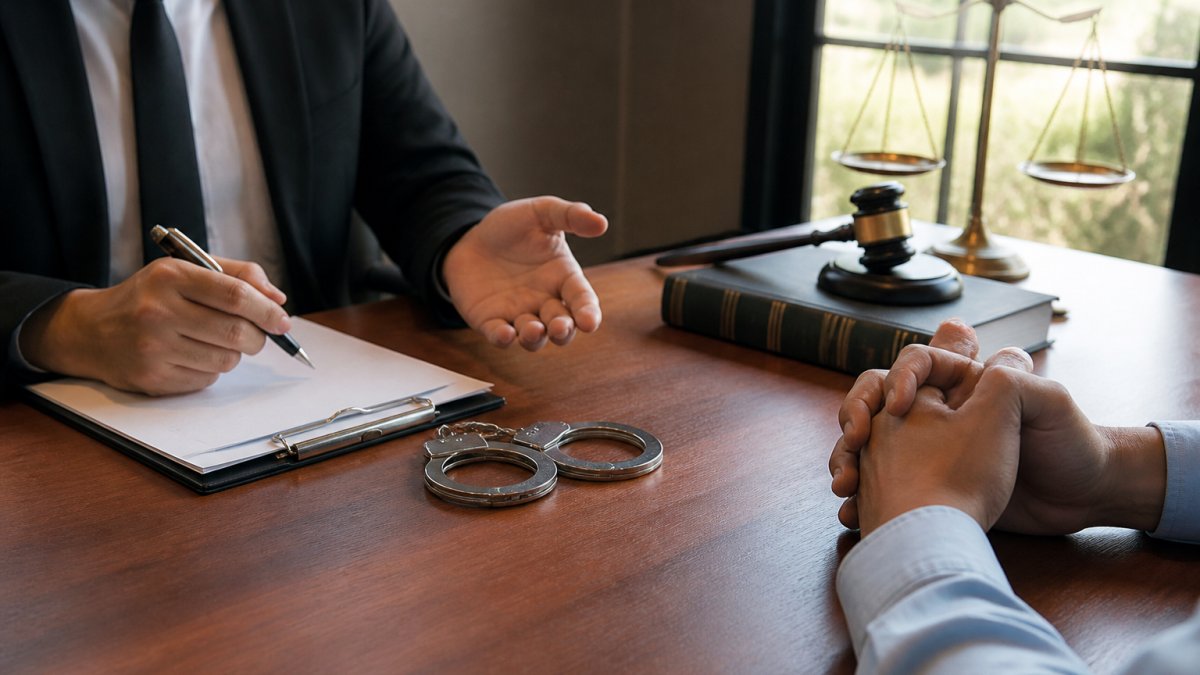
Your initial consultation with a criminal defense lawyer for active warrants is your chance to assess whether they understand your situation and can deliver aggressive representation.
Ask directly: Do you have experience handling active warrant cases in this jurisdiction?
Request clarity on their approach: will they investigate the warrant's validity or assume it's solid and focus on negotiating surrender?
Ask about communication: will you speak directly with the attorney or mainly a paralegal, and how often will you get updates?
Finally, ask about realistic outcomes. An honest attorney explains what's possible given your facts without promising guaranteed results, a specific promise is a red flag.
| Question | Why It Matters | What to Listen For |
|---|---|---|
| Do you have local court experience? | Judges and prosecutors vary by jurisdiction | Specific cases or years in that courthouse |
| What's your approach to warrant challenges? | Determines whether they'll fight or just negotiate | Mention of motions, legal grounds, investigation |
| How do you bill and what's included? | Avoids surprise costs and scope creep | Clear fee structure and trial representation terms |
| How often will I hear from you? | Ensures you stay informed and involved | Direct attorney contact, regular updates |
| What are realistic outcomes for my situation? | Sets expectations without false promises | Honest assessment based on your specific facts |
The Criminal Defense Lawyer Consultation Process
The consultation is your first real chance to evaluate whether a criminal defense lawyer for active warrants is right for you. Many firms offer free or low-cost initial consultations, interview more than one attorney before committing, and treat it like a hiring interview.
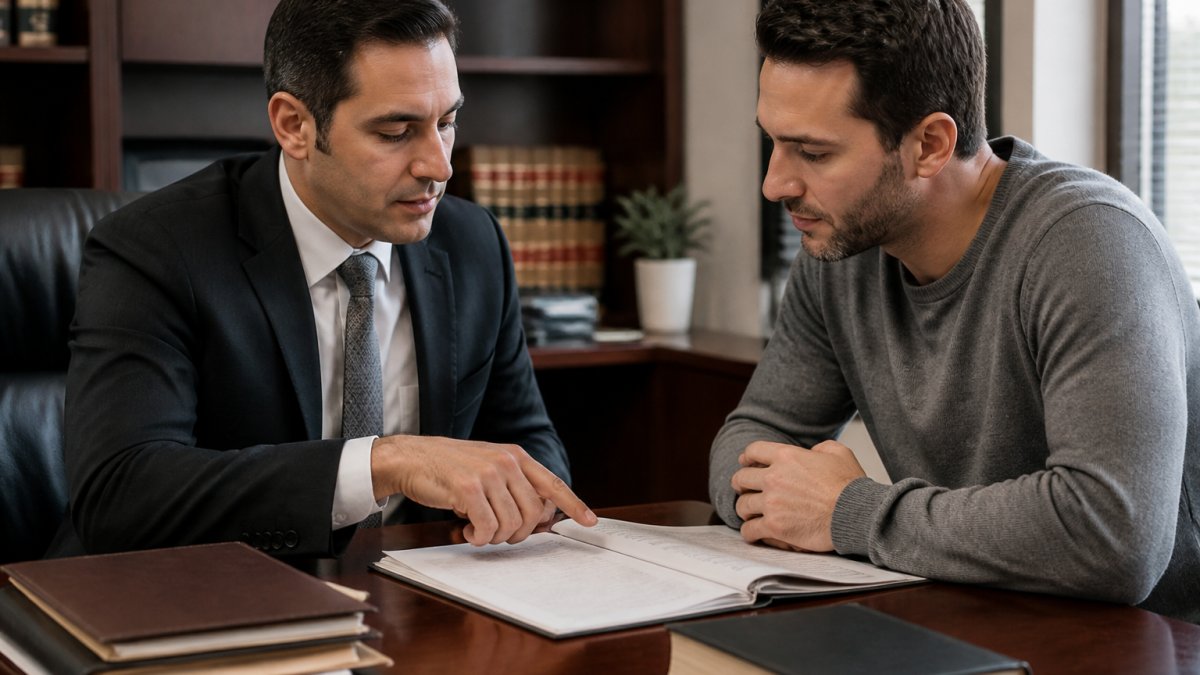
Before you call: gather these items
You'll get far more out of a 30-minute consultation if you arrive organized. Collect what you can:
- The warrant itself, if you have a copy, or the case number and issuing court.
- Any court notices, hearing dates, or mail you received (or missed).
- The underlying charge or citation, if you know it.
Do not contact the police or court clerk yourself to 'check' on the warrant before speaking with counsel, a self-initiated inquiry can create a record or prompt a pickup. Let the attorney verify it through court records first.
Credentials and experience to verify
Ask for specifics, not adjectives. Vague answers like 'I handle a lot of these' are not answers.
- How many active-warrant matters have you handled in the past 12 months? Ask for a number, not a vibe.
- Which courthouses do you appear in regularly? Warrant practice is local. Familiarity with the specific judge, the prosecutor's office, and the clerk's intake process matters more than a statewide reputation.
- Are you licensed and in good standing in this state? You can verify this yourself through your state bar's online attorney lookup, most state bars publish license status, discipline history, and contact information for free.
Questions to ask, and what a strong answer sounds like
| Question | Why It Matters | What a Strong Answer Sounds Like |
|---|---|---|
| How will you verify the warrant before I do anything? | Confirms they know the safe sequence | Names the court, the records system, and the timeline for checking |
| What are my realistic options, recall, quash, surrender, or resolve the underlying case? | Tests whether they think strategically or default to one play | Explains why each option may or may not fit your facts |
| If surrender is recommended, what does that day actually look like? | Surrender mechanics drive bail and custody outcomes | Describes who calls the court, where you go, who is with you, and what to bring |
| How do you bill, and what is included? | Prevents mid-case scope surprises | Gives a clear fee structure and states whether trial is included |
| How often will I hear from you, and through whom? | Communication failures sink warrant cases | Names a cadence and a direct contact |
| What could go wrong? | Honest attorneys name risks | Discusses custody risk, bail, and what happens if the warrant is not recalled |
Red flags
- Guaranteed outcomes. No attorney can promise a specific result. A promise of 'I'll get it recalled' is a warning sign.
- Pressure to pay before any analysis. A legitimate attorney will want to see your documents and check the warrant before quoting a firm number.
- No written engagement agreement. Verbal fee arrangements invite disputes.
How to compare two or three attorneys
After consultations, score each attorney on five axes: local court familiarity, clarity of strategy, fee transparency, communication plan, and honesty about risk. The cheapest quote is rarely the best value, and the most expensive isn't automatically strongest, the attorney with the clearest written plan and most specific local knowledge is usually the right hire.
How to Resolve an Active Warrant With Legal Help
Resolving an active warrant requires strategy, not panic. Your criminal defense lawyer for active warrants will guide you through the paths available for your situation. Here's the practical sequence most warrant matters follow.
Step 1: Confirm the warrant and identify its type
First, your attorney verifies whether a warrant exists and what kind it is, because the process differs:
- Arrest warrant, issued by a judge on probable cause that you committed a crime. Recall usually requires addressing the underlying charge.
- Bench warrant, issued when you missed a court date or violated a court order. Often resolvable by appearing with counsel and showing good cause.
- Failure-to-appear (FTA) warrant, a specific type of bench warrant tied to a missed appearance. Many jurisdictions treat repeat FTAs more seriously and may add separate charges.
Your attorney can check court records directly. Do not call the police or clerk yourself to 'confirm' the warrant, a self-initiated inquiry can create a record or prompt a pickup.
Step 2: Decide the strategy with counsel
Once confirmed, you and your attorney choose among four paths, each with different risks and timelines.
Addressing Underlying Issues. For bench warrants from failure to appear, you appear in court with your attorney, explain the absence (illness, emergency, miscommunication about the date), and ask the court to recall the warrant.
Case Resolution. Sometimes the fastest path is resolving the underlying case, your attorney might negotiate a plea that includes recall of the warrant, or prepare for trial.
Request a Free Case Evaluation →
Step 3: What surrender day actually looks like
If surrender is the plan, the mechanics matter. A typical sequence:
- Counsel contacts the court and prosecutor to arrange a date and time and confirm the warrant will be recalled or addressed.
- You arrive with counsel at the agreed location, often the courthouse, sometimes an intake facility, with identification and any documents your attorney requests.
- Bail is set or argued. Your attorney may argue for release on your own recognizance, low bail, or conditions like a pretrial services check-in.
- Conditions of release are imposed, travel restrictions, no-contact orders, or check-ins. Violating them can reinstate the warrant.
- Next court date is set. Your attorney handles the calendar and tells you what to expect.
What not to do: turn yourself in without counsel, without a plan, or on a Friday afternoon when courts and bail hearings may be delayed.
Step 4: Jurisdiction caveats
Warrant procedure is state- and county-specific. Key variables:
- Whether the court accepts motions to recall by mail, e-filing, or only in person.
- Whether the prosecutor's office has a diversion or pretrial program that can resolve the warrant without custody.
- Whether the underlying charge is a felony or misdemeanor, felony warrants typically carry higher bail and stricter conditions.
Your attorney should tell you which of these applies before you decide anything.
Step 5: After the warrant is resolved
Resolution isn't the end. You'll likely have:
- Ongoing court dates on the underlying charge.
- Conditions of release you must follow.
- A record that may or may not be eligible for expungement or sealing later, depending on your state's law and the outcome of the case.
Ask your attorney at the outset what the end state looks like, not just how to clear the warrant, but what happens to the underlying case and your record afterward.
Warrant Lawyer Cost and Engagement Terms
Cost is a legitimate concern, so discuss it directly.
Engagement terms matter as much as cost.
Be clear about what's included: does the fee cover only warrant-related work or also defense of the underlying charge?
Many firms understand that clients facing active warrants are often in financial stress.
The cheapest attorney isn't always the best value.
Ask for a clear written engagement agreement that spells out fees, scope of representation, and what happens if circumstances change.
Taking Action: Next Steps to Protect Your Rights
If you're facing an active warrant, act now, delay only makes it worse. Here's what to do immediately.
Step 1: Verify the Warrant. Contact a criminal defense lawyer for active warrants and ask them to verify whether a warrant actually exists.
Step 4: Act Decisively. Once you have a strategy, execute it, file motions or prepare for negotiated surrender as recommended.
Step 5: Stay in Communication. Keep your attorney updated.
At Van Nuys Crime, we handle active warrant cases with urgency and precision, investigating the warrant's validity, challenging it where possible, and negotiating aggressively on your behalf to minimize damage to your freedom, reputation, and future.
An active warrant doesn't have to control your life.
Frequently Asked Questions
What should I bring to a criminal defense lawyer consultation about my active warrant?
Bring any court documents you have, arrest records, police reports, and a timeline of events related to your warrant. Include details about when you were first notified of the warrant, any missed court dates, and communications from law enforcement. Write down the names of arresting officers, the court jurisdiction, and your case number if you know it. This information helps your lawyer investigate the warrant's validity and determine the best resolution strategy.
Can a criminal defense lawyer actually help resolve an active warrant?
Yes. A criminal defense lawyer can investigate whether the warrant was issued correctly, negotiate with prosecutors for recall or withdrawal, and arrange a court appearance on your terms rather than through arrest. They can also explore whether the warrant is invalid due to procedural errors or if charges can be dismissed. Your attorney acts as a buffer between you and law enforcement, protecting your rights while working toward resolution.
How much does it cost to hire a warrant lawyer?
Warrant lawyer costs vary based on the complexity of your case, the type of warrant, and whether your matter goes to trial. Fees depend on factors like the severity of charges, investigation requirements, and your jurisdiction. Many criminal defense firms offer free initial consultations to assess your situation and discuss engagement terms. Contact a criminal defense lawyer directly for a quote tailored to your specific circumstances.
What is the difference between an arrest warrant and a bench warrant?
An arrest warrant is issued by a judge based on probable cause that you committed a crime, typically before charges are filed. A bench warrant is issued when you fail to appear in court for a scheduled hearing or violate court orders. Both allow law enforcement to arrest you, but a bench warrant often indicates a missed court date or failure to comply with court requirements. Your criminal defense lawyer can explain which type you're facing and how it affects your case strategy.
Don't wait for law enforcement to find you. Contact Van Nuys Crime for a free consultation and learn how we can help resolve your active warrant. Our team has decades of experience handling warrant cases in this jurisdiction. We'll explain your options clearly, fight for your rights aggressively, and keep you informed every step of the way. Your future depends on the decisions you make today. Let us help you make the right ones. Request a Free Case Evaluation with Van Nuys Crime now.