 blog
blog
Do I Need a Lawyer for First Offense? A Legal Guide
Table of Contents
- Do I Need a Lawyer for First Offense? The Short Answer
- Understanding Your Legal Rights After First Arrest
- DUI vs. DWI: Terminology and What It Means for Your Case
- Potential Consequences of First Offense Convictions
- First Offender Programs and Diversion Options
- First Time DUI Lawyer Cost and Financial Assistance
- How a Defense Attorney Can Protect Your Case
- Checklist: Your First 24 Hours After Arrest
Last Updated: July 20, 2026
Do I Need a Lawyer for First Offense? The Short Answer
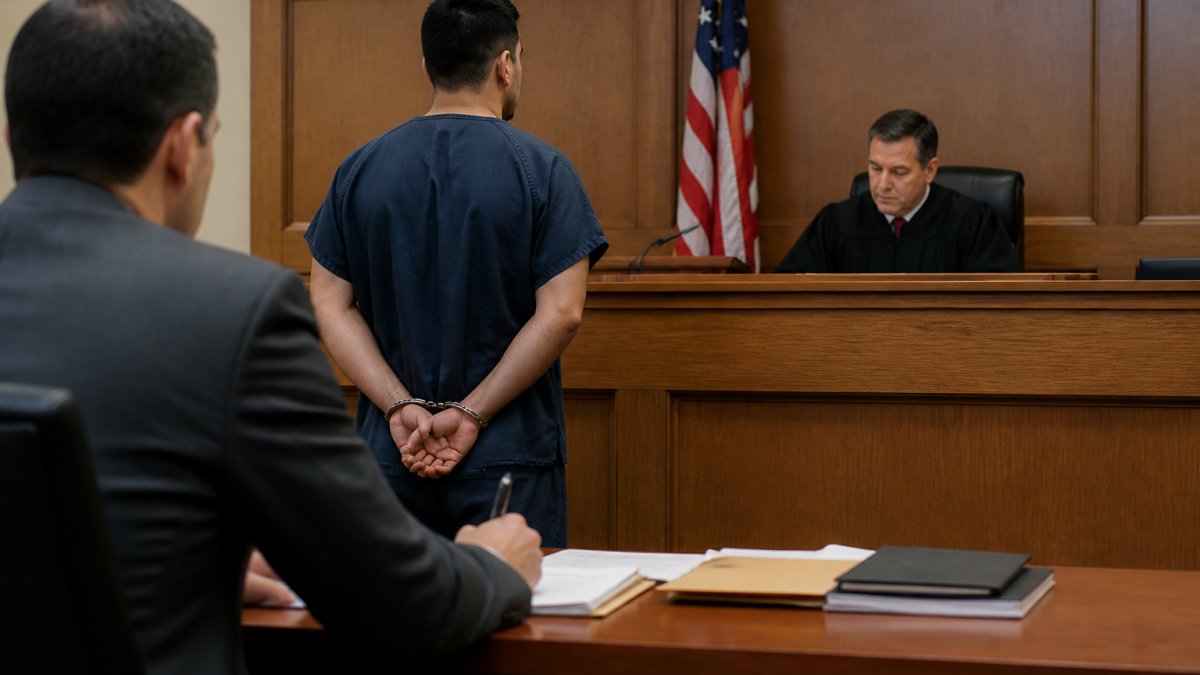
When facing a first offense, hiring a lawyer dramatically improves your outcome. Without legal representation, you're navigating a system designed by professionals against prosecutors with years of experience while handling the emotional weight of your own case. Even for minor offenses, consequences extend far beyond the courtroom to employment, housing, education, and reputation.
A skilled defense attorney identifies weaknesses in the prosecution's case, negotiates for reduced charges, and protects your long-term future in ways self-representation cannot achieve.
Understanding Your Legal Rights After First Arrest
Your constitutional right to legal counsel is one of the strongest protections in the criminal justice system. The moment you're arrested, you have the right to an attorney. If you cannot afford one, the court will appoint a public defender.
Your Right to Legal Counsel
When police arrest you, they must inform you of your Miranda rights, including your right to an attorney. The moment you say "I want a lawyer," police must stop questioning you. This is your strongest protection in the first hours after arrest. Many people waive this right thinking they can talk their way out of trouble, this almost always backfires. Anything you say can and will be used against you.
Arraignment and Court Appearance Procedures
Your first court appearance, called an arraignment, typically happens within 72 hours of arrest. The court informs you of charges, explains your rights, and sets bail or release conditions. This is not the time to plead guilty or negotiate, it's the time to ensure you understand what you're facing and have legal representation.
Many first-time offenders make critical mistakes at arraignment: they speak without counsel present, accept unfavorable bail conditions, or agree to court dates without understanding implications. A lawyer ensures your rights are protected and you don't inadvertently damage your case.
DUI vs. DWI: Terminology and What It Means for Your Case
The terms DUI and DWI carry different legal meanings depending on your state, affecting penalties, defenses, and long-term consequences.
DUI stands for Driving Under the Influence and covers driving while impaired by alcohol, drugs, or both. A DUI conviction typically requires proof that your blood alcohol concentration (BAC) exceeded the legal limit (usually 0.08% for drivers over 21) or that you were impaired by a controlled substance.
DWI stands for Driving While Intoxicated. Some states use this interchangeably with DUI, while others reserve it for more serious impairment offenses or drivers under 21 (where the legal BAC limit is lower). In states that distinguish between the two, a DWI may carry harsher penalties.
Many jurisdictions also recognize OWI (Operating While Intoxicated), which is functionally similar to DUI. The key point: don't assume you understand your charges based on the acronym alone. Your attorney will clarify exactly what the prosecution must prove and what defenses are available.
Potential Consequences of First Offense Convictions
A first offense conviction carries consequences extending far beyond the courtroom. Many people focus only on immediate penalties, fines, jail time, probation, and miss long-term damage to employment, housing, education, and personal relationships.
Criminal Record and License Suspension
A criminal record from a first offense conviction follows you for years. Employers, landlords, educational institutions, and licensing boards all conduct background checks. A conviction can disqualify you from certain jobs, housing applications, professional licenses, and educational opportunities.
License suspension is one of the most immediate and disruptive consequences. For a first DUI offense, your driver's license is typically suspended for 6 months to 1 year. Many states also require an ignition interlock device, which prevents your vehicle from starting if it detects alcohol on your breath. Court fines, mandatory education programs, increased insurance rates, and interlock device costs can total several thousand dollars even for a first offense.
Statutory Penalties and Probation
Statutory penalties for a first offense typically include jail time (often suspended or served on weekends), fines ranging from several hundred to several thousand dollars, probation periods of 3-5 years, mandatory substance abuse education or treatment programs, community service hours, and restitution if anyone was harmed.
Probation terms are often more restrictive than expected. You may be required to submit to random drug and alcohol testing, attend support group meetings, maintain employment, and report regularly to a probation officer. Violating probation can result in jail time and additional penalties.
First Offender Programs and Diversion Options
Many jurisdictions offer first offender programs or diversion options that allow you to avoid conviction entirely if you complete certain requirements. These programs are invaluable for first-time offenders, but only if you know to ask for them and your attorney advocates for them.
Diversion programs allow charges to be dismissed after you complete probation, counseling, community service, or other court-ordered requirements. If you successfully complete the program, charges are dismissed and you may have the arrest sealed or expunged from your record.
First offender statutes in many states allow judges to withhold adjudication of guilt, meaning you're not technically convicted even if you plead guilty or no contest. You still serve probation and pay fines, but avoid a criminal conviction on your record.
Deferred prosecution agreements allow you to defer charges while you complete treatment or counseling. If you comply, charges are dropped.
These options are invaluable because they offer a path to avoiding a permanent criminal record. However, they require negotiation with the prosecution and a judge willing to consider them. A lawyer with courtroom experience and relationships in your local court system is far more effective at securing these opportunities than self-representation.
First Time DUI Lawyer Cost and Financial Assistance
Understanding your options, public defenders, private attorneys, and financial assistance programs, helps you make an informed decision about legal representation.
Public Defender vs. Private Attorney
A public defender is a lawyer appointed by the court if you cannot afford private representation. Public defenders are licensed attorneys with criminal law experience, but typically carry heavy caseloads, meaning less time for individual cases.
A private attorney dedicates more time to your case and can pursue aggressive defense strategies. Private attorneys often have more flexibility in schedules and can negotiate more effectively with prosecutors. For a first offense, costs typically range from reasonable flat fees to hourly rates.
Attorneys with deep roots in the local courthouse and relationships built over decades of practice can negotiate outcomes that newer attorneys cannot achieve.
Pro Bono Resources and Payment Plans
If cost is a barrier, explore these options:
- Law school clinics often provide free or low-cost representation to first-time offenders
- Legal aid organizations may offer free services if you meet income requirements
- Payment plans allow you to pay fees over time
- Public defender is your right regardless of ability to pay upfront
Don't let cost prevent you from getting representation. A public defender is far better than representing yourself.
How a Defense Attorney Can Protect Your Case
A defense attorney systematically dismantles the prosecution's case by identifying weaknesses, challenging evidence, and protecting your rights at every stage.

Evidence Suppression and Defense Strategy
The prosecution's case depends on evidence: field sobriety tests, breathalyzer results, blood tests, witness statements, and police reports. A skilled defense attorney examines each piece for legal and procedural violations.
Field sobriety tests are notoriously unreliable, subjective, influenced by physical condition and environmental factors, and often administered improperly. A lawyer can challenge their admissibility.
Breathalyzer machines require proper calibration and maintenance. If police failed to maintain the device correctly, results can be suppressed. Blood tests must follow strict chain-of-custody protocols. Any deviation renders evidence inadmissible.
Police conduct is also scrutinized. Was there probable cause for the traffic stop? Did police violate your rights during arrest? Did they read you your Miranda rights before questioning? Any procedural violation can result in evidence suppression, often eliminating the core of the prosecution's case.
Plea Bargain Negotiation and Dismissal Opportunities
The vast majority of criminal cases are resolved through plea negotiations. A prosecutor might reduce charges, dismiss certain counts, or recommend lighter sentencing in exchange for a guilty plea.
A lawyer evaluates each offer against the strength of the prosecution's case, likelihood of conviction at trial, and potential consequences. Sometimes the prosecution's case is so weak that your attorney can negotiate a dismissal. Sometimes the best outcome is a reduced charge carrying fewer long-term consequences.
Without an attorney, you're negotiating blind. A lawyer with trial experience knows when the prosecution is bluffing and when they have a genuine advantage. For first-time offenders, negotiating a favorable plea or dismissal often means avoiding a criminal conviction entirely.
Checklist: Your First 24 Hours After Arrest
The hours immediately following arrest are critical. Your decisions directly impact your case and rights:
- Remain calm and polite. Do not resist arrest or argue with police.
- Invoke your right to an attorney immediately. Say clearly: "I want to speak with a lawyer." Then stop talking.
- Do not answer questions about the incident. Your attorney will do that.
- Provide basic identification information only. Name, date of birth, address. Nothing else.
- Contact a lawyer or request a public defender. Ask the court to appoint a public defender at your arraignment if you cannot afford counsel.
- Memorize important phone numbers. You may not have access to your phone immediately.
- Request bail or release conditions. Ask for reasonable bail or release on your own recognizance.
- Do not post on social media. Anything you post can be used against you.
- Document everything you remember. Write down details of your arrest and give this to your attorney.
- Comply with all court orders. Attend every hearing and follow all bail conditions.
- Do not contact the alleged victim or witnesses. This can result in additional charges.
- Gather character references. Start thinking about people who can testify to your good character.
| Action | Timing | Why It Matters |
|---|---|---|
| Invoke right to attorney | Immediately after arrest | Stops police questioning and protects your statements |
| Contact lawyer or request public defender | Within 24 hours | Ensures representation at arraignment |
| Document arrest details | First 24-48 hours | Memory is freshest; details help your attorney |
| Comply with bail conditions | Ongoing | Violation can result in additional charges |
| Attend all court hearings | As scheduled | Missing court results in arrest warrant |
| Avoid social media | Immediately and ongoing | Posts can be used as evidence against you |
The criminal justice system is complex, the stakes are high, and the consequences of a conviction extend far beyond the courtroom. A lawyer protects your rights, identifies weaknesses in the prosecution's case, negotiates for better outcomes, and fights to minimize damage to your future.
For first-time offenders, the choice often comes down to public defender versus private attorney. Both are legitimate options. What matters is that you have legal representation from arrest through trial or plea negotiation. Defendants with attorneys secure better outcomes across every type of offense and jurisdiction.
The cost of representation is real, but the cost of conviction, in fines, probation, employment loss, and permanent record, is far higher. Many attorneys offer payment plans, and legal aid organizations exist specifically to help people who cannot afford representation.
At Van Nuys Crime, we've spent decades protecting the rights and futures of first-time offenders. We know the Van Nuys courthouse, the judges, and the prosecutors handling your case. Our team combines aggressive defense strategies with thorough investigation and personalized attention. Request a free case evaluation today and let us explain exactly what you're facing and how we can protect your future.
Frequently Asked Questions
What happens if I go to court for a first offense without a lawyer?
Representing yourself in court without legal counsel significantly increases your risk of unfavorable outcomes. Prosecutors are trained legal professionals, and the courtroom has complex procedural rules. Without a lawyer, you may miss critical opportunities to challenge evidence, negotiate plea bargains, or invoke your legal rights. A first offense conviction without proper defense strategy could result in unnecessary penalties, a permanent criminal record, and long-term consequences affecting employment and housing. An experienced attorney understands how to navigate arraignment procedures, suppress improper evidence, and advocate for your best interests.
Can a lawyer get my first offense charges reduced or dismissed?
Yes, a skilled defense attorney can often negotiate reduced charges or seek dismissal depending on the circumstances. Lawyers examine evidence quality, field sobriety test administration, breathalyzer accuracy, and police procedures for violations. Many first-time cases involve prosecutorial weaknesses or procedural errors that can support a not guilty verdict or lead to plea bargains for lesser charges. First offender programs and diversion options may also eliminate charges entirely if you qualify. Your attorney's knowledge of local prosecutors and judges in your jurisdiction significantly improves the likelihood of favorable outcomes.
Is a public defender sufficient for a first offense, or should I hire a private attorney?
Public defenders are qualified attorneys with courtroom experience, but they often handle heavy caseloads with limited time per client. A private attorney typically offers more personalized attention, thorough investigation, and aggressive defense strategy tailored to your specific circumstances. For serious first offenses like DUI/DWI, a private attorney's focused representation often yields better results through evidence suppression, plea negotiations, and trial readiness. However, financial constraints may make a public defender necessary. Discuss your case details with both options to understand what level of representation fits your situation and budget.
What are the long-term consequences of a first offense conviction?
A first offense conviction creates a permanent criminal record that affects employment, housing, professional licensing, and educational opportunities. Specific consequences depend on the offense type: DUI convictions result in license suspension, mandatory minimums, probation, and increased insurance costs. Misdemeanor convictions may limit career advancement in certain fields. Background checks reveal convictions to employers, landlords, and institutions. Long-term consequences also include difficulty obtaining loans, travel restrictions, and social stigma. Legal representation focused on dismissal, reduction, or first offender programs can minimize or eliminate these lasting impacts, making early attorney consultation critical to protecting your future.
This article was written using GrandRanker