 How-to
Bail Bond Forfeiture Cost: What You Could Owe
Last Updated: November 10, 2026
Quick Summary
Bail bond forfeiture can cost the full face value of the bond, which is far more than the premium. The premium is a nonrefundable fee, usually a percentage of the bond amount, while forfeiture exposes the people who signed to the entire bond amount plus any collateral pledged.
- The premium is a nonrefundable fee and is not returned even if charges are dropped.
- Collateral such as a deed, vehicle title, or savings may be used to cover a forfeited bond.
- Example: a $50,000 bond at 10% costs $5,000 up front, but forfeiture can demand the full $50,000.
- Co-signers and indemnitors can face collection even if they never met the defendant in court.
- Acting quickly after a missed date, with an attorney, may preserve options such as a motion to set aside.
Table of Contents
- Bond Cost Versus Forfeiture Cost: Why the Difference Matters
- What Forfeiture Can Cost: Premium, Collateral, and Full Bond Amount
- Who Gets Forfeited Bail Money and Who Is Liable
- The Bail Bond Forfeiture Hearing and the Bond Forfeiture Warrant
- Bond Forfeiture Jail Time and Other Non-Financial Consequences
- Setting Bond Forfeiture Recovery Steps Into Motion With Your Attorney
- Frequently Asked Questions
When a defendant misses a required court date, the court can declare the bail bond forfeited. A single missed date can turn into a financial problem for families who thought the bond was the end of their costs. Bail bond forfeiture is the legal step where the court takes the full bond amount, and the people who signed for it become responsible for paying.
Forfeiture is different from the premium. The premium is the fee paid to a bail bond company to write the bond, usually a nonrefundable percentage of the bond amount. The forfeiture is the court's demand for the full face value of the bond when the defendant does not show up.
A nonrefundable fee is paid no matter how the case ends. Forfeiture is the larger risk, and it can attach to people who were never in custody at all.
Data on how often this happens is limited, which makes broad estimates of frequency and cost hard to trust.
Watch out: Forfeiture proceedings can move quickly. Waiting to respond can make an already serious problem harder to fix.
Bond Cost Versus Forfeiture Cost: Why the Difference Matters
Most people searching this topic want to know what they will actually pay. The honest answer has two separate numbers, and mixing them up is the most common source of bad financial planning.
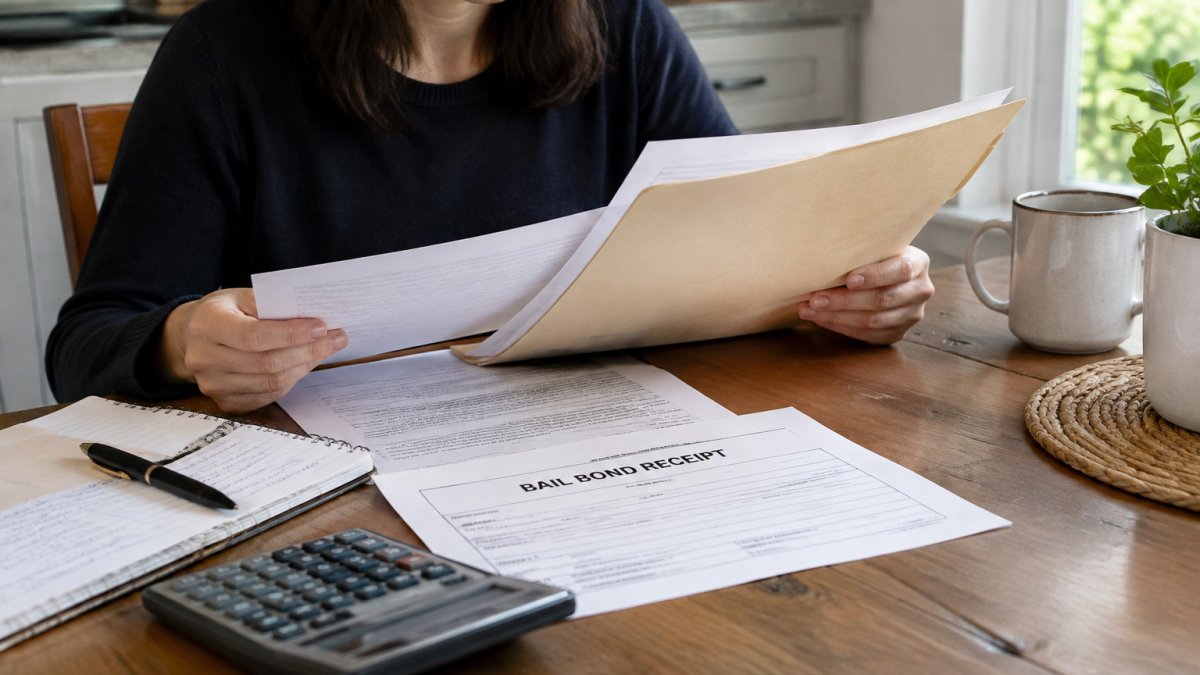
The first number is the bond cost. This is the premium, a nonrefundable fee paid to the bail bond company to write the bond. It is typically set as a percentage of the bond amount. Once paid, it is not returned if the charges are dropped, reduced, or the case ends early.
The second number is the forfeiture exposure. This is the amount the court can demand if the defendant fails to appear and the bond is forfeited. It is not a fee. It is a liability tied to the full face value of the bond, and it can be much larger than the premium.
A simple example shows the gap. Suppose a bond is set at $50,000. At a 10% premium, the up-front cost is $5,000. If the defendant misses a court date and the bond is forfeited, the court can pursue the full $50,000 from the parties who signed. The premium was $5,000; the exposure is ten times that.
The exposure in any single case is not reduced by general averages across many cases, and a forfeiture may still be unaffordable for the family that signed.
Why it matters: a family that budgets only for the $5,000 premium has planned for the smaller number and ignored the larger one.
What Forfeiture Can Cost: Premium, Collateral, and Full Bond Amount
Forfeiture costs come in three layers, and the third one, collateral, is where families most often lose property they did not expect to risk.
The premium is the first layer. It is paid once and is not refunded, even if the charges are later dismissed.
The second layer is collateral. Bail agents commonly require security in addition to the premium. This can be a deed to real estate, a vehicle title, savings, or another asset of equal or greater value. Collateral is held by the bail agent or surety as protection against the bond amount. It is not released simply because the defendant returns to court later on a different date.
The third layer is the full bond amount. If the bond is forfeited and not set aside, the surety owes the court the face value of the bond. Because the surety wants to avoid paying from its own funds, it typically moves to recover from the indemnitor and the collateral.
Here is how collateral is usually liquidated in a forfeiture. After the court orders forfeiture and any period for surrender or a motion to set aside has expired, the surety can demand that the indemnitor pay or surrender the collateral. If the collateral is real estate, the process can involve a lien, a court judgment, and in some cases a sale. If it is a vehicle or cash, the agent may sell it or apply the funds directly. The exact steps depend on the state, the contract signed, and whether the court enters a judgment against the surety.
Watch out: many people assume collateral is returned automatically once the defendant appears later. Check the written agreement for the exact conditions under which collateral is released.
If you are reviewing a bond now, ask the agent to list in writing which assets are pledged, what triggers their release, and what happens to them after forfeiture. Reviewing these terms before signing can help make the cost of a missed date clearer from the start. You can request a free case evaluation to go over your paperwork.
A missed court date does not always end the matter. An attorney may be able to file a motion to set aside the forfeiture, typically arguing that the defendant missed the date for a good reason. Acting quickly, within the window the court allows, can preserve that option.
The article breaks forfeiture costs into three layers, each with a different risk to the family.
| Cost layer | What it is | Key note |
|---|---|---|
| Premium | Fee paid to the bail bond company | Nonrefundable, paid once |
| Collateral | Security such as a deed, vehicle title, or savings | Held as protection against the bond amount |
| Full bond amount | Face value the surety owes the court | Can be far larger than the premium |
Who Gets Forfeited Bail Money and Who Is Liable
Forfeited money does not always go to the court directly, and it does not only fall on the defendant. Liability can reach several people.
- The defendant: responsible for appearing in court.
- The surety or bail bond company: responsible to the court for the full bond.
- The indemnitor: the person who signed to cover losses, often a family member or friend.
- Anyone who pledged collateral: their property may be at risk.
California's official guidance says each county's County Counsel's Office handles the collection of bail bond forfeiture debts (Bail Bonds). The [California Department of Insurance | insurance.ca.gov] explains this process for consumers. If you signed as a co-signer, you may face collection efforts even if you never met the defendant in court.
Know who the county is pursuing before assuming the problem is only the bail agent's.
The Bail Bond Forfeiture Hearing and the Bond Forfeiture Warrant
After a missed court date, the court typically holds a hearing to decide whether to forfeit the bond. Attending that hearing, or having an attorney appear, can change the outcome. If the court still forfeits the bond, it may issue a bond forfeiture warrant tied to the defendant.
Missed dates are the trigger for both steps. Acting quickly gives you more options.
For more on dealing with a warrant, read Bench Warrant and Employment Checks: What to Do Next. For a step-by-step process, see How to Resolve Bench Warrants in Van Nuys: A Step-by-Step Guide.
Bond Forfeiture Jail Time and Other Non-Financial Consequences
Money is not the only cost. A forfeiture can lead to a new arrest. A bench warrant tied to the forfeited bond can result in custody, and that may affect employment, housing, and family life.
- A bench warrant can lead to arrest at any traffic stop or routine check.
- A new arrest can make bail higher the next time.
- A pending warrant can stall a case and reduce options for a plea or trial.
Can a bondsman arrest you for skipping court? That question is answered in detail in Can a Bail Bondsman Arrest You for Skipping Bail?
Setting Bond Forfeiture Recovery Steps Into Motion With Your Attorney
Recovery may be possible, and the earlier you act, the more choices you may have. Talk to an attorney before the court date passes if you can. If a date is missed, call a lawyer right away. Attorneys can request a hearing, argue against forfeiture, and work on setting aside a warrant.
Some people also explore whether release on their own recognizance is possible in future proceedings. How to Get Released on Own Recognizance explains that option.
Criminal defense representation can run from arrest through trial and appeal. Reviewing your bond papers and discussing what forfeiture could cost are steps to take with a qualified attorney. Request a free case evaluation to get started, and learn what to do next for your situation.
Frequently Asked Questions
What happens when you get a bond forfeiture?
When a defendant misses a court date, the judge can order the bond forfeited and issue a bond forfeiture warrant. The surety or bail bond company becomes responsible for the bond amount, and the indemnitor or co-signer may be pursued for repayment. Collection of forfeiture debts is handled by the relevant county office. Forfeiture can also trigger a new arrest warrant and make future release harder, so contact your attorney quickly to ask about setting aside the forfeiture.
Who has to pay when a bail bond is forfeited?
Liability usually falls on the surety, the bail bond company that posted the bond, and on the indemnitor, the person who signed the agreement to repay the company. The defendant can also face consequences. Bond agents may require collateral beyond the premium, which can put a family home or property at risk if a bond is forfeited. The exact allocation depends on the bond contract and court orders, so review your paperwork with an attorney.
Who gets forfeited bail money?
Forfeited bail money generally goes to the county or court, not to the bail bond company or the defendant. Contact the relevant county office for the case-specific status of any forfeiture debt.
Can a bail bond forfeiture be reversed?
A forfeiture can sometimes be set aside or the bond reinstated, typically when the defendant returns to court or shows good cause for missing the appearance. Courts consider the reason for the absence and whether the defendant surrendered. Timing matters, so act quickly after a forfeiture is ordered. An attorney can explain how the process works in your county.