 how-to
What Happens if You Miss Bail: Legal Consequences
Table of Contents
- Immediate Consequences of Missing Bail
- Bench Warrant Consequences and Issuance
- The Bail Bond Forfeiture Process Explained
- How Bail Bondsmen and Co-Signers Are Affected
- Additional Criminal Charges and Legal Liability
- How to Quash a Bench Warrant and Recover
- Impact on Employment, Travel, and Your Future
- Conclusion
Last Updated: August 29, 2026
Immediate Consequences of Missing Bail
Missing a bail hearing triggers immediate legal consequences. When a defendant fails to appear, law enforcement is notified and the judge issues an order to forfeit bail. Between 15 and 25 percent of defendants miss at least one required court appearance, according to eCourtDate.com's 2026 analysis.
If you posted cash bail, that money is forfeited to the court. If a bail bondsman posted the bond, they face financial exposure and will move aggressively to locate you. You've transitioned from "defendant released pending trial" to "fugitive." In many jurisdictions, failure to appear (FTA) becomes its own criminal charge, adding to your legal liability.
Bench Warrant Consequences and Issuance
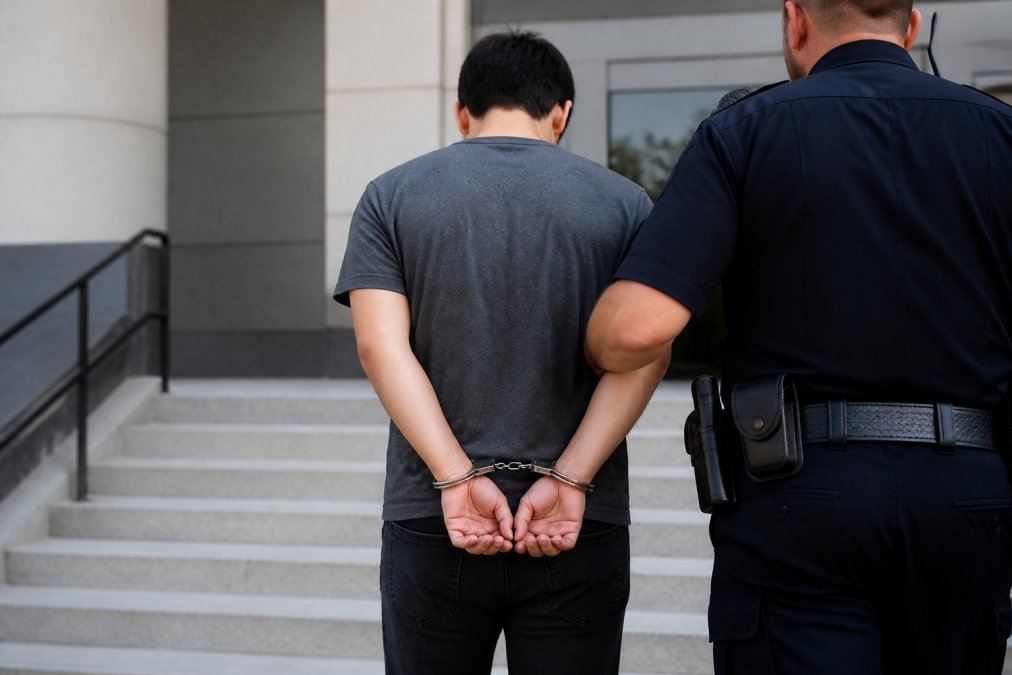
A bench warrant is a court order issued by a judge commanding law enforcement to arrest you and bring you before the court. It comes directly from the judge's bench without requiring a prosecutor or grand jury. The judge simply decides you didn't show up and issues the warrant.

Approximately 7 to 10 million outstanding warrants exist in the United States at any given time, with the majority tied to missed court dates or unpaid fines, according to the Bureau of Justice Statistics. A bench warrant requires only that you failed to appear, the legal bar is lower than an arrest warrant, which requires probable cause that a crime was committed.
Once issued, the warrant stays active indefinitely. It doesn't expire and follows you through interstate databases. Around 22 percent of defendants released prior to trial have bench warrants issued against them for failing to appear, according to research analyzed by EBSCO.
The warrant gives law enforcement discretion to arrest you anywhere, anytime. In some cities, 10 to 15 percent of all arrests are warrant-only arrests, meaning the person was taken into custody solely because of an outstanding warrant, according to eCourtDate.com's 2026 research.
The Bail Bond Forfeiture Process Explained
When you miss bail, the forfeiture process begins immediately. If you posted cash bail directly with the court, that money is forfeited and kept by the court as a penalty.
If a bail bondsman posted the bond, they face financial exposure and will move to seize any collateral pledged as security. The forfeiture notice is typically issued within days. In most jurisdictions, the bondsman has 180 days to locate you and bring you to court. If they succeed, the forfeiture is reversed. If they don't, the bond is forfeited and the court keeps the money.
The bail bondsman may hire a bounty hunter to locate you. They have legal authority to apprehend you and return you to custody. The indemnity agreement you signed when you got the bail bond gives the bondsman broad legal authority to pursue you across state lines and use necessary means to locate you.
How Bail Bondsmen and Co-Signers Are Affected
If you missed bail, a co-signer, typically a family member who pledged their creditworthiness to secure your release, is now liable for the full bond amount. The bail bondsman will contact them immediately with a direct demand: produce the defendant or pay the bond.
Most bail bonds require the co-signer to sign an indemnity agreement, making them personally liable for the bond amount if you don't appear. This liability is enforceable. The bail bondsman can sue the co-signer for the full amount, garnish wages, place liens on property, and pursue collection through the courts.
The co-signer's credit is also affected. Bail bondsmen report unpaid forfeitures to credit agencies, damaging the co-signer's credit score and making it harder to get loans, secure housing, or refinance debt. The damage persists for years.
The bail bondsman's position is also complicated. When you miss bail, they lose money and credibility with the court. Judges become less willing to work with bondsmen who have high failure-to-appear rates. This is why bail bondsmen are aggressive about enforcement, they're protecting their business model.
Additional Criminal Charges and Legal Liability
Missing bail creates new criminal liability. Failure to appear is itself a crime in most jurisdictions. The severity depends on the original charge. If you were released on bail for a felony and missed court, the FTA charge is usually a felony. You're now facing prosecution for a separate offense.
This compounds your legal exposure. You still face the original charges, and now you have an additional criminal count. If you eventually go to trial, the prosecution will use your failure to appear as evidence of consciousness of guilt.
Defendants released on a bail bond were 28 percent less likely to fail to appear than similar defendants released on their own recognizance, according to research by the American Bail Coalition. This statistic reveals that the financial incentive of bail bonds actually works. Missing bail despite that incentive signals to prosecutors and judges that you're a flight risk.
Your criminal record will reflect the failure to appear. Even if your original charges are eventually dismissed, the FTA remains. Employers, landlords, and educational institutions will see that you failed to appear in court.
Request a Free Case Evaluation →
How to Quash a Bench Warrant and Recover
If a bench warrant has been issued against you, recovery is possible. The most effective approach is voluntary surrender with legal representation. This means contacting a criminal defense attorney, having them work with the prosecutor to arrange your surrender, and turning yourself in at a specified time and place.

When you surrender voluntarily with an attorney present, you demonstrate to the court that you're taking the process seriously, avoid the trauma of unexpected arrest, and allow your attorney to negotiate reasonable bail conditions before surrender.
The warrant can be quashed if you can show the court a reasonable excuse for missing the appearance. "Reasonable excuse" generally includes situations where you had no knowledge of the court date, were incapacitated and unable to attend, or circumstances beyond your control prevented your appearance.
"In practice, missing court is often not a deliberate failure or a deliberate choice. It's because people are struggling with various other pressures." -- Jennifer Peirce, Senior Research Associate at Vera Institute
After one year, only 3% of people released on a bail bond were still at large compared to 8% for own recognizance bonds and 10% for those released through a pretrial program, according to the Bureau of Justice Statistics. Acting quickly improves your chances of a favorable resolution.
The warrant return hearing is where the resolution happens. Your attorney presents evidence of your reasonable excuse, the prosecutor responds, and the judge decides whether to quash the warrant and set new bail conditions.
Impact on Employment, Travel, and Your Future
The consequences of missing bail extend far beyond the courtroom. Employment becomes complicated immediately. If you're arrested during work hours, your employment is likely terminated on the spot. Future employers will conduct background checks and see the failure to appear charge.
Professional licenses are at risk. If you hold any license requiring good moral character, a failure to appear charge can trigger suspension or revocation. Travel becomes impossible. You can't leave the jurisdiction without court permission. If apprehended outside your home state, extradition proceedings begin.
Financial stability suffers. If incarcerated pending trial, you lose income while bills continue. Housing becomes precarious, many landlords deny rental applications based on criminal charges. Custody and family law are affected, as family court judges view failure to appear as disregard for court orders. Education is disrupted, with financial aid suspended and graduation timelines pushed back.
National data shows that 25-33% of defendants fail to appear after being released, triggering forfeitures, according to Express Bail Bonds. Living with an outstanding warrant creates constant anxiety and chronic stress that affects mental health, relationships, and your ability to function normally.
Missing bail sets off a cascade of legal and personal consequences extending far beyond the immediate criminal case. A bench warrant is issued, bail is forfeited, co-signers face financial liability, and new criminal charges attach to your record. Your employment, housing, travel, and family relationships are all affected.
The path forward requires immediate action and skilled legal representation. At Van Nuys Crime, we understand the urgency of warrant situations. Our team provides aggressive, personalized representation for cases ranging from minor offenses to serious felonies, including drug, gang, and violent crimes. We work aggressively to quash warrants, negotiate reasonable bail conditions, and protect your future. If you're facing an outstanding warrant or have missed a court date, the time to act is now. Request a free case evaluation to discuss your options and begin resolving this situation before it gets worse.
Frequently Asked Questions
What is the difference between missing a court date and skipping bail?
Missing a court date means you failed to appear when scheduled, which triggers a bench warrant. Skipping bail means intentionally fleeing while released on bail to avoid prosecution. Both result in serious consequences, but skipping bail is treated as a separate criminal offense showing willful evasion. Missing court can be unintentional; skipping bail demonstrates deliberate flight from justice, leading to additional charges and harsher penalties.
Can a bench warrant be issued if I miss a court date?
Yes. A judge can issue a bench warrant immediately after you fail to appear. This warrant authorizes law enforcement to arrest you and bring you into custody. According to research, around 22 percent of defendants released prior to trial have bench warrants issued for failure to appear. The warrant remains active until you surrender or are apprehended, and it can affect your ability to get bail in future cases.
Will I lose my bail money if I miss a court appearance?
Yes, your bail is forfeited if you miss court. The court keeps the money posted as collateral. If a bail bondsman posted the bond, they lose their fee and may pursue you for the full bail amount. Research shows that 25-33 percent of defendants fail to appear, triggering forfeitures. Your co-signer may also face financial liability. To recover bail, you must appear in court and request reinstatement through a bail hearing with the judge.
What should I do immediately if I realize I missed a court date?
Contact your attorney or the court immediately. Do not wait for law enforcement to find you. Voluntarily surrendering shows the court you take the matter seriously and may help when requesting bail reinstatement. Your lawyer can file a motion to quash the bench warrant and request a hearing to explain your absence. Providing a reasonable excuse and demonstrating ties to the community improves your chances of getting bail reinstated. Acting quickly prevents additional charges and shows compliance.
This article was written using GrandRanker