 How-to
How to Handle a Bench Warrant for Failure to Appear?
Quick Summary
A bench warrant for failure to appear is an arrest order a judge issues after you miss a court date, and it stays active until the judge recalls it or the case is resolved. First confirm whether the warrant is active, then contact a criminal defense attorney to ask for a recall or to arrange a planned surrender.
- Confirm the warrant before acting by checking the court docket, the clerk, and the sheriff's office.
- Do not call the police non-emergency line to ask whether you have a warrant.
- Choose one point of contact, an attorney or clerk, to coordinate with the court.
- Do not miss a second court date, since a second failure to appear can add charges.
- Gather notices, texts, medical records, and work or childcare documents explaining the missed date.
Table of Contents
- How to Handle a Bench Warrant for Failure to Appear
- What a Bench Warrant for Failure to Appear Means
- Why Courts Issue Bench Warrants After a Missed Court Date
- The First 24 Hours: A Step-by-Step Decision Path
- How to Verify Whether a Bench Warrant Is Active
- Consequences of Failure to Appear in Court
- How to Quash a Bench Warrant Through Counsel or the Court
- Hiring an Attorney for a Bench Warrant and What to Expect at Surrender
- Booking a Free Case Evaluation to Resolve Your Warrant
- Frequently Asked Questions
How to Handle a Bench Warrant for Failure to Appear
Last Updated: November 16, 2026
A bench warrant for failure to appear is an order from a judge that lets police arrest you because you missed a court date. The warrant stays active until a judge recalls it or the case is resolved. Missing court is serious, but it is often fixable if you act early. (Source: the Judicial Council of California's resources on criminal procedure)
What a Bench Warrant for Failure to Appear Means
A bench warrant is issued by the judge directly, not by a police officer. It is a court order to arrest and bring a person before the court. Failure to appear, often called FTA, is the reason most bench warrants are issued.
Many bench warrants can remain outstanding for years, so the threat of arrest may persist even if no one has come to your door. Even if no one has come to your door, the warrant can still show up during a traffic stop or a background check.
Why Courts Issue Bench Warrants After a Missed Court Date
Courts issue bench warrants because they need the defendant in front of the judge. A missed hearing can stop a case, so the judge may order an arrest to bring it back on track.
Missing court does not always mean someone chose to ignore the court. Missing court often has practical causes. Common barriers include:
- Work schedules that conflict with the hearing
- Transportation problems
- Childcare needs
- Illness or a medical emergency
- Notices that were never received
The First 24 Hours: A Step-by-Step Decision Path
The first day matters less for what you do than for the order you do it in. If you have just learned of a missed date, see what to do if you miss a court date in Los Angeles for location-specific steps.
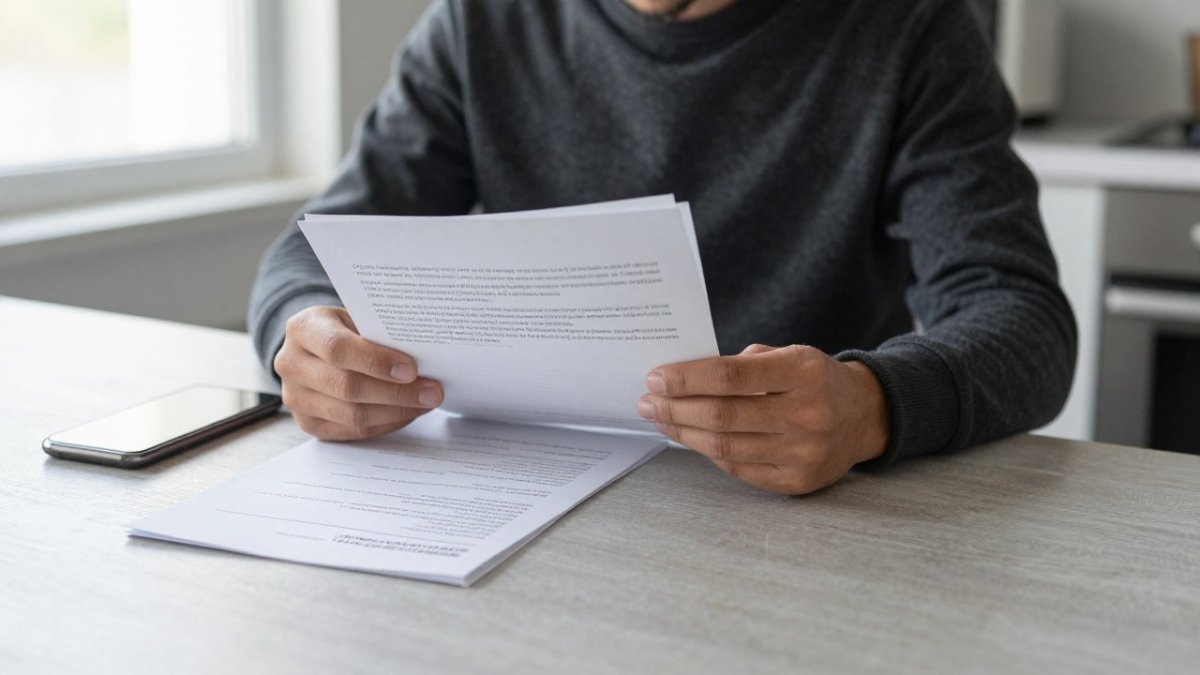
Step 1, Confirm before you act. Do not call the police, do not drive to the courthouse, and do not post on social media about the missed date. Use the verification steps above to confirm whether a warrant exists, the case number, the issuing court, and the bond amount if one is set. Until you have that, every other decision is guesswork.
Step 2, Branch by case type.
- Criminal misdemeanor or felony: Assume the warrant is active and enforceable. Do not drive if your license may be suspended or if a traffic stop could lead to arrest. Contact a criminal defense attorney before you contact the court directly.
- Traffic infraction or citation: Some courts set a fixed bail schedule for failure to appear on a citation and may allow a walk-in appearance or payment to recall the warrant. Ask the traffic clerk whether your court permits this, because the process varies by county.
- Family, civil, or small claims: A failure to appear at a support, custody, or show-cause hearing may produce a civil contempt warrant rather than a criminal one. Confirm the consequences with the division clerk.
Step 3, Decide whether to self-surrender or seek a recall first. If the warrant carries a bond you can post, a recall request through counsel may resolve it without a night in custody. If the warrant is no-bail or the judge has flagged the defendant as a flight risk, a planned surrender with an attorney present is usually safer than being picked up at a traffic stop.
Step 4, Gather the record. Collect every notice, text, email, medical record, work schedule, or childcare document that explains the missed date. Courts do not recall warrants because a defendant is sorry; they recall warrants when there is a concrete reason the absence was not willful and a plan to appear going forward.
Step 5, Make one call, not five. Choose either an attorney or the clerk as your single point of contact and let that person coordinate with the court. Multiple people calling the same courtroom about the same warrant creates confusion and can delay a recall.
Watch out: Do not miss a second court date while you are resolving the first warrant. A second failure to appear can convert a recallable warrant into a no-bail hold and can add a separate charge in many jurisdictions.
Step 6, Plan for the surrender itself. If surrender is the path, ask your attorney what to bring (identification, the case number, any bond paperwork, medication), who will be at the jail, and how long booking typically takes in that county.
The article lays out the first-day steps in order, with the time or frequency each one calls for.
| Step | What to do | Timing or trigger |
|---|---|---|
| Step 1: Confirm before you act | Verify whether a warrant exists, the case number, issuing court, and bond | Before any other decision |
| Step 2: Branch by case type | Identify criminal, traffic, or family/civil path | Before contacting the court |
| Step 3: Self-surrender or recall | Choose recall through counsel or planned surrender | Depends on bond or no-bail status |
| Step 4: Gather the record | Collect notices, texts, medical, work, and childcare documents | Before the recall request |
| Step 5: Make one call | Use a single attorney or clerk as contact | One point of contact |
| Step 6: Plan the surrender | Arrange what to bring, who attends, and coverage | Before going in, not after |
How to Verify Whether a Bench Warrant Is Active
Verification is the step most people get wrong, because a warrant that does not appear in an online search is not proof that no warrant exists. Court records are updated by clerks, and the gap between a judge signing a warrant and that warrant appearing in a public database can range from hours to weeks depending on the county.
Start with the court that handled your case, not with a general search engine. Many courts publish a searchable case lookup or docket. You need three pieces of information before you search: the case number (from any notice, citation, or prior paperwork), the full name exactly as it appears on the case, and the date of birth the court has on file.
Call the clerk's office and ask a specific question. Do not ask "do I have a warrant?" Ask: "Can you tell me whether there is an active bench warrant on case number [X], and if so, what the bond amount is and whether it is a no-bail warrant?" Clerks can often confirm whether a warrant exists and state the bond, though they generally will not give legal advice.
Check the sheriff's office, not just the court. In many counties the sheriff maintains the warrant list and the jail roster. A court docket may show a warrant was issued while the sheriff's site shows whether it has been entered into the arrest database. These are separate systems and can disagree.
Understand what online warrant databases actually are. Third-party sites that aggregate warrant information may be incomplete or out of date. A missing entry on one of these sites means nothing. A positive entry is worth confirming with the court, but do not pay a site to "remove" a warrant, no private service can recall a court order.
Watch out: Do not call the police non-emergency line to ask whether you have a warrant. In some jurisdictions that call may lead to a dispatch check, so route the question through the clerk or your attorney instead. Route the question through the clerk or your attorney instead.
Once you have a confirmed answer, keep a written record of the source, the date, and the exact wording. That record is what your attorney will use to decide whether to request a recall, arrange a surrender, or ask the court to calendar the case.
Consequences of Failure to Appear in Court
A missed court date can lead to several outcomes:
- A bench warrant for your arrest
- Possible bail or bond conditions being revoked
- Additional charges for failure to appear in some cases
- A longer case with more court dates
- Reduced options for negotiation with the prosecutor
The original charge still matters. The failure to appear can be a separate problem on top of it, which is why acting quickly helps.
How to Quash a Bench Warrant Through Counsel or the Court
A warrant can often be addressed without waiting for an arrest. If you need more time or a new date, you can request a court date extension in California as part of resolving it. A criminal defense attorney may:
- Ask the court to add the case to the calendar.
- Request that the judge recall or quash the warrant.
- Explain any valid reason you missed the hearing, such as a medical emergency or lack of notice.
The Farris Law Firm notes that a lawyer may seek to have the warrant recalled, potentially before an arrest. Results depend on the judge and the facts of your case.
Hiring an Attorney for a Bench Warrant and What to Expect at Surrender
An attorney can speak to the court, arrange a surrender, and protect your rights during booking. When you hire a criminal defense lawyer, ask:
- How quickly can you contact the court about my warrant?
- Can you request a recall before I surrender?
- What should I expect at booking and arraignment?
- What are my bail or bond options?
If cost is a concern, look into free or low-cost legal aid in your area before you decide how to proceed.
Booking a Free Case Evaluation to Resolve Your Warrant
If a bench warrant is affecting your life, you do not have to wait. You can request a free case evaluation to review your situation and discuss your options.
Disclaimer: This article is general information, not legal advice. Every case is different. Speak with a licensed criminal defense attorney about your specific situation.
Frequently Asked Questions
Can you bond out on a failure to appear warrant?
It may be possible, but it depends on the judge, the original charge, and whether the warrant is a bench warrant tied to a misdemeanor or felony. Bail or bond conditions are set by the court that issued the warrant, and the amount is not always disclosed in advance. An attorney can request a hearing to address bond, and a bail bondsman can be contacted once the bond amount is known. Verify current bond details with the court clerk before acting, since rules vary by county and case type.
Do you stay in jail for a bench warrant?
Not always. Whether someone is held depends on how the warrant was served, the court's bond decision, and whether there are additional charges. Timing varies, and some people may wait for a warrant hearing before release. Contacting an attorney quickly can help request an early hearing or a recall of the warrant. Outcomes differ by jurisdiction, so confirm the specific procedure in the county where the case is pending.
How does a failure to appear affect your driver's license?
A failure to appear on a traffic citation can lead to a license suspension in some states, and the rules are set by each state's motor vehicle agency and courts. Check with the relevant state agency and the court docket to see whether a hold has been placed on your license. Check your state's DMV record and the court docket to see whether a hold has been placed on your license, and ask counsel how to address it.
Is it possible to clear a bench warrant without going to jail?
It can be possible, depending on the case. An attorney may ask the court to recall or quash the warrant, reset the case on the calendar, or arrange a voluntary appearance, which can sometimes avoid a custody arrest. Outcomes depend on the judge, the charge, and whether the missed hearing had a valid excuse such as a medical emergency. There is no guarantee, so get case-specific advice from a qualified criminal defense attorney as soon as possible.