 listicle
How to Find the Best Criminal Lawyer: 7 Steps
Table of Contents
- How to Find the Best Criminal Lawyer: A Strategic Approach
- What to Look for in a Criminal Defense Attorney
- Questions to Ask a Criminal Defense Lawyer During Consultation
- How to Verify Criminal Defense Attorney Credentials
- Understanding Cost of Criminal Defense Lawyer and Fee Structures
- Finding the Best Criminal Defense Attorney Near Me
- Technology and Case Management: Modern Defense Strategies
- Post-Conviction and Appeals Experience: Planning Beyond Trial
Last Updated: July 19, 2026
Finding the best criminal lawyer can feel overwhelming, especially when facing serious charges that could affect your freedom, reputation, and future. Choosing the right criminal defense attorney isn't just about hiring someone with a law license, it's about finding a strategic partner who knows your local courthouse, understands your specific charges, and will fight aggressively to protect your interests. This guide walks you through seven critical factors: local courtroom experience, trial readiness, credentials, fee transparency, client feedback, communication style, and post-conviction planning.
According to American Bar Association guidance on lawyer selection, clients who vet attorneys carefully across multiple criteria report significantly higher satisfaction with case outcomes and attorney communication. By the end of this guide, you'll have a structured approach to narrow your choices and make a confident decision.
Why Local Courtroom Experience Matters
An attorney with deep roots in your local court system has advantages that no amount of general legal knowledge can replace. They understand how specific judges rule on motions, which prosecutors are willing to negotiate, what plea deals are realistic for your charges, and which courtroom strategies have proven effective in your jurisdiction.
When evaluating criminal defense attorneys, prioritize those with substantial experience in your specific courthouse. A lawyer who has handled dozens of cases in Van Nuys Superior Court, for example, knows the procedural quirks, the judges' preferences, and the relationships that matter. Ask potential attorneys how many cases they've handled in your specific court and what the results were. An attorney who says "I've tried 40+ felony cases in this courthouse over 15 years" carries more weight than one who claims general criminal defense experience across multiple counties.
What to Look for in a Criminal Defense Attorney
The best criminal defense attorney combines trial readiness, strong negotiation skills, transparent communication, and genuine commitment to understanding your circumstances. Start by evaluating whether the attorney has handled cases similar to yours. A drug possession case requires different expertise than a violent crime charge or white-collar offense.
Beyond experience, assess the attorney's approach to client communication. You should feel heard, not rushed. The attorney should explain legal concepts in plain language, outline realistic outcomes, and be honest about weaknesses in your case.
Trial Experience vs. Negotiation Skills
The best criminal defense attorneys excel at both trial preparation and negotiation, but the balance matters. Some attorneys are exceptional trial litigators; others are masterful negotiators who secure favorable plea agreements without trial.
For your case, consider what outcome you're most likely to face. If prosecution evidence is strong, negotiation skills become the priority. If your case has genuine trial potential, trial experience becomes critical. Ask directly: "How many jury trials have you tried in the past three years?" and "What was the verdict?" Attorneys with genuine trial experience will answer without hesitation.
Psychological Fit and Communication Style
You'll be working closely with your attorney during a stressful period. The relationship dynamic matters significantly. Some attorneys are aggressive and combative; others are collaborative and calm. Neither approach is inherently wrong, but the fit with your personality and needs is crucial.
During your consultation, pay attention to how the attorney listens. Do they ask clarifying questions about your case? Do they explain their strategy in a way you understand? Do they seem genuinely interested in your concerns?
Questions to Ask a Criminal Defense Lawyer During Consultation
A good consultation reveals whether an attorney is the right fit for your case. Come prepared with specific questions that address your concerns and allow you to assess their competence and communication style.
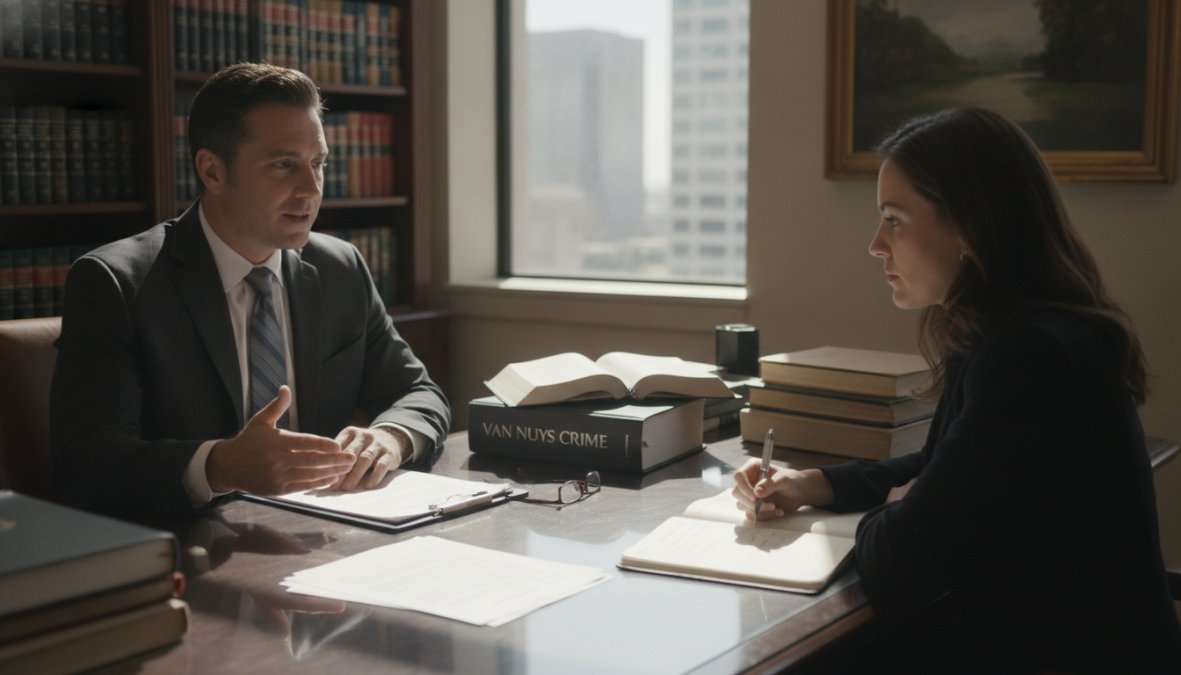
Start with experience questions: "How many cases like mine have you handled?" / "What were the outcomes?" / "How long have you practiced in this courthouse?" Move into strategy: "What weaknesses do you see in the prosecution's case?" / "What's your initial defense strategy?" / "What's a realistic outcome given my charges?"
Ask about communication and process: "How often will we communicate?" / "Will you personally handle my case, or will associates be involved?" / "Will you be in the courtroom if my case goes to trial?" Finally, ask about fees: "How do you charge?" / "What's included in your fee, and what costs extra?" / "Do you offer payment plans?"
How to Verify Criminal Defense Attorney Credentials
Before hiring any attorney, verify their credentials through official channels. A law license and bar membership are non-negotiable, but you should also check for disciplinary history and professional standing.
State Bar Association Records and Disciplinary History
Every licensed attorney is regulated by their state bar association. In California, that's the State Bar of California. You can search their website to verify an attorney's license status, disciplinary history, and any complaints filed against them.
Visit the State Bar of California disciplinary records and search by attorney name. Look for any suspensions, disbarments, or disciplinary actions. A pattern of complaints or serious disciplinary actions is concerning.
Peer Review Ratings and Professional Recognition
Professional rating services provide insight into how other attorneys and judges view a particular lawyer. Services like Super Lawyers and Best Lawyers use peer nomination and evaluation processes to identify top-tier attorneys in their practice areas.
Being listed on these directories indicates professional respect within the legal community. However, absence from these lists doesn't mean an attorney is unqualified.
| Verification Method | What It Shows | Where to Check |
|---|---|---|
| State Bar License Search | Current license status, disciplinary history, restrictions | State Bar of California website |
| Super Lawyers / Best Lawyers | Peer recognition and professional respect | superlawyers.com, bestlawyers.com |
| AVVO Ratings | Client reviews and peer ratings | avvo.com |
| Case Results | Documented outcomes in similar cases | Attorney's website or referral |
| Professional Memberships | Involvement in legal organizations | NACDL, local bar associations |
Understanding Cost of Criminal Defense Lawyer and Fee Structures
Criminal defense fees vary widely based on case complexity, attorney experience, and your location. Understanding how attorneys charge prevents financial surprises and allows you to compare options fairly.
Retainer Agreements and Billing Transparency
Most criminal defense attorneys charge either a flat fee or a retainer agreement. A flat fee means you pay one lump sum for the entire case. A retainer agreement means you pay an upfront amount that the attorney draws against as they work on your case, billing at an hourly rate.
Request a written fee agreement that spells out exactly what's covered. Does the fee include investigation, expert witnesses, trial preparation, and trial itself? What costs are separate, court filing fees, investigator fees, expert witness fees?
Payment Plans and Fee Transparency Checklists
If you can't afford the full fee upfront, ask about payment plans. Many criminal defense attorneys work with clients to structure payments over time.
When comparing attorneys, use this fee transparency checklist:
- Written fee agreement provided before you hire
- Clear explanation of what's included in the quoted fee
- Itemized list of costs that are separate from attorney fees
- Payment plan options if you can't pay the full amount upfront
- Billing transparency, will you receive itemized invoices?
- Explanation of what happens if your case takes longer than expected
Finding the Best Criminal Defense Attorney Near Me
Narrowing your search to attorneys in your area is the logical starting point. Several directories and resources help you identify qualified criminal defense lawyers near you.
Using Directories and Online Resources Effectively
Start with Justia Lawyer Directory, which allows you to search by legal issue and location. You can filter for criminal defense attorneys in your county and review their profiles, ratings, and client reviews in one place.
Other useful directories include FindLaw, Nolo, and LegalMatch. For attorneys specifically dedicated to criminal defense, search the National Association of Criminal Defense Lawyers directory. NACDL members are committed to criminal defense as their primary practice, which often indicates deeper specialization.
Don't rely solely on directories. Ask friends, family, or colleagues if they've worked with criminal defense attorneys they'd recommend. Personal referrals often lead to better matches than algorithm-driven searches.
Evaluating Client Reviews and Testimonials
Client reviews on directories like AVVO, Google, and Justia provide valuable perspective on what it's actually like to work with an attorney. Look for patterns in reviews rather than individual comments. Do multiple clients mention that the attorney was responsive and communicative? Do several reviews note that the attorney was honest about outcomes?
Pay special attention to reviews from clients facing charges similar to yours. Their experience is more relevant than reviews from people with completely different cases.
Technology and Case Management: Modern Defense Strategies
The best criminal defense attorneys use technology to strengthen their cases and keep clients informed. Ask potential attorneys about their technology infrastructure. Do they use secure client portals where you can access case documents and communicate confidentially? Do they use digital evidence management systems to organize police reports, witness statements, and discovery materials?
Technology doesn't replace legal skill, but it amplifies it. An attorney who uses digital tools effectively can manage complex cases more thoroughly and keep you better informed.
Post-Conviction and Appeals Experience: Planning Beyond Trial
Even before trial, think about appeals. If convicted, you'll have limited grounds for appeal, and the attorney who tried your case may not be the best choice for appellate work. Ask whether your attorney has appellate experience or maintains relationships with appellate specialists.
Understanding post-conviction options, including sentence modifications, expungement, and appeals, helps you make informed decisions about plea negotiations. An attorney who explains these options upfront demonstrates comprehensive case thinking.
Choosing the best criminal lawyer is one of the most important decisions you'll make during a legal crisis. The attorney you select will directly influence your freedom, reputation, and future. Van Nuys Crime brings decades of combined courtroom experience, personalized legal representation, and aggressive defense strategies to every case. We identify weaknesses in the prosecution's case, develop customized defense strategies based on your unique circumstances, and negotiate relentlessly for reduced charges or dismissals. If you're facing criminal charges, request a free case evaluation from Van Nuys Crime today and learn how we can protect your rights and fight for the best possible outcome.
Frequently Asked Questions
What qualities should I look for in a criminal defense attorney?
Look for attorneys with extensive courtroom experience, proven trial readiness, strong negotiation skills, and deep familiarity with your local courthouse. Verify state bar association credentials, check for disciplinary records, and assess their communication style. A great criminal lawyer combines aggressive defense strategy with transparent client communication, thorough investigation capabilities, and a track record of identifying weaknesses in the prosecution's case. They should also demonstrate psychological fit, someone who listens to your concerns and customizes their defense strategy to your unique circumstances.
How much does a criminal defense lawyer cost, and what payment options are available?
Criminal defense lawyer fees vary based on case complexity, charges, and location. Most firms use retainer agreements where you pay upfront for a set number of hours, with billing rates depending on attorney experience and your jurisdiction. Some offer payment plans to accommodate clients facing financial strain after arrest. Before hiring, request a fee transparency checklist detailing hourly rates, retainer amounts, and what services are included. Always ask about additional costs for investigations, expert witnesses, or appeals. Discuss payment plan options upfront if budget is a concern, many reputable firms work with clients on flexible arrangements.
What questions should I ask a criminal defense lawyer during a free consultation?
Ask about their specific experience with your charge type (misdemeanor or felony), their trial experience versus negotiation focus, and their familiarity with your local courthouse and judges. Inquire about their case evaluation process, how they investigate police reports, and their strategy for identifying weaknesses in the prosecution's case. Ask about communication, how often will they update you and through what channels? Request information about their fee structure, retainer agreement terms, and payment plan options. Finally, ask about their post-conviction and appeals experience, and whether they'll fight aggressively or primarily negotiate deals. These questions reveal both competence and whether you have good psychological fit.
How can I verify a criminal defense attorney's credentials and experience?
Start by checking your state bar association records for any disciplinary history or complaints. Review peer review ratings on platforms like Super Lawyers, Best Lawyers, Martindale-Hubbell, and AVVO. Look for professional memberships in organizations like the National Association of Criminal Defense Lawyers (NACDL). Read client testimonials and case results carefully, watch for patterns in outcomes. Ask the attorney directly about their trial experience, courtroom wins, and familiarity with local judges and prosecutors. Request references from past clients if possible. Verify they maintain attorney-client privilege and professional conduct standards. A truly qualified attorney will welcome credential verification and provide transparent information about their background and experience.
What's the difference between a public defender and a private criminal defense attorney?
Public defenders are court-appointed, free attorneys for those who cannot afford private counsel. While many public defenders are skilled, they often carry heavy caseloads, limiting personalized attention to your case. Private criminal defense attorneys typically dedicate more time to thorough investigation, developing customized defense strategy, and aggressive courtroom advocacy. Private firms often have more resources for expert witnesses and investigators. However, availability and experience vary widely in both categories. If you qualify for a public defender but have concerns about representation, discuss your case thoroughly with them. If you can afford private counsel, research credentials carefully to ensure you're getting aggressive, experienced representation committed to protecting your rights and reputation.
This article was written using GrandRanker