 ultimate-guide
California Gang Enhancement Laws 2026: A Complete Guide
Table of Contents
- Understanding California Gang Enhancement Laws 2026: What Changed
- California Penal Code 186.22: The Foundation of Gang Enhancement Charges
- AB 333 Gang Enhancement Changes: What You Need to Know
- Gang Enhancement Sentencing in California: Penalties and Consequences
- Defenses Against Gang Enhancement Charges in California
- The Role of Your Defense Attorney in Gang Enhancement Cases
- Common Misconceptions About Gang Enhancement Laws
- Your Next Steps: Building Your Defense Strategy
Last Updated: July 20, 2026
Understanding California Gang Enhancement Laws 2026: What Changed
California gang enhancement laws shifted significantly with AB 333, which fundamentally altered how courts handle gang allegations and sentencing. A gang enhancement can add 10, 15, or even 25 years to your sentence. Gang enhancements don't require gang membership or a serious violent felony, prosecutors only need to prove, beyond a reasonable doubt, that you committed a crime to benefit a criminal street gang.
Why These Laws Matter to Your Defense
Gang enhancements exist in California Penal Code Section 186.22, written broadly enough to catch behavior with minimal connection to organized gang activity. A prosecutor can argue that almost any felony, theft, assault, drug sales, or vandalism, was committed to benefit a gang. The consequence is mandatory minimum sentencing that runs consecutive to your base sentence. Research shows gang enhancements disproportionately affect young men of color in California, with prosecutors alleging gang involvement in cases where the connection to organized criminal activity is tenuous.
California Penal Code 186.22: The Foundation of Gang Enhancement Charges
California Penal Code 186.22 governs gang enhancements. Subsection (a) defines participation in a criminal street gang, requiring three elements: a common name, a common identifying sign or symbol, and members who engage in a pattern of criminal gang activity, at least two separate acts of gang crimes committed within three years of each other.
The gang enhancement under PC 186.22(b) requires prosecutors to prove you committed the underlying crime with specific intent to promote, further, or assist in any criminal conduct by gang members. You don't have to be a gang member yourself or commit a violent crime. A drug sale becomes a gang crime if sold in gang territory; an assault becomes gang-related if the victim was from a rival gang. These connections are often circumstantial, and that's where your defense begins.
How Prosecutors Use Penal Code 186.22 Against You
Prosecutors use PC 186.22 strategically to pressure defendants into guilty pleas. They'll allege gang involvement at arrest, knowing the enhancement allegation will terrify you and your family. The threat of an extra 10 or 15 years becomes leverage to accept a plea deal you wouldn't otherwise consider.
Police gang databases fuel this process. A detective can testify that you're a gang member based on clothing, tattoos, where you live, or people you associate with. These databases are notoriously unreliable, many people are listed based on single police encounters or community tip-offs with no corroboration. Once listed, you become a convenient gang-related defendant for future prosecutions.
AB 333 Gang Enhancement Changes: What You Need to Know
AB 333, effective January 1, 2022, fundamentally changed how California courts handle gang enhancements. The most significant change is bifurcation: the gang enhancement allegation must be tried separately from the underlying crime, preventing prosecutors from using gang evidence to prejudice the jury's verdict on guilt or innocence.
AB 333 also raised the standard of proof for gang enhancements to beyond a reasonable doubt, the same standard as the underlying crime. Courts now have authority to strike gang enhancements in the interests of justice under PC 1385. Additionally, defendants previously sentenced under the old gang enhancement rules may petition to recall their sentence if convicted before January 1, 2022.
Bifurcation and Your Right to Challenge Gang Allegations
Bifurcation means the gang allegation goes to a separate jury trial or is decided by the judge in a bench trial. This separates the emotional and prejudicial aspects of gang evidence from the factual question of whether you committed the underlying crime.
Before bifurcation, prosecutors could present gang evidence, testimony about gang violence, and gang symbols to the same jury deciding whether you committed a theft or drug sale. That evidence would inevitably prejudice the jury against you. Bifurcation eliminates that prejudicial effect.
In the bifurcated trial, the first jury decides guilt or innocence on the underlying crime. Only if they find you guilty does the second trial proceed on the gang enhancement allegation. If the first jury acquits you, the gang enhancement allegation disappears entirely.
Gang Enhancement Sentencing in California: Penalties and Consequences
Gang enhancement sentencing in California is severe. The base enhancement is 10 years added to your sentence for most felonies. If the underlying crime is a serious violent felony, the enhancement increases to 15 years. For certain violent crimes like murder or attempted murder, the enhancement can be 25 years to life.
These enhancements run consecutively, not concurrently. If you're sentenced to 5 years for the underlying crime and receive a 10-year gang enhancement, you serve 15 years total. Once a gang enhancement is proven, the judge must impose the mandatory minimum unless they find extraordinary circumstances and strike the enhancement under PC 1385.
Mandatory Minimums and Sentencing Guidelines
Mandatory minimum sentences for gang enhancements are non-negotiable once the enhancement is proven. California law provides no flexibility. This inflexibility is why challenging the gang enhancement itself, before sentencing, is critical. Every year of your sentence matters.
Some judges use PC 1385 to strike enhancements in cases where they believe the enhancement is unjust. Your attorney needs to present a compelling argument that the gang allegation, while proven, doesn't reflect your actual culpability.
Post-Conviction Consequences Beyond Prison Time
A gang enhancement conviction carries consequences extending far beyond your prison sentence. Background checks will reveal the gang enhancement allegation, affecting employment opportunities for the rest of your life. Housing is another major consequence, landlords often deny housing to anyone with gang-related convictions. Immigration consequences are severe if you're not a U.S. citizen. Professional licensing is affected; a gang-related conviction will likely disqualify you from law, medicine, nursing, teaching, or other licensed professions.
Defenses Against Gang Enhancement Charges in California
Effective defenses attack the prosecution's evidence on multiple fronts. The most common defense challenges the definition of the criminal street gang itself. Prosecutors must prove the gang has a common name, common identifying symbols, and a pattern of criminal activity. If the prosecution can't establish all three elements, the gang enhancement fails entirely.
Your attorney can challenge the prosecution's gang expert testimony, which is often based on speculation, stereotypes, and unreliable police databases rather than actual evidence. Cross-examination frequently reveals that opinions are based on minimal personal knowledge, outdated information, or biased assumptions.
Challenging Gang Membership and Association
A critical distinction exists between being a gang member and committing a crime that benefits a gang. The gang enhancement doesn't require gang membership; it requires that you committed the crime with intent to promote gang activity. But prosecutors often blur this line, using evidence of gang association or symbols to suggest you're a member.
Wearing certain colors, having certain tattoos, living in a particular neighborhood, or associating with known gang members does not prove gang membership. Each factor is circumstantial and requires context. Tattoos might be cultural symbols or family tributes. Living in gang territory doesn't prove gang membership, many neighborhoods have gang presence, but people live there for housing affordability or employment proximity.
Attacking the Predicate Acts and Evidence
The prosecution must prove that the criminal street gang committed at least two separate acts of gang crimes within three years of each other. If the prosecution's predicate acts are weak or don't actually constitute gang crimes, the entire gang enhancement collapses.
Your attorney should scrutinize the predicate acts closely. Did those crimes actually occur? Were they committed by members of the alleged gang? Were they committed with intent to benefit the gang? Many predicate acts are based on police reports or arrest records rather than convictions. A police report doesn't prove someone actually committed a crime.
The Role of Your Defense Attorney in Gang Enhancement Cases
Your defense attorney's role in a gang enhancement case is fundamentally different from defending the underlying crime. A skilled defense attorney will file a motion to bifurcate under AB 333 immediately. This separates the gang allegation from the underlying crime and prevents prosecutors from using prejudicial gang evidence to influence the jury's verdict.
Your attorney should also investigate the prosecution's gang expert. What's their training? What's their bias? Have they testified in other cases? Many gang experts are police detectives with minimal formal training in criminology or gang sociology. Discovery is critical, your attorney needs to obtain all police reports, gang database records, gang expert reports, and evidence the prosecution plans to use.
Common Misconceptions About Gang Enhancement Laws
Many defendants misunderstand how gang enhancements work, which leads to poor decisions and missed opportunities for defense.
The first misconception is that you must be a gang member to face a gang enhancement. This is false. You can face a gang enhancement for any felony if prosecutors can argue you committed it to benefit a gang.
The second misconception is that if you're convicted of the underlying crime, the gang enhancement is automatic. This is false. The gang enhancement is a separate allegation that must be proven separately.
The third misconception is that gang enhancements can't be challenged or reduced. This is false. Under AB 333, judges have discretion to strike gang enhancements in the interests of justice.
Your Next Steps: Building Your Defense Strategy
If you're facing a gang enhancement allegation, your immediate priority is securing experienced legal representation. The decisions you make in the first weeks after arrest will shape your entire case.
First, demand discovery. Your attorney should immediately request all police reports, witness statements, gang database records, and evidence the prosecution plans to use.
Second, file a motion to bifurcate under AB 333. Bifurcation protects your right to a fair trial on the underlying crime by separating the prejudicial gang evidence.
Third, investigate the prosecution's gang expert. Obtain their curriculum vitae, review their prior testimony, and identify weaknesses in their qualifications or methodology.
Fourth, challenge the gang database listing. If you're in a police gang database, demand to know why. The basis for the listing might be weak enough to challenge.
Fifth, gather mitigation evidence. Even if the gang enhancement is proven, evidence of your background, family ties, employment, education, and lack of prior serious criminal history can influence sentencing.
| Defense Strategy | Timeline | Expected Outcome |
|---|---|---|
| File bifurcation motion | Within 30 days of charges | Separate jury trials; prevent prejudicial gang evidence at guilt phase |
| Obtain discovery | Ongoing throughout case | Identify weaknesses in prosecution's gang evidence |
| Challenge gang expert | Before trial preparation | Exclude unreliable expert testimony or limit its scope |
| Investigate predicate acts | During discovery phase | Identify flawed or unreliable gang crimes used to establish pattern |
| File PC 1385 motion | Before sentencing | Convince judge to strike enhancement in interests of justice |
The most important step is finding an attorney with real experience defending gang enhancement cases. You need an attorney who understands the specific vulnerabilities in gang evidence, who knows how to cross-examine gang experts, and who understands the local courthouse and judges.
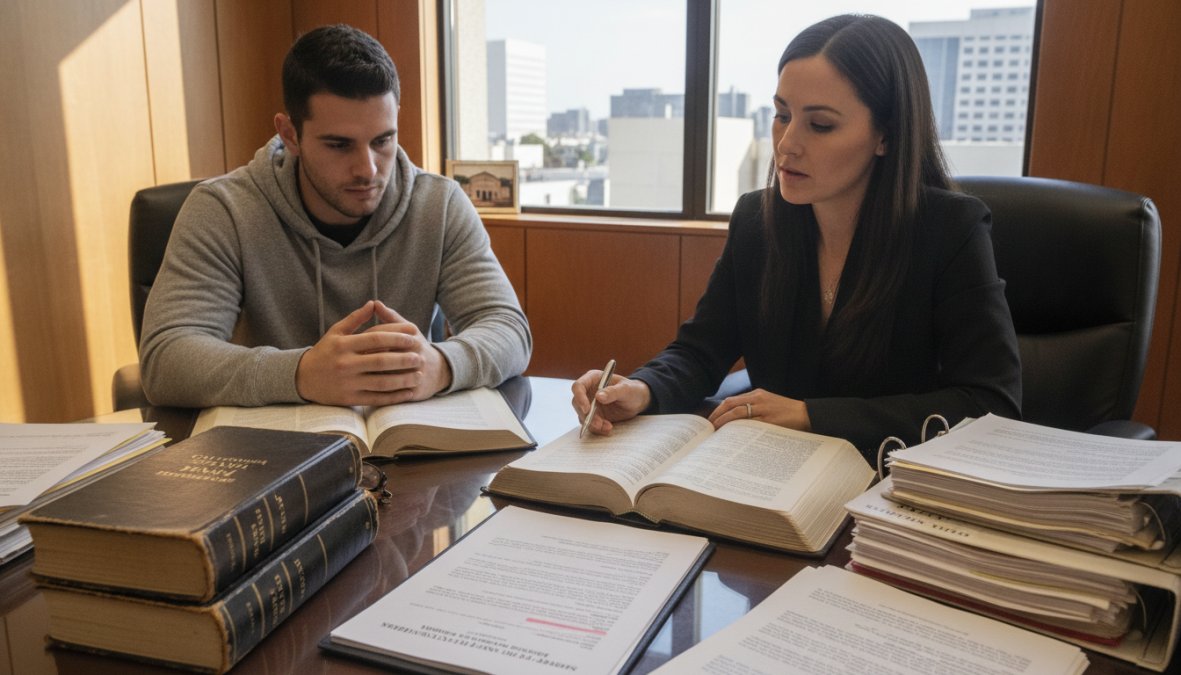
Gang enhancement charges demand aggressive, specialized defense work. The stakes are too high for anything less. Understanding California gang enhancement laws 2026 is the first step toward protecting your rights and your future. According to research from the Sentencing Project on gang enhancement impacts, defendants facing gang enhancements receive sentences averaging 40% longer than comparable defendants without enhancements, even when the underlying crimes are identical.
The law has changed in your favor since AB 333. Bifurcation, prosecutorial discretion to strike enhancements, and the ability to petition for resentencing create opportunities that didn't exist before. But these opportunities only matter if you have an attorney who knows how to use them. When you're facing a gang enhancement allegation, you need an attorney who will fight aggressively to protect your freedom and your future.
Frequently Asked Questions
What is Penal Code 186.22 and how does it define gang enhancements?
California Penal Code 186.22 is the statute that allows prosecutors to add gang enhancement charges to underlying criminal offenses. It applies when you commit a felony for the benefit of a criminal street gang with the specific intent to promote, further, or assist in criminal conduct by gang members. This enhancement can add 15 years to life to your sentence, making it a critical charge to challenge with aggressive legal representation.
How did AB 333 change gang enhancement laws in California?
AB 333 introduced significant protections for defendants, most notably the bifurcation requirement. This means prosecutors must now prove gang allegations in a separate proceeding from the underlying crime trial, rather than mixing them together. You now have the explicit right to challenge gang membership and the specific intent element separately. These changes give defense attorneys stronger opportunities to attack weak gang evidence and protect your rights during trial.
What are the penalties for a gang enhancement conviction in California?
Gang enhancement sentencing in California is severe. A gang enhancement typically adds 15 years to life imprisonment to your underlying sentence, depending on the specific offense. Some enhancements carry 10-year minimums. Beyond prison time, post-conviction consequences include permanent criminal record implications, immigration consequences if applicable, gang database listing, and significant employment and housing barriers. These collateral consequences make fighting the enhancement critical to your future.
Can I be charged with a gang enhancement if I'm not an official gang member?
Yes, this is a common misconception. Prosecutors don't need to prove formal gang membership. Under Penal Code 186.22, they only need to show you committed the crime with the specific intent to benefit a criminal street gang, even if you have no gang affiliation. This is why aggressive defenses against gang enhancement charges must challenge the 'specific intent' element and the gang benefit requirement, which prosecutors often overreach on.
What defenses are available against gang enhancement allegations?
Strong defenses against gang enhancement charges include: challenging whether the gang qualifies as a 'criminal street gang' under the law; attacking the evidence that you acted with specific intent to benefit the gang; questioning whether your crime actually furthered gang activity; disputing gang expert testimony; and challenging police gang database listings. The bifurcation process under AB 333 gives you the right to challenge these elements separately from your underlying charge, which is where experienced defense attorneys find weaknesses in the prosecution's case.
How does bifurcation work in California gang enhancement cases?
Bifurcation means your gang enhancement allegations are tried separately from your underlying criminal charge. First, you face trial on the base crime. If convicted, a second proceeding addresses only the gang enhancement allegations. This separation is crucial because it allows your defense attorney to focus exclusively on attacking gang evidence without the prejudice of the underlying conviction influencing the jury. Many gang enhancements are overturned or reduced during this bifurcated process when prosecutors' gang evidence is scrutinized closely.
What psychological and life impact should I expect from a gang enhancement conviction?
Beyond sentencing, gang enhancement convictions carry profound psychological and practical consequences. You face permanent criminal record stigma, severely limited employment prospects, housing discrimination, educational barriers, and family separation during long sentences. Gang database listing creates ongoing police targeting. Many defendants experience trauma from lengthy incarceration and social reintegration challenges. Understanding these post-conviction consequences is why fighting the enhancement aggressively, rather than accepting a plea deal, often protects your long-term future and mental health.
This article was written using GrandRanker