 ultimate-guide
How Much Does a Juvenile Lawyer Cost in 2026
Table of Contents
- How Much Does a Juvenile Lawyer Cost
- Factors Affecting Criminal Defense Attorney Fees
- Flat Fee vs. Hourly Billing for Juvenile Cases
- Juvenile Public Defender Eligibility and Costs
- Payment Plans for Legal Services
- Hidden Costs Beyond Attorney Fees
- What to Ask a Potential Juvenile Defense Attorney
- Conclusion
- Frequently Asked Questions
Last Updated: September 28, 2026
How Much Does a Juvenile Lawyer Cost
When a young person faces criminal charges, the cost of hiring a juvenile lawyer varies dramatically based on case severity, attorney experience, and location. Understanding these costs upfront helps families make informed decisions during a stressful period.
A juvenile lawyer cost ranges from $1,500 to $15,000 or more, depending on whether you're dealing with a minor status offense or serious felony charges. According to national legal pricing data from Clio, the average hourly rate for juvenile law practice is $135 per hour, the lowest among all practice areas. However, rates vary significantly by region and attorney experience level.
Whether you're considering a public defender, private counsel, or exploring payment options, knowing what to expect financially helps you plan your defense strategy.
Factors Affecting Criminal Defense Attorney Fees
Case complexity is the biggest driver of cost, a simple misdemeanor requires far less work than a serious felony with multiple charges.
The severity of charges matters most. A minor status offense (truancy, curfew violation) might cost $1,500 to $3,000 total. Mid-level charges like simple drug possession or theft could run $3,000 to $8,000. Serious felonies, especially violent crimes, gang-related offenses, or drug trafficking, often exceed $10,000 and can reach $15,000 or more. According to My Rights Law Group's fee analysis, juvenile criminal defense ranges from $3,000 for minor status offenses to $15,000+ for serious felonies.
Attorney experience and location directly impact rates. A newer attorney might charge less per hour, while a veteran could bill more. Metropolitan attorneys typically charge more than those in smaller cities.
Flat Fee vs. Hourly Billing for Juvenile Cases
Flat fee arrangements quote a single price (e.g., $4,500) to handle the entire case from arraignment through resolution. This protects you from unexpected bills, but assumes the case won't become significantly more complex. If new charges are added, you might owe additional fees.
Hourly billing charges you for every hour of work: meetings, court appearances, research, investigation, and phone calls all count. Rates typically range from $100 to $400 per hour depending on attorney experience. According to ZipRecruiter's legal services pricing guide, juvenile defense attorneys bill between $100 and $400 per hour. Hourly billing gives attorneys flexibility to spend necessary time on complex cases, but it creates uncertainty about your final bill.
Many attorneys use a hybrid approach: a retainer agreement where you pay an upfront amount covering an initial period, then hourly rates apply to additional work.
Juvenile Public Defender Eligibility and Costs
Public defenders represent juveniles who cannot afford private counsel. Understanding eligibility and the application process can mean the difference between paying thousands for private counsel and receiving free representation.
Eligibility for Court-Appointed Counsel
You qualify for a court-appointed public defender if your household income falls below a specific threshold, typically 125% to 200% of the federal poverty line. The application process requires submitting financial documentation, tax returns, pay stubs, proof of expenses, to prove indigency to the court.
How to Apply for a Public Defender
The application process: (1) Request a public defender at your child's first court hearing (usually within 72 hours of arrest); (2) Submit detailed financial forms to the public defender's office or court within a few days; (3) Await approval, which may take 1-2 weeks; (4) Once approved, the public defender's office assigns an attorney. Be thorough and honest on financial forms; courts verify information and may deny applications based on misrepresentation.
The Hidden Cost of "Free" Counsel
Even with a public defender, your family may owe significant financial obligations: court administrative fees, detention fees, probation supervision fees, electronic monitoring, drug testing, and restitution to victims.
Pro Bono and Legal Aid Alternatives
If you don't qualify for a public defender (income is slightly above the threshold) or if you want additional representation, pro bono and legal aid organizations may help.
Legal aid societies serve low-income families and sometimes handle juvenile cases directly or refer you to volunteer attorneys. Law school clinics provide free representation or consultation supervised by licensed attorneys. Bar association pro bono programs connect families with volunteer attorneys taking cases for free or reduced fees. Nonprofit organizations like the Juvenile Law Center offer resources and direct representation. Start by contacting your local public defender's office for referrals to these resources.
Payment Plans for Legal Services
Most private attorneys offer payment plans. Retainer agreements with installments spread costs across the case timeline. Some offer fixed monthly payments ($500-$1,000) regardless of hourly work, providing predictability. Others allow pay-as-you-go billing with invoices due within 30 days.
Hidden Costs Beyond Attorney Fees
Court Costs and Filing Fees
Court costs and filing fees cover processing your case through the court system. These fees are often imposed regardless of outcome. You can request a fee waiver or reduction if your family qualifies as indigent; ask the court clerk about waiver procedures.
Expert Witness Costs
Request a Free Case Evaluation →
Expert witnesses charge varying amounts depending on their type. Many cases are resolved without experts, but they become critical when challenging evidence or establishing diminished capacity. Discuss with your attorney whether expert testimony is necessary and cost-justified.
Investigation and Discovery Costs
Investigation costs might add varying amounts: police reports, private investigators, and records requests. Public defenders often have investigators on staff at no additional cost. Ask private attorneys whether investigation costs are included in their flat fee or billed separately.
Detention and Custody Costs
Many jurisdictions charge for detention. Some jurisdictions have eliminated or waive these fees for low-income families. If your child is released on bail or bond, you may need to pay a bail bondsman or post collateral.
Probation Supervision, Monitoring, and Testing Fees
Probation fees accumulate: supervision, electronic monitoring, drug testing, and violation fees. If fees create genuine hardship, request a reduction or waiver from the probation department or court.
Court-Ordered Treatment and Educational Programs
Court-ordered treatment programs generate additional bills: mental health counseling, substance abuse treatment, and educational programs. Some programs are provided at no cost by the court or probation department. Ask whether court-ordered programs are available at no cost before agreeing to participate.
Restitution and Victim Compensation
The court may order restitution, payment to the victim for losses caused by your child's conduct. Restitution covers property damage, medical expenses, and lost wages. Courts typically allow payment plans, but restitution obligations can extend for years.
Transportation and Miscellaneous Costs
Transportation costs matter, especially if your attorney's office is far from home or if your child attends multiple court hearings requiring time off work for parents. Costs include:
- Travel to attorney meetings: Gas, public transportation, or parking.
- Court appearance transportation: Multiple hearings mean multiple trips to court.
- Time off work: Parents may lose wages attending hearings and meetings.
These costs are often overlooked but accumulate significantly over the course of a case.
What to Ask a Potential Juvenile Defense Attorney
Before hiring representation, ask specific questions that reveal whether an attorney will actually fight for your child's interests.
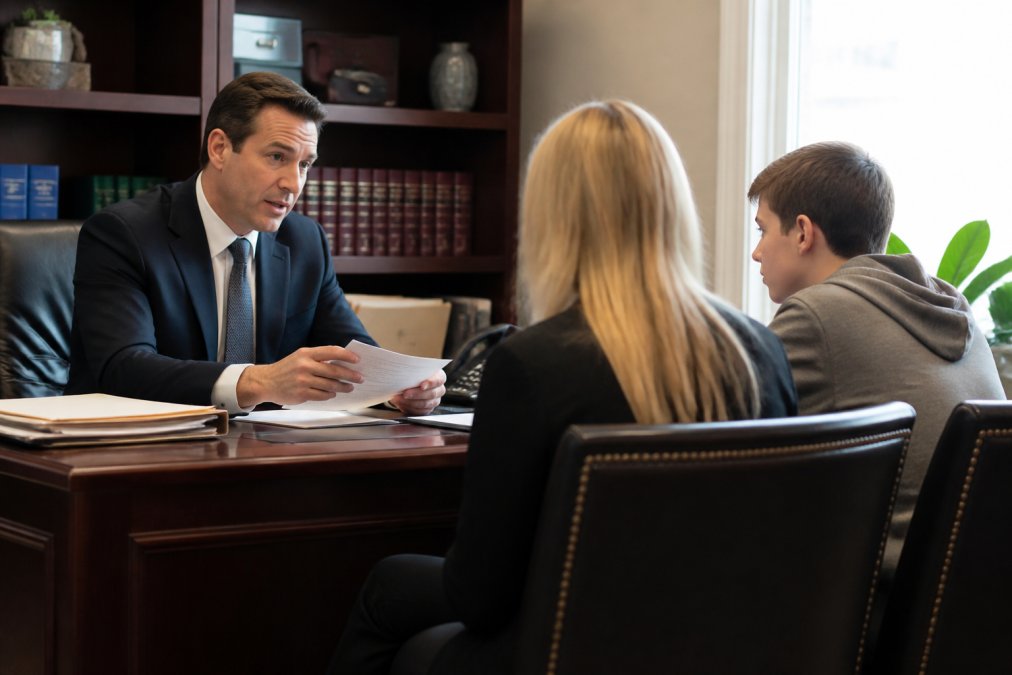
Ask about their experience in juvenile court specifically. How many juvenile cases have they handled? What's their track record on cases similar to your child's charges? An attorney with decades of experience in adult criminal defense might lack juvenile court expertise, these systems operate differently, with different rules and judge philosophies.
Ask whether they'll investigate the case thoroughly.
Conclusion
The juvenile lawyer cost reflects the complexity of the charges, attorney experience, and your location. But cost shouldn't be the only factor in choosing representation. Your child faces life-altering consequences if convicted, making the quality of legal defense critical.
| Cost Factor | Typical Range | What Affects It |
|---|---|---|
| Hourly rate | $100-$400/hour | Attorney experience, location, reputation |
| Flat fee (minor offense) | $1,500-$3,000 | Case simplicity, attorney seniority |
| Flat fee (felony) | $5,000-$15,000+ | Charge severity, trial likelihood |
| Court costs | $200-$1,000 | Jurisdiction, filing requirements |
| Expert witnesses | $1,500-$5,000+ | Type of expert, testimony hours |
| Investigation | $500-$2,000 | Case complexity, evidence needed |
Frequently Asked Questions
Do juveniles have the right to a lawyer?
Yes. The Supreme Court's landmark decision in In re Gault established that juveniles have a constitutional right to legal representation in delinquency proceedings. This means every juvenile facing charges is entitled to timely notice of those charges and access to counsel. If a family cannot afford a private attorney, the court appoints a public defender at no cost to the family.
What factors influence the total cost of a juvenile defense lawyer?
Several factors determine costs: case severity (misdemeanor vs. felony charges), complexity of evidence, number of court appearances, whether the case goes to trial, and your attorney's experience level. Serious felony charges typically involve higher costs, while minor status offenses may cost less. Geographic location also affects pricing; fees vary significantly.
What happens if a family cannot afford a private juvenile defense attorney?
Families who qualify based on financial hardship can request a court-appointed public defender at no upfront cost. However, many jurisdictions impose administrative fees, application costs, and reimbursement requirements even for 'free' counsel. Some courts require families to repay a portion of public defense costs if their financial situation improves. Always ask the court about potential fees before accepting a public defender.
Can I hire a lawyer and pay later?
Many juvenile defense attorneys offer payment plans and retainer agreements structured to fit family circumstances. Some accept partial upfront deposits with the balance due over time, while others work on installment schedules tied to case milestones. Discuss payment options during your initial consultation, most firms are willing to negotiate terms for serious cases. Transparency about your financial situation helps attorneys design arrangements that work for your family.