 how-to
What Happens at a Van Nuys Court Hearing: A Step-by-Step Guide
Table of Contents
- Understanding the Van Nuys Court Hearing Process
- How to Look Up Van Nuys Court Cases Before Your Hearing
- Van Nuys Misdemeanor Court Procedure: What to Expect
- What to Wear to Court in California and Courtroom Etiquette
- Step-by-Step: Preparing for Your Van Nuys Court Hearing
- Remote Appearance Options and Courthouse Logistics
- Common Mistakes to Avoid at Your Hearing
- Conclusion
Last Updated: August 7, 2026
Understanding the Van Nuys Court Hearing Process
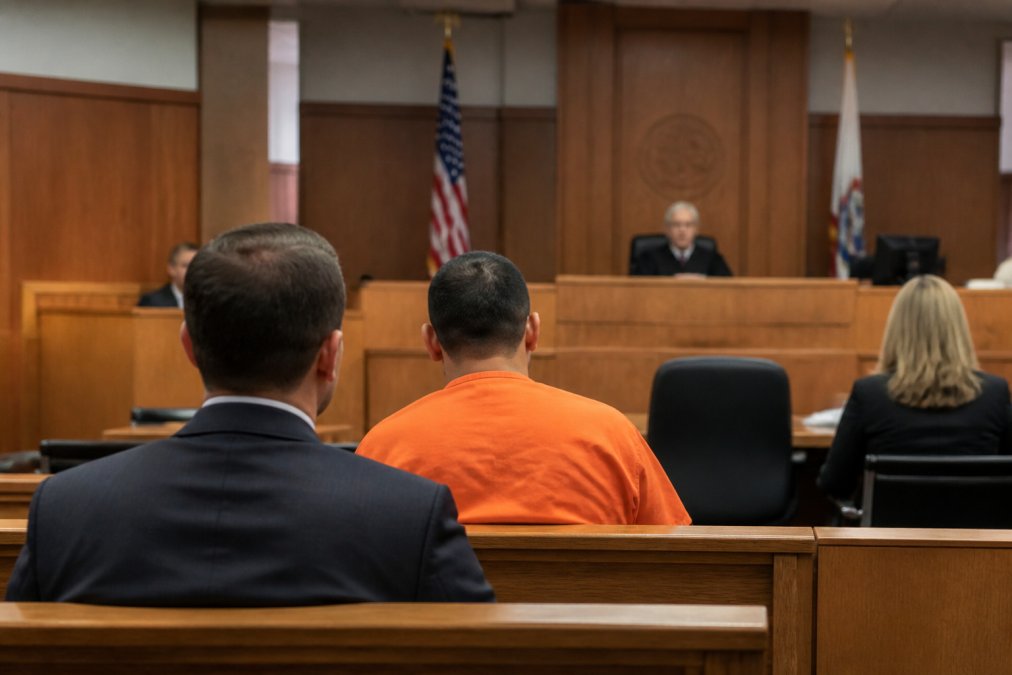
A Van Nuys court hearing is a formal proceeding where a judge reviews criminal charges, hears evidence, and makes decisions about your case. Understanding what happens is essential whether you're facing a misdemeanor or felony charge. The Van Nuys Superior Court jurisdiction covers the San Fernando Valley area and handles thousands of criminal cases annually. Your specific hearing type depends on your charges: misdemeanor cases typically involve an arraignment or trial hearing, while felony cases proceed through arraignment followed by a preliminary hearing where the prosecution must prove probable cause.
Understanding the mechanics of your hearing removes uncertainty and allows you to work strategically with your defense attorney.
How to Look Up Van Nuys Court Cases Before Your Hearing
Before your hearing, you can research your case through Los Angeles County's online court system. The Los Angeles Superior Court provides a public case search tool on its official website. You'll need your case number or your name to search. The system shows your charges, hearing dates, judge assignment, and any prior court actions.
When you search, look for your case number, a unique identifier that appears on all court documents. The docket shows every action taken in your case: arrest date, charges filed, bail decisions, and any continuances. Reading the docket tells you the prosecution's timeline and what motions have been filed. If you're uncertain how to navigate the online system, your defense attorney can pull this information for you.
Van Nuys Misdemeanor Court Procedure: What to Expect
Misdemeanor charges carry potential jail time up to one year and fines. Common misdemeanor cases include DUI, simple assault, petty theft, and drug possession. The procedure typically includes an arraignment, discovery period, and either a trial or plea negotiation.
Arraignment in Misdemeanor Cases
Your arraignment is your first official appearance in court. The judge informs you of your charges, explains your rights, and addresses bail or release conditions. You enter a plea: guilty, not guilty, or no contest. Most defendants plead not guilty at this stage, which preserves your right to discovery and gives your attorney time to investigate.
The prosecution presents a brief summary of the charges. Your attorney can challenge bail amounts or request your release on your own recognizance, meaning you're released without posting bail based on your ties to the community and lack of flight risk. The judge considers factors like employment, family, prior criminal history, and the severity of charges.
Preliminary Hearing for Felony Cases
If you're charged with a felony, after arraignment comes the preliminary hearing. The prosecution must prove probable cause that you committed the crime. The prosecution only needs to show that a crime was committed and that you probably committed it.
At the preliminary hearing, the prosecution calls witnesses and presents evidence. Your defense attorney can cross-examine witnesses and challenge the evidence. If the judge finds insufficient probable cause, charges can be dismissed. The preliminary hearing is a critical opportunity to test the prosecution's evidence early and sometimes negotiate from a position of strength if the evidence is weak.
What to Wear to Court in California and Courtroom Etiquette
Your appearance and behavior in the courtroom matter significantly. Judges form impressions based on how you present yourself, and that impression influences how seriously they take your case.
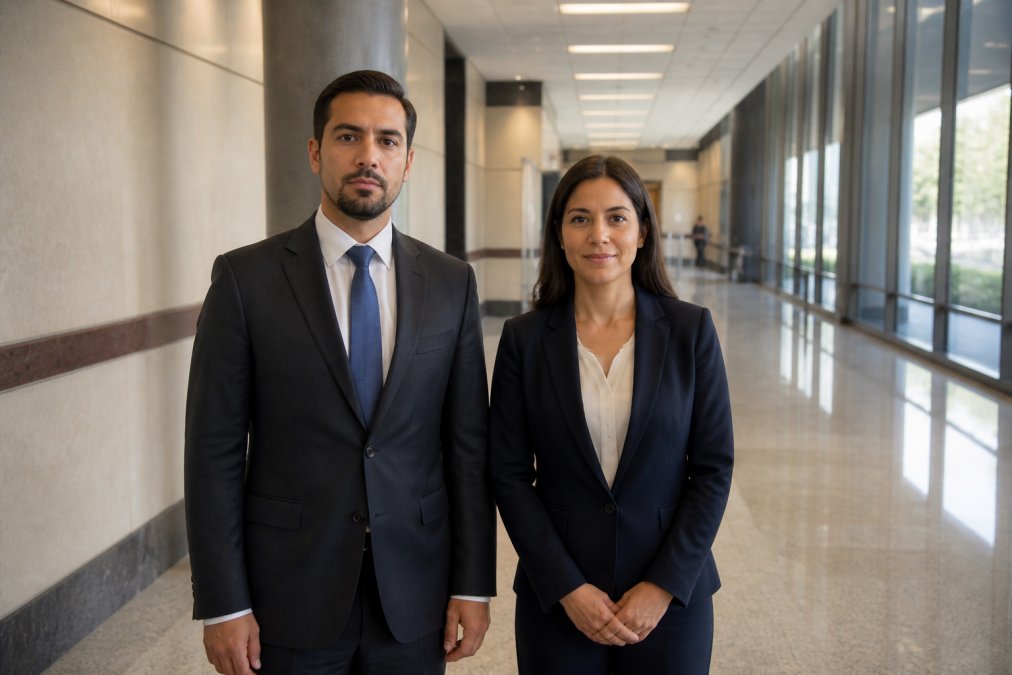
Dress conservatively and professionally. Wear business casual or formal clothing: dress pants or skirt, button-up shirt, blazer if possible. Avoid bright colors, patterns, or casual wear. Your goal is to look respectable and serious about your case.
Courtroom etiquette is equally important. Arrive early, at least 15 minutes before your scheduled time. Turn off your phone completely. Stand when the judge enters and leaves the courtroom. Address the judge as "Your Honor." Speak clearly and respectfully. Never interrupt the judge, prosecutor, or witnesses. Don't bring weapons, drugs, or anything illegal into the courthouse. Don't take photos or recordings inside.
Sit with your attorney at the defense table. Listen carefully to everything said. Your demeanor can influence the judge's perception of your credibility and character.
Step-by-Step: Preparing for Your Van Nuys Court Hearing
Preparation is the most controllable factor in your case outcome.
Gathering Documentation and Evidence
Collect all documents related to your case: police report, arrest report, citation, witness statements, and photographs or videos. Write down everything you remember about the incident while it's fresh. Include dates, times, locations, people present, and what happened. Stick to facts you're certain about.
Request a Free Case Evaluation →
Identify potential witnesses who can support your case and provide your attorney with their names and contact information. Gather documents that support your case: text messages, emails, receipts, medical records, or employment records. Organize these chronologically and label them clearly.
Working with Your Defense Attorney
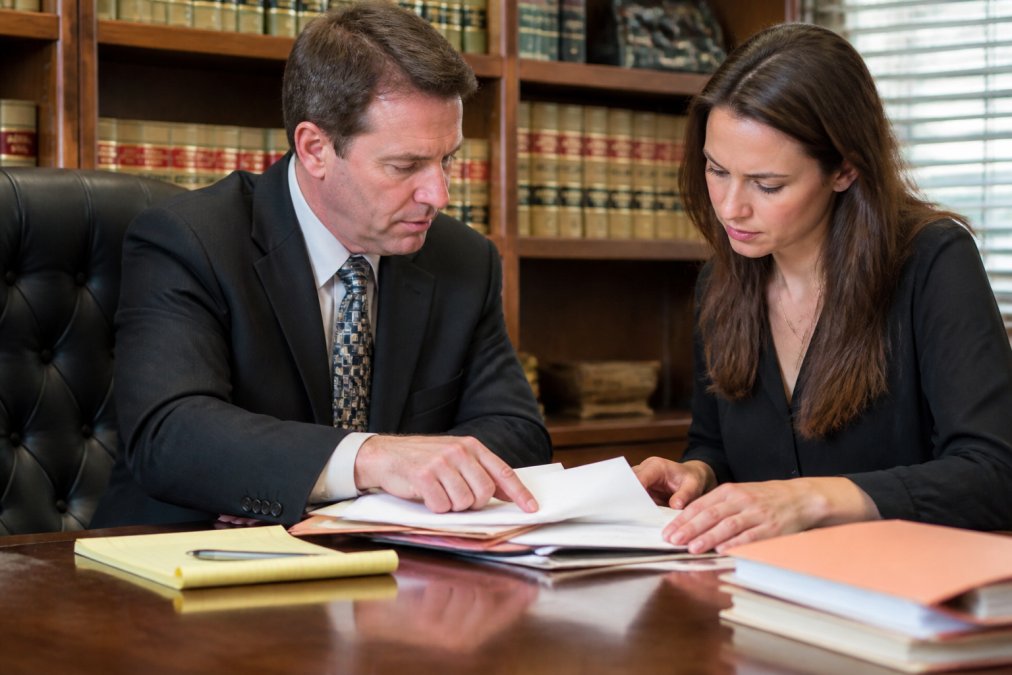
Your relationship with your defense attorney is critical. Schedule regular meetings with your attorney before your hearing. Discuss the charges, possible defenses, and realistic outcomes. Ask questions about legal concepts you don't understand.
Be honest with your attorney about everything, including facts that seem damaging. Attorney-client privilege protects these conversations, and your attorney can't help you effectively without knowing the full truth. Discuss bail conditions, what to expect at your hearing, and the judge's tendencies. The more you know in advance, the fewer surprises you'll face in court.
Remote Appearance Options and Courthouse Logistics
Many hearings in California now allow remote appearances via video conference, particularly for initial arraignments and status conferences. Ask your attorney whether your hearing can be conducted remotely.
If you must appear in person at Van Nuys Superior Court, plan your logistics carefully. Arrive at least 30 minutes early to account for parking and security screening. Bring a valid ID. Find the correct courtroom before your hearing time.
If you're using remote appearance, test your technology the day before. You need a quiet, private location with reliable internet and a camera. Dress professionally even though you're at home. Use appropriate background, good lighting, and ensure your face is clearly visible. Speak clearly and directly to the camera and treat it with the same respect as an in-person appearance.
Common Mistakes to Avoid at Your Hearing
Don't miss your hearing or arrive late. Missing a hearing can result in a bench warrant for your arrest. Don't speak without your attorney's permission. Don't argue with the judge, prosecutor, or witnesses. Disrespect toward the court can result in contempt charges.
Don't bring prohibited items to court: weapons, drugs, recording devices, or anything that could be used as a weapon. Don't discuss your case with other people in the courthouse. Don't post about your case on social media; prosecutors monitor social media and use posts as evidence.
Don't fail to disclose information to your attorney. If circumstances change, you're arrested again, you lose your job, or you move, tell your attorney immediately. Don't plead guilty without fully understanding the consequences. A guilty plea means a conviction record, potential jail time, fines, and collateral consequences like employment or housing difficulties.
Facing a Van Nuys court hearing creates real anxiety about your future. The legal system is complex, judges have significant power, and one hearing can change the trajectory of your life. You need an attorney who understands the Van Nuys courthouse, knows the judges and prosecutors, and will fight aggressively to protect your rights and reputation. Van Nuys Crime combines decades of courtroom experience with thorough investigation and strategic insight to identify weaknesses in the prosecution's case and negotiate the best possible outcome. Request a Free Case Evaluation with Van Nuys Crime today and take the first step toward protecting your future.
| Hearing Stage | What Happens | Key Decisions |
|---|---|---|
| Arraignment | Charges read, rights explained, bail set | Plea entry, release conditions |
| Preliminary Hearing (Felony) | Prosecution proves probable cause | Charges upheld or dismissed |
| Discovery | Both sides exchange evidence | Case strength assessment |
| Trial or Plea | Evidence presented or guilty plea entered | Conviction or acquittal |
Frequently Asked Questions
What typically happens during a Van Nuys court hearing?
At a Van Nuys court hearing, you'll be called before a judge who will review the charges against you, inform you of your rights, and discuss bail or own recognizance release. For misdemeanor cases, you may enter a plea or request a continuance. For felony cases, a preliminary hearing determines if probable cause exists. The judge may also address discovery, motions, and next steps in your case. Your defense attorney will be present to protect your interests and advise you throughout the process.
How can I check my Van Nuys court case status online?
You can look up your Van Nuys court case through the Los Angeles County Superior Court's online case search system. Visit the official courthouse website, enter your case number or name, and you'll find information about your docket, hearing dates, charges, and any recent filings. Your defense attorney can also retrieve detailed case information and discovery documents. If you don't have your case number, contact the Van Nuys court clerk's office directly.
What should I bring to my Van Nuys court hearing?
Bring a valid government-issued ID, your case number, and any documents your attorney advised you to have. Wear professional, conservative clothing that shows respect for the court. Avoid bringing phones, recording devices, or weapons into the courthouse, these are prohibited. Arrive 15-30 minutes early to allow time for security screening. Your defense attorney will tell you what specific documents or evidence are needed for your particular hearing.
What happens if I miss my court date in Van Nuys?
Missing a court date in Van Nuys can result in serious consequences, including a bench warrant for your arrest, additional criminal charges for failure to appear, bail revocation, and potential jail time. Your case may proceed without you, and the judge may make unfavorable rulings in your absence. If you have a legitimate emergency, contact your defense attorney or the court clerk immediately to request a continuance or reschedule your hearing. Never ignore a court date, always notify your attorney if you cannot attend.
This article was written using GrandRanker