 how-to
What Happens at a Pre-Trial Conference in Van Nuys
Table of Contents
- What Is a Pre-Trial Conference?
- Purpose and Goals of the Pre-Trial Conference
- Who Attends and What Roles They Play
- How to Prepare for a Pre-Trial Conference
- Plea Bargaining in California Criminal Cases
- Reviewing Evidence and Discovery at the Conference
- What Happens If You Miss a Court Date
- Outcomes: Settlement, Trial Dates, or Dismissal
Last Updated: August 23, 2026
What Is a Pre-Trial Conference?
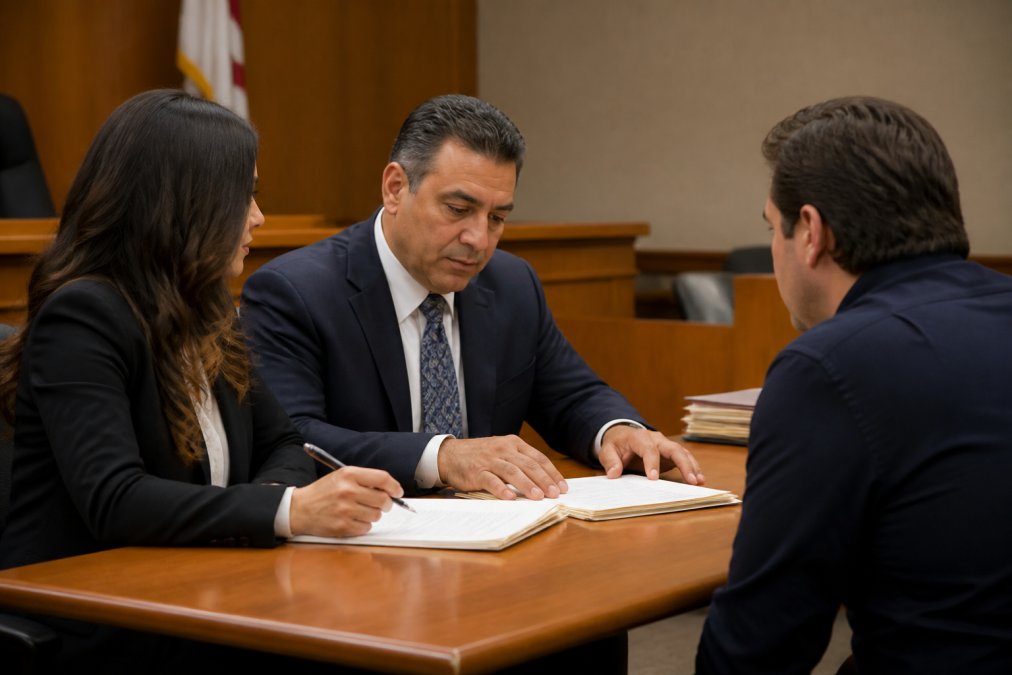
A pre-trial conference is a court hearing where the judge, prosecutor, and defense attorney meet to discuss the criminal case before trial. The purpose is to move the case forward by addressing procedural matters, exchanging information, and exploring settlement possibilities. Most criminal cases in California never reach trial, instead, they're resolved during pretrial negotiations centered on plea bargains, which resolve over 90% of felony cases without trial according to Law Offices of David Chesley analysis. (Source: Judicial Council of California's official website)
The judge presides over the hearing but remains largely neutral. The prosecutor presents the state's position. Your defense attorney advocates for your rights and explores every option available to reduce charges, secure dismissal, or negotiate favorable terms. This is where aggressive legal representation makes the difference between a conviction and a dismissal, between prison time and probation.
Purpose and Goals of the Pre-Trial Conference
The pre-trial conference serves multiple critical functions. First, it's an opportunity to exchange discovery, police reports, witness statements, lab results, and any evidence the prosecution has gathered. Your attorney reviews this material to identify weaknesses in the state's case, procedural violations, or inconsistencies in witness testimony.
Second, the conference allows both sides to discuss settlement possibilities through plea bargaining. The prosecutor may offer to reduce charges or recommend a lighter sentence in exchange for a guilty or no-contest plea. Your defense attorney negotiates aggressively to secure the best possible terms. According to the Judicial Council of California, 70% of felony cases resolved before trial resulted in a felony conviction, while 13% resulted in a misdemeanor conviction, and 17% were dismissed, transferred, or resulted in acquittal (courts.ca.gov).
Third, the pre-trial conference establishes the court calendar, setting deadlines for filing motions, completing discovery, and scheduling trial if necessary. Your attorney can also file motions asking the judge to suppress illegally obtained evidence, dismiss charges due to insufficient probable cause, or sever charges if multiple offenses are being tried together. These motions can be case-changing.
Who Attends and What Roles They Play
The judge presides over the pre-trial conference and makes rulings on procedural matters. According to Justice Marsha Slough of the Judicial Council of California, "That first entrance into the criminal court system is one of the most critical steps in the process. We as judges owe it to those who come before us to look at them, look at their situation, and not look at a cold bail schedule to determine how they will be addressed."
The prosecutor represents the state and presents evidence, witness lists, and police reports. Your defense attorney is your advocate, challenging the prosecution's evidence, identifying procedural violations, negotiating plea terms, and protecting your constitutional rights.
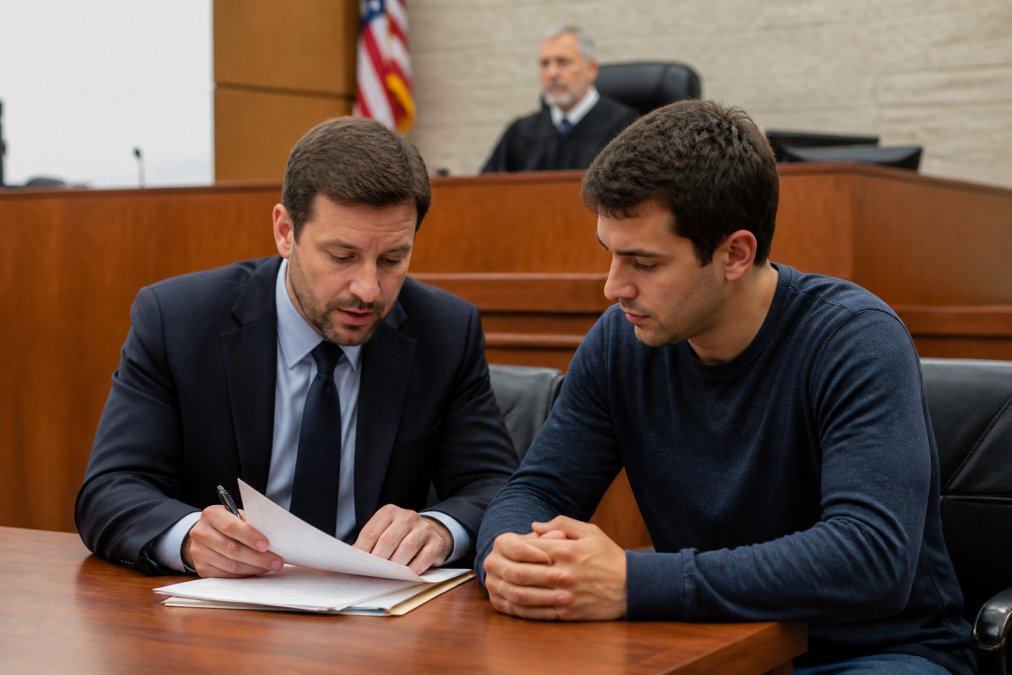
You, the defendant, have the right to attend the pre-trial conference. You should be present whenever possible so you understand what's being discussed and can make informed decisions about your case. A bailiff or court clerk may also be present to record the proceedings and manage courtroom procedures.
How to Prepare for a Pre-Trial Conference
Before your conference, your attorney should thoroughly review all discovery materials, police reports, witness statements, arrest reports, and lab results. This review identifies weaknesses in the prosecution's case that can be used during negotiations or trial.
Your attorney should also research the specific judge assigned to your case. Different judges have different tendencies regarding plea negotiations and case dismissals. Understanding the judge's history helps your attorney develop a tailored strategy.
Before the conference, discuss your goals with your attorney. Do you want to pursue trial if the prosecution's offer is unfavorable? Are you open to a plea deal? What are your priorities, minimizing jail time, avoiding a felony conviction, protecting your employment or professional license?
Dress professionally for the conference. Wear business attire to show respect for the court and present yourself as someone who takes the proceedings seriously. Arrive at least 15 minutes early. Listen carefully to what the judge and prosecutor say. Do not interrupt. Let your attorney do the talking.
Plea Bargaining in California Criminal Cases
Plea bargaining is the negotiation process where the prosecution offers terms in exchange for a guilty or no-contest plea. Only 2% of felony cases were settled by trial in fiscal year 2013-14, according to the Judicial Council of California. The remaining 98% were resolved through plea bargains, dismissals, or other pretrial outcomes.
The prosecutor may offer to reduce charges, for example, offering a misdemeanor plea instead of a felony charge. This is significant because a felony conviction carries collateral consequences: loss of voting rights, employment barriers, housing discrimination, and firearm restrictions. Alternatively, the prosecutor may offer a sentence recommendation in exchange for a guilty plea.
The critical question is whether the offer is actually favorable. A defense attorney who knows the judge, understands the strength of the evidence, and has trial experience can evaluate whether the offer is worth accepting or whether you should take your chances at trial. We evaluate every offer against the actual evidence and give you honest advice about your options.
Reviewing Evidence and Discovery at the Conference
Discovery is the process where the prosecution and defense exchange evidence. The prosecution must provide you with all evidence they intend to use at trial, as well as exculpatory evidence that could prove your innocence or reduce your culpability.
During the pre-trial conference, your attorney reviews this discovery to identify problems. Police reports may contain inconsistencies or procedural violations. Witness statements may contradict each other. Lab results may be questionable. Your attorney's job is to find these weaknesses and use them to either negotiate a better deal or prepare for trial.
Request a Free Case Evaluation →
According to CourtWatch LA's analysis of Los Angeles County pretrial practices, cash bail was imposed in 68% of observed cases with a median bail amount of $100,000, and judges failed to conduct an ability-to-pay analysis in 82% of cases. This highlights how carefully evidence and procedures must be reviewed.
What Happens If You Miss a Court Date
Missing a court date has serious consequences. If you fail to appear, the judge will issue a bench warrant for your arrest. You'll be arrested and held in custody, often without bail, until you appear before the judge again. In Los Angeles County, the failure to appear rate among misdemeanor cases granted pretrial release in the 2020 cohort was 51.3%, while the failure to appear rate among felony cases granted pretrial release was 37.2%, according to the Los Angeles County Pretrial Data Center.
Missing a court date also damages your credibility with the judge and may result in additional charges. Mark your court date on your calendar immediately. If something prevents you from appearing, contact your attorney immediately so they can request a continuance for legitimate reasons.
Outcomes: Settlement, Trial Dates, or Dismissal
The pre-trial conference results in one of several outcomes. The most common is a settlement agreement, a plea bargain where you plead guilty or no-contest in exchange for agreed-upon charges and sentencing recommendations. Another outcome is that no agreement is reached and trial is scheduled. A third outcome is dismissal if your attorney's motion to suppress evidence or dismiss charges is granted.
According to research from the Judicial Council of California, pretrial programs increased the release of people facing misdemeanors by 5.7% and by 8.8% for those arrested for felonies. Early access to legal representation through the Pre-Arraignment Representation and Review (PARR) model in Santa Clara County increased the likelihood and speed of pretrial release, decreased the likelihood of conviction by 75%, and increased case dismissals by 132%.
The outcome depends on the strength of the evidence, the judge's tendencies, your criminal history, and the skill of your defense attorney. This is why choosing the right attorney matters.
The pre-trial conference is where your case is often decided. Most cases never reach trial, they're resolved during this stage through plea bargains, dismissals, or other pretrial outcomes. Having aggressive, experienced legal representation at this critical juncture can mean the difference between a conviction and dismissal, between prison and probation.
Van Nuys Crime brings decades of combined courtroom experience to every pre-trial conference. We thoroughly investigate police reports, identify procedural violations, and negotiate aggressively to protect your rights and achieve the best possible outcome. If you're facing criminal charges and have an upcoming pre-trial conference, request a free case evaluation today.
| Outcome | Description | Impact |
|---|---|---|
| Plea Agreement | Guilty or no-contest plea in exchange for reduced charges or sentencing recommendation | Case ends; conviction recorded; sentence imposed |
| Trial Scheduled | No agreement reached; case proceeds to trial | Both sides prepare for courtroom trial; outcome uncertain |
| Dismissal | Charges dismissed due to insufficient evidence or procedural violations | Case ends; no conviction; charges cleared |
| Continuance | Hearing postponed to later date for additional investigation or negotiation | Case timeline extended; more time to prepare |
=== FAQ ANSWERS (audit these too, same rules) ===
[1] Q: What should I expect from a pre-trial conference? A: A pre-trial conference brings together the judge, prosecutor, and defense attorney to discuss your criminal case before trial. Expect discussions about the charges, evidence, and possible resolutions. The prosecutor may present their case strength, your attorney will discuss defenses, and the judge may encourage settlement. The conference typically lasts 15 to 30 minutes. You may be asked about your understanding of the charges and whether you wish to pursue a plea agreement or proceed to trial.
[2] Q: Can cases get dismissed at a pre-trial conference? A: Yes, cases can be dismissed during a pre-trial conference, though dismissals are not the most common outcome. A judge may dismiss charges if the prosecutor lacks sufficient evidence, if procedural violations occurred, or if your attorney successfully argues legal defects in the complaint. In one study of Santa Clara County cases, early access to legal counsel led to a 132% increase in case dismissals. However, most pre-trial conferences result in either a plea agreement or scheduling for trial.
[3] Q: How do I prepare for a pre-trial conference? A: Work closely with your defense attorney to review police reports, evidence, and witness statements. Understand the charges against you and discuss potential outcomes. Prepare a list of questions about discovery, evidence weaknesses, and settlement options. Dress professionally and arrive early. Discuss with your attorney whether to bring character witnesses or documentation. Review your rights and ask your attorney to explain plea offers versus trial risks before the conference begins.
[4] Q: What happens if I miss a court date for my pre-trial conference? A: Missing a court date can result in serious consequences. The judge may issue a bench warrant for your arrest. In Los Angeles County, failure-to-appear rates for felony cases granted pretrial release were 37.2%, showing that many defendants face this risk. You could face additional criminal charges, increased bail, or revocation of pretrial release conditions. Immediately contact your defense attorney if you cannot attend. In some cases, your attorney can request a continuance or appear on your behalf, depending on the judge's rules.
Frequently Asked Questions
What should I expect from a pre-trial conference?
A pre-trial conference brings together the judge, prosecutor, and defense attorney to discuss your criminal case before trial. Expect discussions about the charges, evidence, and possible resolutions. The prosecutor may present their case strength, your attorney will discuss defenses, and the judge may encourage settlement. The conference typically lasts 15 to 30 minutes. You may be asked about your understanding of the charges and whether you wish to pursue a plea agreement or proceed to trial.
Can cases get dismissed at a pre-trial conference?
Yes, cases can be dismissed during a pre-trial conference, though dismissals are not the most common outcome. A judge may dismiss charges if the prosecutor lacks sufficient evidence, if procedural violations occurred, or if your attorney successfully argues legal defects in the complaint. In one study of Santa Clara County cases, early access to legal counsel led to a 132% increase in case dismissals. However, most pre-trial conferences result in either a plea agreement or scheduling for trial.
How do I prepare for a pre-trial conference?
Work closely with your defense attorney to review police reports, evidence, and witness statements. Understand the charges against you and discuss potential outcomes. Prepare a list of questions about discovery, evidence weaknesses, and settlement options. Dress professionally and arrive early. Discuss with your attorney whether to bring character witnesses or documentation. Review your rights and ask your attorney to explain plea offers versus trial risks before the conference begins.
What happens if I miss a court date for my pre-trial conference?
Missing a court date can result in serious consequences. The judge may issue a bench warrant for your arrest. In Los Angeles County, failure-to-appear rates for felony cases granted pretrial release were 37.2%, showing that many defendants face this risk. You could face additional criminal charges, increased bail, or revocation of pretrial release conditions. Immediately contact your defense attorney if you cannot attend. In some cases, your attorney can request a continuance or appear on your behalf, depending on the judge's rules.
This article was written using GrandRanker