 how-to
Protect Your Privacy From Police Searches
Table of Contents
- The Fourth Amendment and Your Right to Privacy
- When Police Need a Warrant to Search
- Exceptions to the Warrant Requirement
- Refusing Consent to Search Your Vehicle
- What to Say When Police Ask to Search Your Car
- Fourth Amendment Rights During Traffic Stops
- Cell Phone Privacy and Police Searches
- What to Do During a Police Encounter
- Frequently Asked Questions
Last Updated: August 31, 2026
The Fourth Amendment and Your Right to Privacy
The Fourth Amendment protects you against unreasonable searches and seizures by law enforcement. It requires that searches be "reasonable", which typically means police need a warrant signed by a judge based on probable cause before they can search your person, home, vehicle, or digital devices. A warrant must describe with specificity what police are searching for and where they'll search. Without it, any evidence they find may be inadmissible in court under the exclusionary rule, which exists to deter police misconduct.
The critical distinction is between your reasonable expectation of privacy and areas where you have none. Your home receives the strongest Fourth Amendment protection, your vehicle receives moderate protection, and your digital devices occupy an increasingly complex gray area that courts are still defining. Understanding these foundational rights directly affects what you should and shouldn't do during a police encounter.
When Police Need a Warrant to Search
Police must obtain a warrant before conducting most searches. A judge issues a warrant only when police demonstrate probable cause, sufficient evidence to believe a crime has been committed and that evidence will be found in the place they want to search. The warrant application requires specificity: police cannot get a general warrant but must identify the specific location, items, and crime under investigation.
Your home receives the highest level of Fourth Amendment protection. Police cannot enter without a warrant except in limited emergency situations. Even with a warrant, they must knock and announce their presence before entering.
Vehicle searches operate under different rules. While police generally need a warrant, the automobile exception allows warrantless searches when police have probable cause to believe contraband or evidence is in the car. This exception exists because vehicles are mobile.
Digital devices present the newest frontier. In 2014, the Supreme Court ruled in Riley v. California that police need a warrant before searching a cell phone, even during arrest (supremecourt.gov). This protection extends to tablets and computers, though the law continues evolving.
Exceptions to the Warrant Requirement
Several legal exceptions allow police to search without a warrant. The consent exception is perhaps the most commonly misused. If you voluntarily consent to a search, police don't need a warrant. Your consent must be given freely without coercion or threat. Many people don't realize they can refuse.
The automobile exception permits warrantless searches of vehicles when police have probable cause to believe contraband or evidence is in the car. However, this exception only applies to areas where the suspected evidence could logically be found.
The plain view doctrine allows officers to seize evidence they see in plain view while lawfully present in a location. But they cannot move items to look underneath or open closed containers.
The search incident to arrest exception permits police to search you and the immediate area around you when making an arrest, limited to preventing access to weapons or destruction of evidence. It doesn't extend to searching your phone or entire vehicle.
Emergency situations create another exception. If police reasonably believe someone is in immediate danger, they can enter a home or search without a warrant. This exception is narrow and requires genuine emergency circumstances.
Refusing Consent to Search Your Vehicle
Your right to refuse consent to search your vehicle is absolute. Police cannot force you to consent, and refusing does not give them probable cause to search. Your refusal is not an admission of guilt and cannot be used against you in court.
Refusing consent is different from obstructing justice or resisting arrest. You can politely but firmly decline without being disrespectful. If you refuse and police search anyway, that search may be illegal and any evidence found could be suppressed in court. Document the search by noting the time, officers' names and badge numbers, what they searched, and what they took.
If police claim they have probable cause, they'll search regardless of your consent. Don't physically resist. Instead, clearly state your non-consent on the record: "I do not consent to this search," and let your attorney challenge the search's legality later in court.
What to Say When Police Ask to Search Your Car
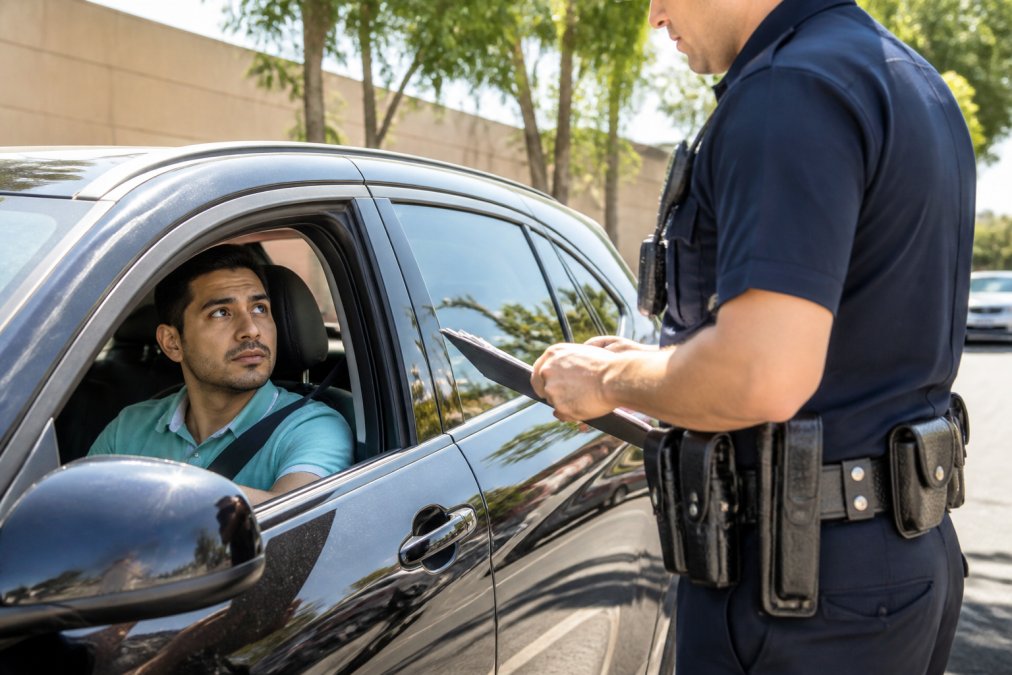
When police ask to search your vehicle, use direct language: "I do not consent to a search of my vehicle." This statement is simple, legally protective, and leaves no room for misinterpretation.
Don't explain why you're refusing. Don't say "I have nothing to hide but I'm not comfortable with it", that's ambiguous. Don't say "I don't think you should search my car", that's not a clear refusal. Avoid emotional language or hostility. A calm, respectful tone strengthens your position and demonstrates you're exercising a legal right.
If police say they'll get a warrant, your response remains the same: "I do not consent to a search." If they ask "Do you mind if I look around?" the answer is still no. Don't say "I guess not" or "I don't care", these can be interpreted as consent. Be explicit: "I do not consent to a search."
After you've clearly refused, stop talking about the search. Don't argue about whether they have the right to search. That's a question for court. If police search anyway despite your refusal, don't physically resist. Clearly state once more: "I do not consent to this search," and get the names and badge numbers of the officers involved.
Fourth Amendment Rights During Traffic Stops
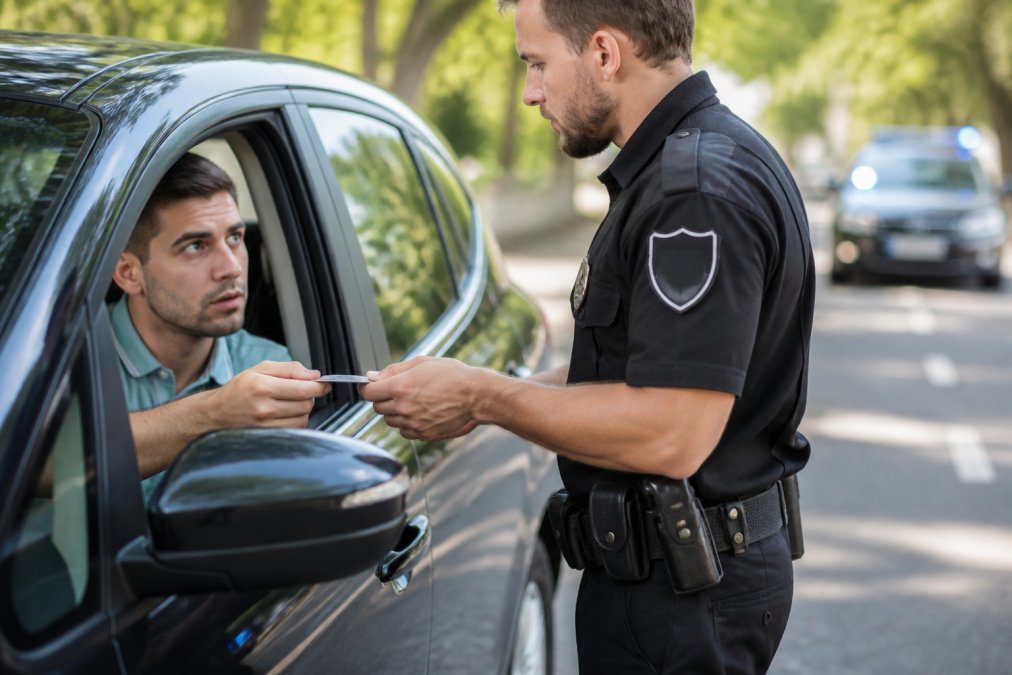
During a traffic stop, police have limited authority, they can only investigate the traffic violation and related crimes. Police can order you to exit your vehicle and can ask questions, but you have the right to remain silent beyond providing your license, registration, and proof of insurance.
Police can conduct a pat-down search of your outer clothing if they reasonably suspect you're armed and dangerous (justice.gov). This frisk is limited to feeling your clothing for weapons.
A traffic stop does not automatically give police the right to search your vehicle. They need either your consent or probable cause. K-9 units present a specific issue: police can use a dog to sniff around your vehicle's exterior during a traffic stop, but the sniff must occur during the stop itself. Police cannot extend the stop solely to wait for a dog.
Request a Free Case Evaluation →
Cell Phone Privacy and Police Searches
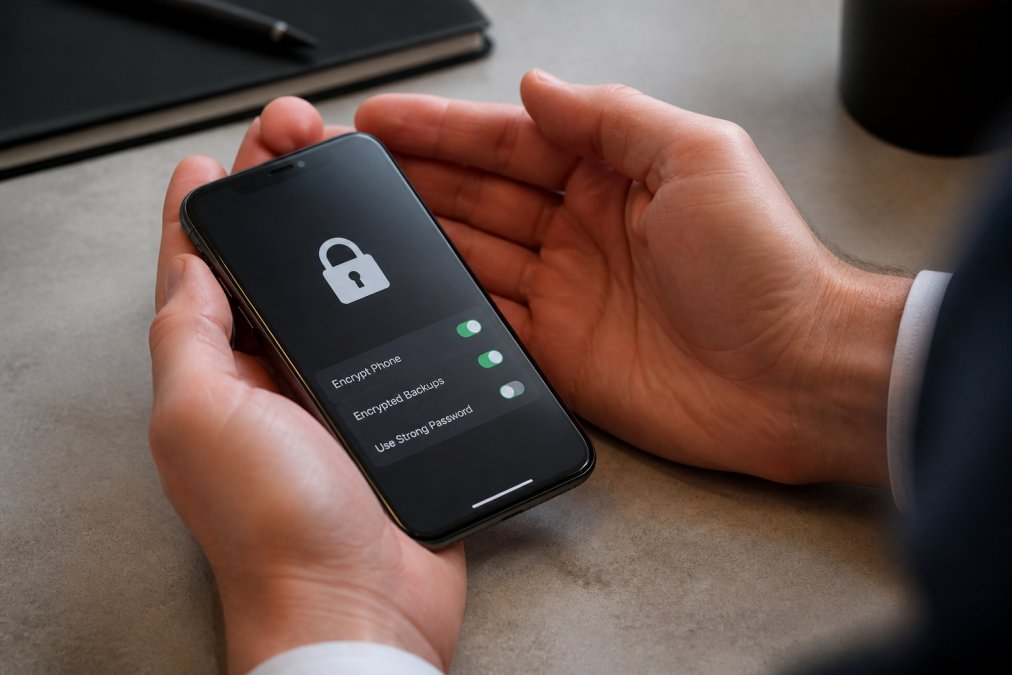
Your cell phone contains vast amounts of personal information, messages, photos, location history, financial data, health information, and browsing history. Courts have recognized that phones deserve heightened privacy protection because they're fundamentally different from other items police might search.
The Supreme Court's 2014 decision in Riley v. California established that police need a warrant to search your phone, even when you're arrested. This ruling applies to smartphones, tablets, and similar devices. Police cannot search your phone without a warrant, no exceptions for searches incident to arrest.
Police can still ask for your phone's password or biometric unlock. The Fifth Amendment protects you from being compelled to provide a password because that's testimonial. Biometric unlocking presents a gray area, with some courts ruling that forcing you to use your fingerprint or face violates the Fifth Amendment.
Encryption adds another layer of protection. If your phone is encrypted and police don't have your password, they cannot access it even with a warrant. Cloud-based data presents different issues, information stored on cloud servers may be accessible to police through different legal processes. Encrypted messaging apps like Signal provide additional protection through end-to-end encryption that even service providers cannot read.
What to Do During a Police Encounter
Your behavior during a police encounter significantly affects your legal position. Remain calm, emotional reactions or sudden movements can escalate the situation. A calm, respectful interaction is less likely to result in additional charges or force.
You have the right to remain silent. Police may ask questions, but you're not required to answer beyond providing your name and basic identification. You can politely decline: "I'd prefer not to answer questions without an attorney present."
If police ask to search you, your vehicle, or your home, clearly state your refusal: "I do not consent to a search." Don't be rude, but be unambiguous. If they search anyway, don't physically resist. Resistance can result in additional charges and doesn't prevent the search.
Keep your hands visible. During a traffic stop, keep your hands on the steering wheel. Ask before reaching for your license or registration: "May I reach for my license and registration?"
Do not physically resist arrest. You can state your objections verbally, but physical resistance is illegal and dangerous. You can contest the legality of the arrest in court later.
Get information about the officers, note badge numbers, names, and the agency. If there are witnesses, get their contact information. Request an attorney immediately if you're arrested or detained. Once you request an attorney, police must stop questioning you.
Document everything you remember: the date, time, location, officers' names and badge numbers, what happened, what was said, and what was searched or seized. This information helps your attorney build your defense.
If you're facing charges related to a police search or any criminal matter, the decisions you make now directly affect your future. Van Nuys Crime specializes in protecting your constitutional rights and challenging illegal searches. Our team provides aggressive defense strategies tailored to your specific circumstances, from traffic stops to serious felonies. Request a free case evaluation today and learn how we can fight for your rights and your freedom.
=== FAQ ANSWERS (audit these too, same rules) ===
[1] Q: Can police search your cell phone without a warrant? A: No. In Riley v. California (2014), the U.S. Supreme Court ruled that police cannot search your cell phone without a warrant, even during an arrest. Your phone contains vast amounts of personal data and communications protected by the Fourth Amendment. Officers may seize your phone but cannot access its contents without a judge-signed warrant. This applies to smartphones, tablets, and other electronic devices. If police demand access, clearly state you do not consent to any search of your device.
[2] Q: What should you do if an officer asks to search your vehicle? A: Clearly and calmly state: 'I do not consent to a search of my vehicle.' Do not physically resist, but repeat this statement if asked again. Keep your hands visible and your tone respectful. You have the right to refuse consent even if the officer claims they will search anyway. If they proceed without consent and without a warrant, any evidence found may be suppressed in court. Stay silent beyond stating your refusal, and request to speak with an attorney immediately.
[3] Q: What is the difference between probable cause and reasonable suspicion? A: Reasonable suspicion is a lower standard that allows police to stop and briefly detain you, for example, during a traffic stop based on a broken taillight. Probable cause is a higher standard required for arrest and searches. Probable cause means officers have sufficient facts and circumstances to believe you committed a crime. Reasonable suspicion alone does not justify a full search of your vehicle or person. Understanding this distinction helps you know when an officer's actions may exceed their legal authority.
[4] Q: What happens if police conduct an illegal search? A: Evidence obtained through an illegal search may be suppressed under the exclusionary rule, meaning it cannot be used against you in court (justice.gov). If your Fourth Amendment rights were violated, your attorney can file a motion to suppress the evidence. This can be critical to your defense, as removing illegally obtained evidence may result in dropped charges or a weaker prosecution case. Documenting the details of the search and any statements made by officers is important for your legal team to challenge the search's validity in court.
Frequently Asked Questions
Can police search your cell phone without a warrant?
No. In Riley v. California (2014), the U.S. Supreme Court ruled that police cannot search your cell phone without a warrant, even during an arrest. Your phone contains vast amounts of personal data and communications protected by the Fourth Amendment. Officers may seize your phone but cannot access its contents without a judge-signed warrant. This applies to smartphones, tablets, and other electronic devices. If police demand access, clearly state you do not consent to any search of your device.
What should you do if an officer asks to search your vehicle?
Clearly and calmly state: 'I do not consent to a search of my vehicle.' Do not physically resist, but repeat this statement if asked again. Keep your hands visible and your tone respectful. You have the right to refuse consent even if the officer claims they will search anyway. If they proceed without consent and without a warrant, any evidence found may be suppressed in court. Stay silent beyond stating your refusal, and request to speak with an attorney immediately.
What is the difference between probable cause and reasonable suspicion?
Reasonable suspicion is a lower standard that allows police to stop and briefly detain you, for example, during a traffic stop based on a broken taillight. Probable cause is a higher standard required for arrest and searches. Probable cause means officers have sufficient facts and circumstances to believe you committed a crime. Reasonable suspicion alone does not justify a full search of your vehicle or person. Understanding this distinction helps you know when an officer's actions may exceed their legal authority.
What happens if police conduct an illegal search?
Evidence obtained through an illegal search may be suppressed under the exclusionary rule, meaning it cannot be used against you in court. If your Fourth Amendment rights were violated, your attorney can file a motion to suppress the evidence. This can be critical to your defense, as removing illegally obtained evidence may result in dropped charges or a weaker prosecution case. Documenting the details of the search and any statements made by officers is important for your legal team to challenge the search's validity in court.
This article was written using GrandRanker