 ultimate-guide
Plain View Doctrine in California: What You Need to Know
Table of Contents
- What Is the Plain View Doctrine in California?
- Requirements for a Lawful Seizure Under Plain View
- Fourth Amendment Search and Seizure Protections
- The Inadvertent Discovery Requirement: What Changed After Horton
- Warrantless Search Exceptions and Plain View
- Probable Cause Requirements in Plain View Cases
- How to Challenge a Plain View Seizure in California
- Practical Scenarios: Plain View in California Traffic Stops
Last Updated: August 30, 2026
What Is the Plain View Doctrine in California?
The plain view doctrine permits law enforcement to seize evidence without a warrant when specific conditions are met. It allows police to observe and take items in plain view during lawful police activity, provided the officer has lawful right to be present and the item's incriminating nature is immediately apparent.
This doctrine stems from Fourth Amendment protections against unreasonable searches and seizures. According to Supreme Court precedent in Horton v. California, "The seizure of property in plain view involves no invasion of privacy and is presumptively reasonable, assuming that there is probable cause to associate the property with criminal activity." However, the plain view doctrine in California is not a blank check for police intrusion. Understanding its boundaries is critical for anyone facing charges based on seized evidence.
The plain view doctrine operates within strict constitutional limits. It applies only when three essential requirements are satisfied simultaneously. Many defendants don't realize that challenging a plain view seizure is possible, but the doctrine's application is frequently misapplied by law enforcement, creating opportunities for suppression of illegally obtained evidence.
Requirements for a Lawful Seizure Under Plain View
A lawful seizure under the plain view doctrine requires three distinct elements, each of which must be independently satisfied. If any element fails, the seizure violates the Fourth Amendment, and the evidence should be suppressed.
Lawful Presence of the Officer
The first requirement is that the officer must be lawfully present in the location where they observe the evidence. This means the officer cannot be trespassing or violating someone's reasonable expectation of privacy. An officer's presence must be justified by independent legal authority, a warrant, consent, a lawful arrest, or an exception to the warrant requirement.
An officer conducting a traffic stop has lawful presence at the vehicle window. An officer executing a search warrant for stolen electronics has lawful presence in the home. However, an officer peering into a home through a window without consent or warrant does not have lawful presence, and any observations cannot support a plain view seizure.
Lawful presence is frequently challenged in suppression motions. If you were arrested or had property seized following a traffic stop, the legality of that initial stop determines whether the officer's subsequent observations qualify for plain view protection.
Incriminating Nature Must Be Immediately Apparent
The second element requires that the incriminating nature of the item must be immediately apparent to the officer. This means probable cause exists to believe the item is evidence of a crime based on what the officer observes, though not absolute certainty.
An officer observing a firearm in plain view during a lawful home search has probable cause to believe it's connected to criminal activity if the search warrant involves violent crime. However, an officer observing a container whose criminal nature is not obvious cannot conduct further inspection to determine what's inside.
The "immediately apparent" standard protects against pretextual searches. Police cannot seize an item based on a hunch that it might be evidence, nor can they manipulate or move an object to determine its criminal nature.
Lawful Access to the Item
The third element requires that the officer have lawful access to the item. Even if an officer is lawfully present and the item's incriminating nature is immediately apparent, the officer cannot seize it if reaching it would violate the Fourth Amendment.
If an officer observes contraband on a high shelf in a home during a lawful search, the officer can seize it because they have lawful access as part of the authorized search. However, if the contraband is in a locked drawer not mentioned in the search warrant, the officer cannot access it under the plain view doctrine.
This element frequently becomes the battleground in suppression hearings. Defense attorneys challenge whether officers truly had lawful access or whether they exceeded their authority.
Fourth Amendment Search and Seizure Protections
The Fourth Amendment protects all Americans against unreasonable searches and seizures (supremecourt.gov). It states: "The right of the people to be secure in their persons, houses, papers, and effects, against unreasonable searches and seizures, shall not be violated, and no Warrants shall issue, but upon probable cause, supported by Oath or affirmation, and particularly describing the place to be searched, and the persons or things to be seized."
The plain view doctrine operates within Fourth Amendment protections, not outside them. Police cannot use the doctrine to circumvent warrant requirements. Your reasonable expectation of privacy is central to this analysis. If you have a reasonable expectation of privacy in a location or item, police cannot observe or seize it without a warrant or valid exception.
Understanding these protections is essential when evaluating whether evidence against you was lawfully seized. If police violated your Fourth Amendment rights, suppression motions can exclude that evidence from trial, potentially weakening the prosecution's case substantially.
The Inadvertent Discovery Requirement: What Changed After Horton
For decades, courts required that an officer's discovery of evidence be inadvertent. The Supreme Court's decision in Horton v. California (1990) eliminated this requirement, holding that inadvertence is not necessary for the plain view doctrine (supremecourt.gov).
After Horton, police no longer need to prove they accidentally stumbled upon evidence. An officer can deliberately search for a specific item, and if that item is in plain view during a lawful search, it can be seized even though the officer anticipated finding it.
However, Horton did not eliminate all protections against pretextual searches. The officer must still satisfy all three plain view requirements, and the search itself must be lawfully conducted. If the underlying search violates the Fourth Amendment, the plain view doctrine cannot salvage the seized evidence.
Warrantless Search Exceptions and Plain View
The plain view doctrine is one of several exceptions to the warrant requirement. Other exceptions include consent searches, searches incident to arrest, exigent circumstances, and automobile searches.
Request a Free Case Evaluation →
The plain view doctrine does not authorize a search; it only justifies the seizure of evidence once a lawful search is already underway. Police cannot initiate a search based on plain view; they must already have independent legal authority to be in the location.
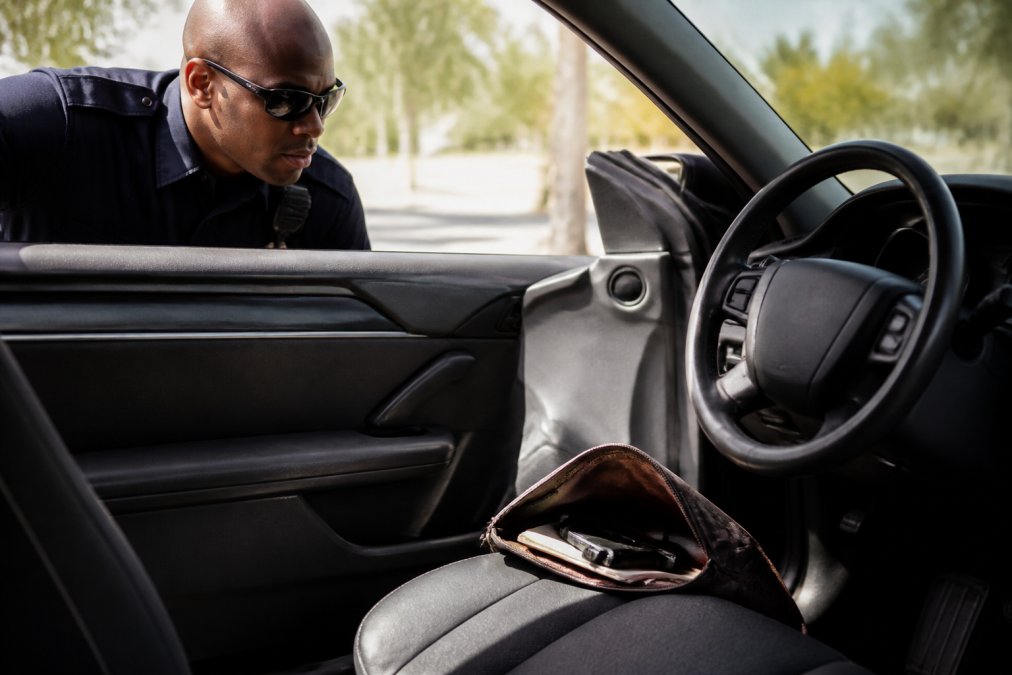
In vehicle searches, police conducting a lawful traffic stop can observe items in plain view on the vehicle's seat or dashboard. If those items appear to be contraband, the officer can seize them without a warrant. However, the officer cannot search the vehicle's trunk or closed compartments based solely on plain view observations.
Probable Cause Requirements in Plain View Cases
Probable cause must exist to believe the observed item is evidence of a crime. This standard is higher than reasonable suspicion but does not require certainty.
The officer's training and experience inform the probable cause analysis. A narcotics officer observing a small plastic bag with white powder in a known drug house may have probable cause to believe it's contraband. A general patrol officer observing the same item might lack sufficient probable cause without additional information.
Courts examine whether a reasonable officer, with the same training and experience, would conclude the item is likely evidence of a crime. Challenging the probable cause determination is a powerful defense strategy. If the prosecution cannot establish that the officer had probable cause to believe the seized item was evidence of a crime, the seizure violates the Fourth Amendment.
How to Challenge a Plain View Seizure in California

Challenging a plain view seizure begins with a motion to suppress under California Penal Code Section 1538.5. This motion asks the court to exclude the seized evidence from trial, arguing that the seizure violated your Fourth Amendment rights.
The first step is identifying which element of the plain view doctrine was violated. Did the officer lack lawful presence? Was the incriminating nature not immediately apparent? Did the officer exceed lawful access?
Discovery of police reports, body camera footage, and witness statements is essential. These materials often reveal inconsistencies in the officer's account or demonstrate that the plain view requirements were not satisfied.
At the suppression hearing, the burden is on the prosecution to prove each element by a preponderance of the evidence. Your defense attorney cross-examines the officer and challenges the credibility of their observations. A successful suppression hearing can result in the evidence being excluded entirely.
Practical Scenarios: Plain View in California Traffic Stops
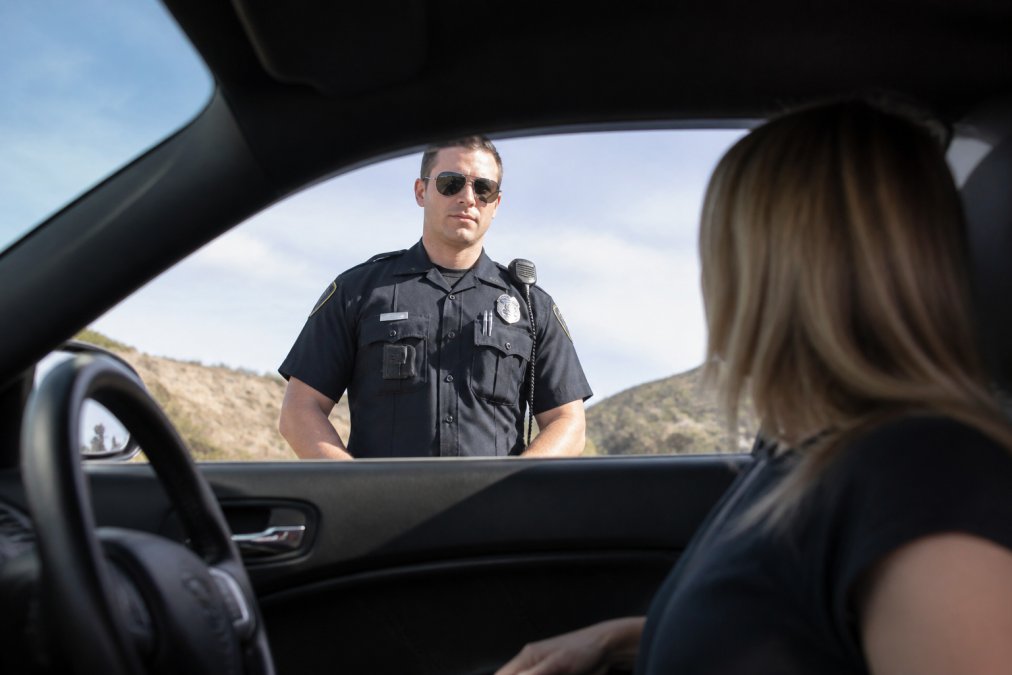
Traffic stops present the most common scenario where plain view doctrine issues arise. An officer pulls you over for a traffic violation and observes something in plain view, perhaps a firearm on the seat or a bag of suspected drugs on the dashboard.
The officer's lawful presence is established by the traffic stop itself. However, the other two elements remain open to challenge. Was the incriminating nature truly immediately apparent? Could the officer have lawfully accessed the item without exceeding the scope of the traffic stop?
If an officer observes a closed container on your passenger seat, the officer cannot open it based on plain view alone. The contents are not in plain view. If the officer opens it anyway and discovers contraband, that seizure violates the Fourth Amendment.
Another common scenario involves officers observing items through a vehicle's window. If you have tinted windows and the officer cannot clearly see into the vehicle, the plain view doctrine cannot apply to items inside. The officer would need consent or a search warrant to search the interior.
Gang-related cases frequently involve plain view seizures during vehicle stops or home searches. Officers might observe gang insignia, weapons, or drug paraphernalia and claim it supports gang affiliation. Challenging the "immediately apparent" element is often successful in these cases.
Understanding the plain view doctrine is essential for anyone facing criminal charges based on seized evidence. The doctrine's requirements are strict, and violations are common. If police seized evidence from you without a warrant, a suppression motion challenging the seizure could exclude that evidence entirely. Van Nuys Crime specializes in identifying Fourth Amendment violations and fighting to protect your constitutional rights. Our team conducts thorough investigations, challenges police testimony, and develops customized defense strategies tailored to your specific circumstances. Request a free case evaluation today to discuss how we can defend your rights and achieve the best possible outcome in your case.
| Element | Requirement | Common Violation |
|---|---|---|
| Lawful Presence | Officer must be lawfully in the location | Officer trespasses or exceeds warrant scope |
| Immediately Apparent | Incriminating nature must be obvious | Item's criminal nature requires further inspection |
| Lawful Access | Officer must be able to reach the item | Officer searches beyond authorized area |
Frequently Asked Questions
What are the three main requirements for a lawful plain view seizure?
A lawful plain view seizure under California law requires three elements: (1) the officer must be lawfully present in a location where they have a right to be, (2) the incriminating nature of the item must be immediately apparent to the officer without further examination, and (3) the officer must have lawful access to the item being seized. These requirements stem from the Supreme Court's decision in Horton v. California, which established that officers can seize evidence in plain view even if the discovery was not inadvertent, provided all three conditions are met.
How does the plain view doctrine relate to Fourth Amendment search and seizure protections?
The plain view doctrine operates as an exception to the Fourth Amendment requirement that police obtain a warrant before conducting searches or seizures. The Fourth Amendment protects against unreasonable search and seizure, but the plain view doctrine allows officers to seize evidence without a warrant when specific conditions are satisfied. As Chief Justice Warren Burger stated in California v. Ciraolo, 'The Fourth Amendment simply does not require the police traveling in the public airways at this altitude to obtain a warrant in order to observe what is visible to the naked eye.' This balance protects constitutional rights while allowing law enforcement to act on obvious criminal evidence.
Can I challenge evidence seized under the plain view doctrine in California?
Yes, you can challenge a plain view seizure by filing a suppression motion in California court. To successfully challenge the seizure, your defense attorney must demonstrate that one or more of the three requirements was not met: the officer was not lawfully present, the incriminating nature was not immediately apparent, or the officer lacked lawful access to the item. If the court finds the seizure violated your Fourth Amendment rights, the evidence may be excluded from trial under the exclusionary rule, which prevents illegally obtained evidence from being used against you.
What is the difference between the plain view doctrine and plain feel or plain touch?
While the plain view doctrine applies to items that are visible to an officer's eyes, the plain feel or plain touch doctrine extends to items an officer can identify through tactile sensation during a lawful pat-down search. Both doctrines operate under similar legal principles: the officer must be lawfully present, the incriminating nature must be immediately apparent based on touch alone, and the officer must have lawful access. However, plain view applies exclusively to visual observation, whereas plain feel applies to items discovered through physical contact during a lawful frisk or search incident to arrest.
This article was written using GrandRanker