 how-to
How to Resolve Bench Warrants in Los Angeles County
Table of Contents
- Understanding Bench Warrants and How They Differ from Arrest Warrants
- How to Check for Active Warrants Against You
- Consequences of Ignoring a Bench Warrant
- Steps to Resolve Your Bench Warrant
- Hiring a Criminal Defense Attorney for Warrants
- How Bench Warrant Resolution Affects Employment and Background Checks
- Conclusion: Taking Action to Resolve Your Bench Warrant
Last Updated: August 15, 2026
Understanding Bench Warrants and How They Differ from Arrest Warrants
Abench warrant is a court order issued by a judge directing law enforcement to arrest a person for failure to appear in court or for violating a court order. Unlike an arrest warrant, which is issued based on probable cause that someone committed a crime, a bench warrant stems from a defendant's failure to comply with a court directive. When you fail to appear at a scheduled court date, miss probation check-ins, or violate conditions of bail or bond, the judge can issue a bench warrant without any new criminal investigation. The warrant authorizes police to take you into custody at any time, during a traffic stop, at your home, or at your workplace.
At Van Nuys Crime, we help clients navigate this distinction because it shapes the defense strategy. A bench warrant doesn't mean you're guilty of the underlying charge; it means you haven't satisfied your court obligations. Understanding which type of warrant you're facing and what triggered it is the first step toward taking control of the situation.
How to Check for Active Warrants Against You
The fastest method to check for active warrants is to contact the Los Angeles County Superior Court directly or visit the court's website, where many case records are searchable online. You'll need your case number or full legal name to run a search.
If you don't have your case number, call the Criminal Records Bureau at the Los Angeles County Superior Court. Be prepared to provide your full legal name, date of birth, and any case information you have. Another option is to hire a criminal defense attorney to conduct the search on your behalf. Many attorneys have access to detailed court databases and can pull complete case files and warrant status in minutes, while protecting your privacy.
You can also check in person at the courthouse, though this carries risk if a warrant is active. Walking into a courthouse with an outstanding warrant means you could be arrested on the spot. For this reason, many people prefer to have an attorney handle the inquiry first.
Consequences of Ignoring a Bench Warrant
Ignoring a bench warrant is one of the most damaging decisions you can make in a criminal case. Law enforcement can take you into custody at any time without warning, during a traffic stop, at work, at home, or in public. Once arrested, you'll be booked into custody and held without bail until you appear before a judge, which can mean spending days or weeks in jail.
A bench warrant also triggers additional criminal charges. Failure to appear is itself a crime, typically charged as a misdemeanor but potentially elevated to a felony depending on the underlying case. This means you're now facing two separate legal problems instead of one.
Your employment is at serious risk. A bench warrant can be discovered during background checks, which employers routinely conduct. Housing applications, loans, professional licenses, and travel are all affected. Landlords screen for warrants. Banks check criminal history. International travel becomes impossible because border agents check warrant databases.
Most critically, ignoring a warrant damages your credibility with the judge. When you finally appear, the judge sees someone who disrespected the court system. This affects bail decisions, sentencing recommendations, and the judge's willingness to consider alternative resolutions. A defendant who voluntarily appears and takes responsibility is treated far more favorably than one who forces law enforcement to hunt them down.
Steps to Resolve Your Bench Warrant
Resolving a bench warrant requires a structured approach. Below is the step-by-step process most defendants follow.
Step 1: Gather Your Case Information
Before taking any action, compile all relevant information about your case. This includes your case number, the court that issued the warrant, the judge's name, the charges against you, and the reason the warrant was issued. Your case number is critical because it allows your attorney or the court to pull your complete file.
Write down the specific reason for the warrant. Did you miss a court date? Violate probation? Fail a drug test? The reason determines your resolution strategy. Document any mitigating circumstances, hospitalization, family emergency, relocation without notice of the court date. These factors matter when you appear before the judge.

Step 2: Choose Between Voluntary Surrender or In-Person Appearance
You have two primary options for resolving a bench warrant: voluntary surrender or in-person court appearance.
Voluntary surrender means you arrange with law enforcement or your attorney to turn yourself in at a designated time and place. This approach shows the court that you're taking responsibility. You're typically booked and released on your own recognizance or bail within hours. The judge sees a defendant who respected the court enough to appear willingly.
In-person court appearance means you show up at the next scheduled court date or request an emergency hearing. This works if the warrant is recent and a court date is coming up soon. You can contact the court clerk and request an emergency hearing to address the warrant.
Most attorneys recommend voluntary surrender if you have the flexibility, because it demonstrates responsibility and gives you the best possible position with the judge.
Step 3: File a Motion to Recall or Quash the Warrant
A motion to recall or quash the warrant is a formal legal request asking the judge to withdraw or cancel the warrant. This is typically filed by your attorney before you appear.
A motion to recall asks the judge to cancel the warrant based on new information or changed circumstances. For example, if you missed a court date because you were hospitalized, you can file a motion to recall based on medical records proving it.
A motion to quash is a broader legal challenge arguing that the warrant was issued improperly or without valid legal basis.
Request a Free Case Evaluation →
Filing these motions before you appear gives the judge time to review your arguments and evidence. It also signals to the court that you're serious about resolving the matter through the legal system. Your attorney will draft the motion, gather supporting evidence, and file it with the court. Even if the motion is denied, the act of filing it strengthens your position.
Step 4: Prepare for Your Court Appearance
Whether you're voluntarily surrendering or appearing for a scheduled hearing, preparation is critical.
Dress professionally. Wear business attire, a suit, dress pants with a button-up shirt, or professional dress. Arrive early, at least 30 minutes before your scheduled time. Bring all relevant documents, including copies of any filed motions and documentation supporting your explanation for missing court.
Prepare a brief statement. You may be asked to address the court directly. Keep it simple and honest. Explain what happened, take responsibility for missing court or violating the condition, and explain what you've done to prevent it from happening again. Avoid making excuses or blaming others. Judges respond to accountability.
Hiring a Criminal Defense Attorney for Warrants
Hiring a criminal defense attorney is one of the most important decisions you'll make when facing a bench warrant. An experienced attorney handles the warrant resolution process, protects your rights, and positions you optimally with the court.
An attorney manages the entire process: conducting the warrant search, filing motions to recall or quash, arranging voluntary surrender if appropriate, and representing you at your court appearance. They also understand how specific judges handle bench warrants and what arguments carry weight.
Van Nuys Crime specializes in warrant resolution and criminal defense in the Los Angeles County Superior Court system. Our team has deep experience with bench warrant cases and can guide you through voluntary surrender, motion filing, and court appearance.
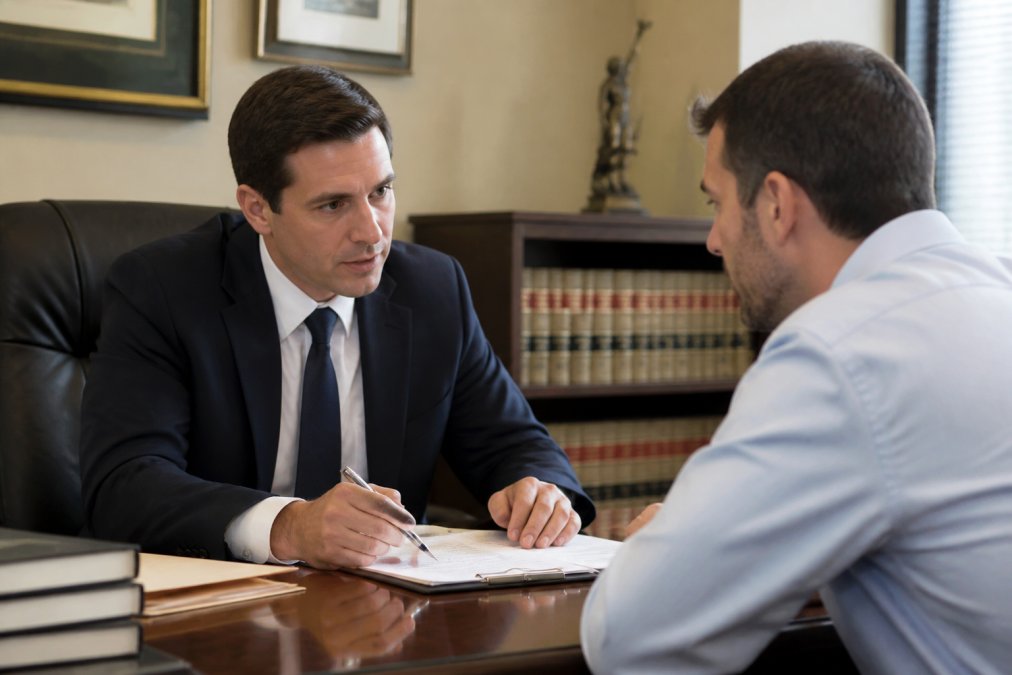
When selecting an attorney, ask about their experience specifically with warrant resolution. Ask whether they have trial experience. Prosecutors know when an attorney will actually take a case to trial versus just negotiating deals. That credibility affects the offers they make. Ask about their communication style, you should feel informed throughout the process.
How Bench Warrant Resolution Affects Employment and Background Checks
A bench warrant can be discovered during background checks, which most employers conduct before hiring or during periodic re-screening. When an employer discovers an outstanding warrant, they typically terminate the employment relationship immediately.
The best approach is to resolve the warrant as quickly as possible before it appears on a background check. Voluntary surrender and swift court appearance minimize the time the warrant is active and searchable in court databases.
For professional licenses, law, medicine, accounting, real estate, teaching, a bench warrant creates additional complications. Licensing boards conduct background checks and may initiate disciplinary proceedings if they discover an outstanding warrant. Resolving the warrant quickly is essential for protecting your professional credentials.
Once a bench warrant is resolved, it remains part of your record, but it no longer appears as "active" or "outstanding." This distinction matters for background checks. The best strategy is to resolve the warrant immediately and then address the broader criminal record through expungement if eligible. California law allows certain convictions and arrests to be expunged from your record, which removes them from public view.
Conclusion: Taking Action to Resolve Your Bench Warrant
A bench warrant doesn't have to control your future. The path to resolution is clear: gather your case information, choose your approach, file supporting motions if appropriate, and appear before the judge. Each step brings you closer to putting this behind you.
The worst decision is inaction. Every day you delay makes the situation more complicated. The best decision is to act immediately, preferably with legal representation.
Van Nuys Crime can guide you through every step of this process. We've helped countless clients resolve bench warrants, navigate voluntary surrender, and appear before judges with strategies that protect their rights and achieve the best possible outcomes. Request a Free Case Evaluation to discuss your specific situation and learn how we can help resolve your bench warrant and protect your future.
| Step | Action | Outcome |
|---|---|---|
| 1 | Gather case information and documents | Clear understanding of warrant details and circumstances |
| 2 | Choose voluntary surrender or in-person appearance | Control over timing and court presentation |
| 3 | File motion to recall or quash (with attorney) | Formal legal challenge and judge review before appearance |
| 4 | Prepare for court appearance | Professional presentation and clear explanation to judge |
| 5 | Appear before judge | Warrant addressed, new conditions or bail set, case moves forward |
Frequently Asked Questions
How can a bench warrant be lifted or recalled?
A bench warrant can be lifted through a motion to recall or quash filed by you or your criminal defense attorney. This motion asks the court to withdraw the warrant based on changed circumstances, such as resolving the underlying case, paying outstanding fines, or demonstrating good cause for your failure to appear. You must appear before the judge or file the motion through your attorney. The court has judicial discretion to grant or deny the motion based on the facts of your case.
What happens if I ignore a bench warrant in Los Angeles County?
Ignoring a bench warrant can result in arrest at any time, including during traffic stops, workplace visits, or routine interactions with law enforcement. You may be held in custody pending arraignment, face additional criminal charges for failure to appear, and experience serious consequences for employment and background checks. Your bail or bond conditions may be revoked, leading to higher bail amounts if you're arrested. Acting quickly to resolve the warrant prevents these escalating consequences.
What's the difference between a bench warrant and an arrest warrant?
A bench warrant is issued by a judge when you fail to appear in court as ordered, typically in an ongoing criminal case. An arrest warrant is issued based on probable cause that you committed a crime, often before charges are formally filed. Bench warrants arise from court proceedings you're already involved in, while arrest warrants are the initial authorization for law enforcement to detain you. Both allow police to arrest you, but resolving a bench warrant involves returning to court or filing a recall motion.
Should I turn myself in voluntarily or wait to be arrested?
Voluntary surrender is almost always the better option. When you voluntarily surrender with your attorney present, you demonstrate responsibility to the judge, which can positively influence bail decisions and sentencing. You avoid the trauma and complications of arrest, maintain dignity, and give your attorney time to prepare. Voluntary surrender also allows you to coordinate with the court clerk and avoid being booked unexpectedly. Your criminal defense attorney can arrange the surrender process to protect your rights throughout.
This article was written using GrandRanker