 how-to
How to Prepare for a Misdemeanor Case in Van Nuys
Table of Contents
- Understanding the Arraignment Process and Your First Court Appearance
- How Long Does a Misdemeanor Case Take in the California System
- Gathering Evidence and Witness Statements Before Your Hearing
- Public Defender vs. Private Criminal Defense Counsel
- California Misdemeanor Sentencing Guidelines and Bail Procedures
- Mental Health Diversion and Alternative Resolution Options
- Practical Steps to Prepare for Your Misdemeanor Case
- Conclusion
Last Updated: August 28, 2026
Understanding the Arraignment Process and Your First Court Appearance
Your first court appearance sets the tone for your entire case. At the arraignment, the judge formally notifies you of charges, explains your rights, and addresses bail or release conditions. The judge will inform you of the charges, explain your constitutional rights, and determine whether you'll be released on your own recognizance, held on bail, or detained. This is not the time to plead guilty or negotiate, your role is to listen carefully and understand the next steps. (Source: California Policy Lab research on pre-arraignment legal representation)
The arraignment typically occurs within 72 hours of arrest. According to California Policy Lab research on pre-arraignment legal representation, clients who had legal help before arraignment spent an average of six days in jail, compared to 29 days for people without early representation. This difference underscores why securing counsel immediately matters.
What Happens at Arraignment
The judge reads the charges aloud, ensuring you understand what you're accused of. Your attorney will enter a plea on your behalf (typically "not guilty" at this stage), and the judge will set conditions for your release. The prosecutor may present a brief summary of the allegations. You have the right to remain silent during this hearing.
One critical moment: the judge will ask if you understand your rights. You must acknowledge that you do. This acknowledgment protects the integrity of the proceeding and ensures due process.
Security Screening and Courtroom Decorum
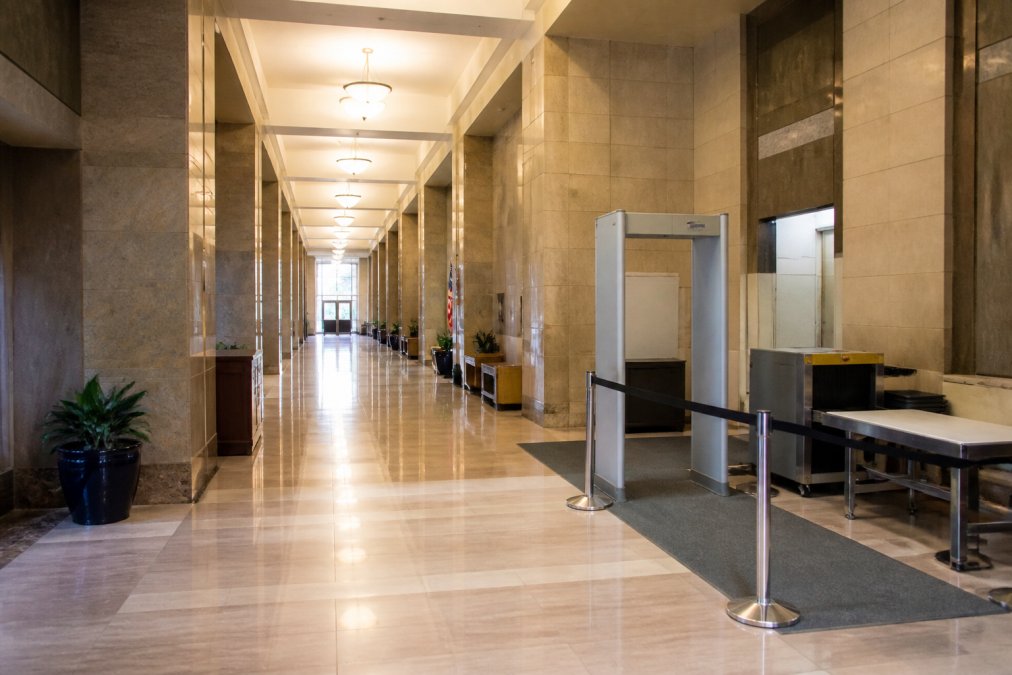
Before entering the courtroom, you'll pass through security screening. Arrive early, at least 30 minutes before your scheduled appearance. Leave your phone, keys, and any metal objects in your vehicle or at home if possible.
Dress professionally in business casual clothing: a button-down shirt or blouse, dress pants or skirt, and closed-toe shoes. Avoid bright colors, logos, torn clothing, or anything that suggests gang affiliation. Once inside the courtroom, stand when the judge enters. Address the judge as "Your Honor." Speak clearly and directly. Never interrupt the prosecutor or judge. If you don't understand a question, say so.
How Long Does a Misdemeanor Case Take in the California System
Timeline predictability is one of the most common questions defendants ask. Most misdemeanor cases move through the system faster than felonies. According to Hedding Law Firm case resolution data, misdemeanor cases in Van Nuys typically resolve within 30 to 90 days with legal representation. Cases that go to trial take significantly longer, often 6 to 12 months or more.
The 90-Day Resolution Rule
California law encourages swift resolution of misdemeanor cases. Judges actively work to meet the 90-day deadline after arraignment, which creates momentum toward either plea negotiation or trial preparation. This rule prevents indefinite case limbo and forces prosecutors to move forward with their evidence.
The 90-day clock starts after your arraignment. During this window, discovery occurs (the prosecution shares evidence with your defense), pretrial motions may be filed, and plea negotiations typically intensify. If no resolution occurs within 90 days, the case doesn't automatically dismiss, but the delay strengthens your negotiating position.
Pretrial Motions and Discovery
Discovery is the process where the prosecution provides evidence to your defense attorney, including police reports, witness statements, video footage, and physical evidence. Your attorney reviews this material to identify weaknesses in the prosecution's case, inconsistencies in witness accounts, or procedural violations that might exclude evidence.
Pretrial motions are legal arguments your attorney files before trial. Common motions include requests to suppress evidence obtained illegally, motions to dismiss charges due to insufficient evidence, or motions to sever charges if multiple offenses are grouped together. The discovery and motion phase typically spans 30 to 60 days.
Gathering Evidence and Witness Statements Before Your Hearing
Your defense depends on evidence. Identify witnesses who can support your version of events. These might be people present at the scene, character witnesses, or expert witnesses who can challenge prosecution evidence. Document their names, contact information, and what they witnessed.
Collect any physical evidence: receipts, text messages, photos, or video footage that supports your defense. If the incident occurred in a location with security cameras, your attorney can file a discovery request for that footage. Time matters, surveillance footage is often deleted after 30 to 90 days.
Write a detailed account of what happened from your perspective while your memory is fresh. Share this only with your attorney (attorney-client privilege protects this communication). According to California Policy Lab findings on case outcomes, clients who received early legal representation were 23 percentage points less likely to plead guilty, suggesting that thorough evidence gathering directly influences case outcomes.
Public Defender vs. Private Criminal Defense Counsel
Both public defenders and private attorneys are licensed, qualified lawyers. The critical differences lie in caseload, resources, and individual attention. According to ACLU of California 2023 public defender study cited in CalMatters, public defenders in Los Angeles County carried workloads that required 4,160 hours of work or more to effectively represent their clients, which is more than double the amount of work hours available in a year. The study recommends public defenders should carry no more than 59 low-level felony cases per year, and many L.A. public defenders have well over double that amount. Workloads in some Southern California counties, including L.A., are more than two or three times higher than the national standards.
Private attorneys typically carry 50 to 100 active cases, allowing deeper investigation, more thorough discovery review, and personalized strategy development. Cost is the obvious consideration. Public defenders are free if you qualify based on income. Private counsel requires payment, though many firms offer payment plans.
Why Early Legal Representation Matters
The moment you're arrested or contacted by police, legal representation becomes critical. When you retain counsel immediately, your attorney can intervene before charges are formally filed, request that police preserve evidence, begin independent investigation while memories are fresh, advise you on police questioning, and negotiate bail conditions before arraignment.
According to research from the California Policy Lab, clients with early legal representation spent an average of six days in jail versus 29 days for those without early counsel. They were also 72% less likely to plead guilty.
California Misdemeanor Sentencing Guidelines and Bail Procedures
Misdemeanor sentences in California range from probation-only to up to one year in county jail. Sentencing depends on the specific charge, your prior record, aggravating or mitigating factors, and the judge's discretion.
Common misdemeanor sentences include probation (typically 3 years) with conditions such as counseling, community service, or restitution; county jail time (1 to 365 days); fines (typically $250 to $1,000); or combination sentences. Your defense strategy should account for what sentencing looks like if you're convicted.
Understanding Bail and Bond in Van Nuys Superior Court
Bail is money held by the court to ensure you return for future appearances. The judge sets bail at your arraignment based on the severity of charges, your criminal history, ties to the community, and flight risk. If you can't afford bail, you can request a bail reduction hearing where your attorney argues for lower bail or release on your own recognizance. paying bail.
A bail schedule exists in Van Nuys Superior Court, a standardized list of bail amounts for common offenses. Your attorney can argue for bail below the schedule if circumstances warrant. Factors that support lower bail include stable employment in the area, family ties to the community, no prior failures to appear, and low risk of reoffending.
Request a Free Case Evaluation →
Mental Health Diversion and Alternative Resolution Options
California recognizes that not every criminal case should result in conviction and incarceration. Mental health diversion allows defendants with qualifying mental health disorders to receive treatment instead of criminal prosecution. If you successfully complete the program, charges are dismissed.
Substance abuse diversion programs operate similarly. If drug use contributed to your charges, you may qualify for treatment-focused resolution rather than criminal conviction. These alternatives carry significant benefits: a dismissed charge means no criminal record, you avoid incarceration and its collateral consequences, and treatment addresses root causes.
Your attorney should evaluate whether diversion eligibility exists in your case. According to California Department of Justice data on automatic record relief, approximately 2.5 million Californians convicted between 2010-21 will have one or more convictions automatically relieved under the Clean Slate Act, with nearly 70% receiving a clean slate where no records appear on most background checks.
Practical Steps to Prepare for Your Misdemeanor Case
Preparation transforms anxiety into confidence. The following steps create structure and ensure you're ready for every court appearance.
Step 1: Secure Legal Counsel Immediately
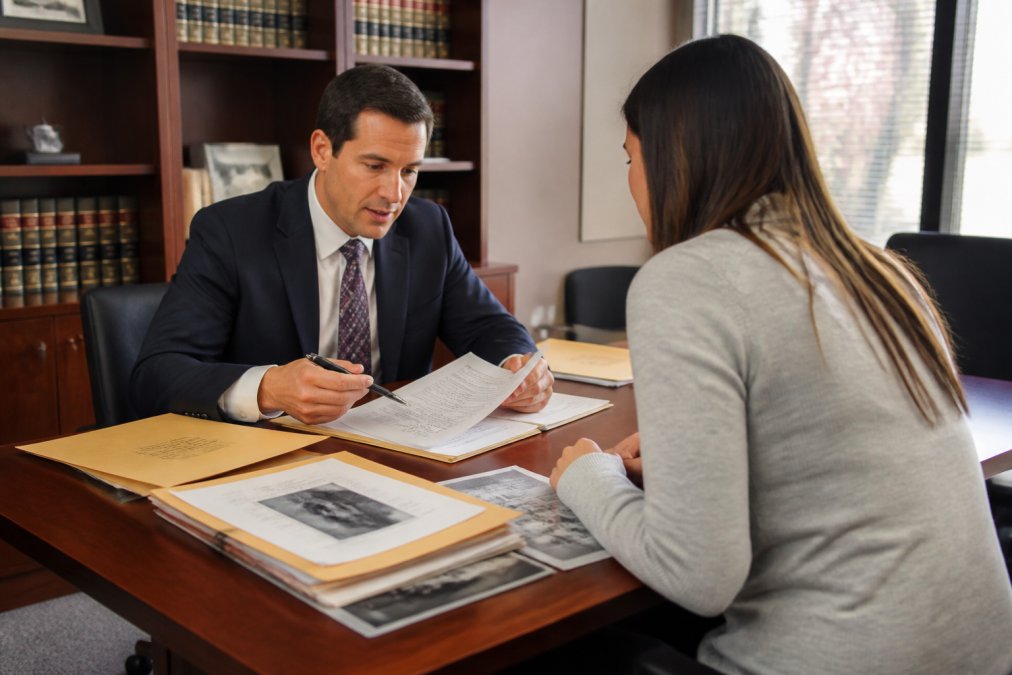
Contact a criminal defense attorney within 24 hours of arrest or notification of charges. During your initial consultation, provide a complete account of what happened. Be honest about any prior criminal history. Your attorney needs full information to develop strategy. Everything you tell your attorney is confidential under attorney-client privilege.
Ask your attorney about their experience in Van Nuys Superior Court. How many misdemeanor cases have they handled? What's their track record on negotiated resolutions? Do they have relationships with prosecutors and judges in your courthouse? Van Nuys Crime brings decades of combined courtroom experience and deep familiarity with the Van Nuys courthouse system.
Step 2: Organize Your Case File and Documentation
Create a physical or digital folder containing your arrest report, criminal complaint, all discovery materials, photos or videos, text messages or emails, receipts or timestamps, character references, and medical or mental health records if relevant. Organize these chronologically and by category. As discovery progresses, add new materials to your file.
Step 3: Prepare Your Defense Strategy with Your Attorney
After reviewing all evidence, your attorney will outline your defense strategy. This might include challenging the prosecution's evidence, presenting alternative explanations, negotiating for reduced charges, or preparing for trial. Understand each element of your strategy and discuss realistic outcomes.
Step 4: Know What to Bring and What to Wear to Court
On court dates, bring your ID, any documents your attorney requested, a notebook, and cash for parking. Leave at home your phone, weapons, illegal substances, and anything that might be confiscated.
Dress professionally every single time you appear in court. Wear business casual clothing: dress pants or skirt, button-down shirt or blouse, closed-toe shoes. Arrive 30 minutes early. Never be late to court. During court proceedings, sit quietly and respectfully. Don't speak unless addressed by the judge or your attorney.
Conclusion
Preparing for a misdemeanor case requires understanding the legal process, gathering evidence, and securing experienced counsel immediately. The 90-day timeline creates urgency, and early preparation determines whether you negotiate effectively or proceed to trial from a position of strength.
The difference between facing this process alone and having skilled legal representation is stark. Early legal counsel reduces jail time from 29 days to 6 days and makes defendants 72% less likely to plead guilty. Van Nuys Crime combines decades of courtroom experience with deep knowledge of the Van Nuys courthouse system. Our team identifies weaknesses in prosecution cases, negotiates aggressively for reduced charges or dismissals, and prepares comprehensively for trial when necessary. Request a free case evaluation today and take the first step toward protecting your future.
=== FAQ ANSWERS (audit these too, same rules) ===
[1] Q: What should I bring to my first court appearance for a misdemeanor case? A: Bring your case file, identification, any documents related to your charges, and a list of witnesses. Wear professional, conservative clothing, dark pants or skirt with a button-up shirt or blouse. Avoid jewelry, tattoos should be covered if possible, and never wear athletic wear or hats. Your criminal defense attorney will guide you on additional documentation needed. The Van Nuys Superior Court requires all visitors to pass security screening, so arrive early.
[2] Q: How long does a misdemeanor case take in California courts? A: Misdemeanor cases in Van Nuys typically resolve within 30 to 90 days with legal representation, following California's 90-day resolution rule. This timeline begins after arraignment. Without early legal intervention, cases can extend longer. According to California Policy Lab research, clients with legal help before arraignment spent an average of six days in jail, compared to 29 days for those without early representation, demonstrating how quickly proper legal counsel can move your case forward.
[3] Q: What is the difference between a public defender and a private criminal defense attorney? A: Public defenders are specialists but often carry overwhelming caseloads, averaging 200 active felony cases per attorney in some offices, with misdemeanor caseloads exceeding 400 cases per attorney annually, according to a 2023 ACLU of California study. Private criminal defense counsel typically provides more individualized attention and pre-filing investigation. Early legal representation, whether public or private, is critical: clients with legal help before arraignment were 72% less likely to plead guilty compared to those without representation.
[4] Q: What are typical California misdemeanor sentencing guidelines and penalties? A: California misdemeanor convictions can result in up to one year in county jail, fines, probation, community service, and a permanent criminal record affecting employment and housing. However, under California's Clean Slate Act (SB 731), most misdemeanor convictions receive automatic relief upon successful completion of probation. Approximately 2.5 million Californians convicted between 2010-21 became eligible for automatic record relief, with nearly 70% receiving a 'clean slate' where records don't appear on most background checks. Your defense attorney can explain specific penalties for your charges.
Frequently Asked Questions
Q: What should I bring to my first court appearance for a misdemeanor case?
A: Bring your case file, identification, any documents related to your charges, and a list of witnesses. Wear professional, conservative clothing, dark pants or skirt with a button-up shirt or blouse. Avoid jewelry, tattoos should be covered if possible, and never wear athletic wear or hats. Your criminal defense attorney will guide you on additional documentation needed. The Van Nuys Superior Court requires all visitors to pass security screening, so arrive early.
Q: How long does a misdemeanor case take in California courts?
A: Misdemeanor cases in Van Nuys typically resolve within 30 to 90 days with legal representation, following California's 90-day resolution rule. This timeline begins after arraignment. Without early legal intervention, cases can extend longer. According to California Policy Lab research, clients with legal help before arraignment spent an average of six days in jail, compared to 29 days for those without early representation, demonstrating how quickly proper legal counsel can move your case forward.
Q: What is the difference between a public defender and a private criminal defense attorney?
A: Public defenders are specialists but often carry overwhelming caseloads, averaging 200 active felony cases per attorney in some offices, with misdemeanor caseloads exceeding 400 cases per attorney annually, according to a 2023 ACLU of California study. Private criminal defense counsel typically provides more individualized attention and pre-filing investigation. Early legal representation, whether public or private, is critical: clients with legal help before arraignment were 72% less likely to plead guilty compared to those without representation.
Q: What are typical California misdemeanor sentencing guidelines and penalties?
A: California misdemeanor convictions can result in up to one year in county jail, fines, probation, community service, and a permanent criminal record affecting employment and housing. However, under California's Clean Slate Act (SB 731), most misdemeanor convictions receive automatic relief upon successful completion of probation. Approximately 2.5 million Californians convicted between 2010-21 became eligible for automatic record relief, with nearly 70% receiving a 'clean slate' where records don't appear on most background checks. Your defense attorney can explain specific penalties for your charges.
This article was written using GrandRanker