 ultimate-guide
How to Prepare for a Criminal Trial: A Complete Guide
Table of Contents
- Understanding the Criminal Trial Process
- Stages of a Criminal Trial Explained
- Criminal Trial Timeline: What to Expect
- How to Dress for Court and Courtroom Decorum
- Questions to Ask Your Defense Attorney
- Psychological Preparation and Managing Fear
- Financial Planning for Your Trial
- Post-Trial Expectations and Next Steps
Last Updated: August 8, 2026
Understanding the Criminal Trial Process
A criminal trial is a formal legal proceeding where the prosecution presents evidence to prove guilt beyond a reasonable doubt, and the defense challenges that evidence. The stakes are real: conviction can mean incarceration, job loss, reputation damage, and restricted future opportunities. Defendants who work closely with experienced counsel and prepare strategically have significantly better outcomes than those who arrive unprepared.
Van Nuys Crime's team knows the Van Nuys Superior Court system, the judges, prosecutors, and procedural rules that govern how trials actually work. The criminal trial process has several distinct phases, each requiring different preparation.
Stages of a Criminal Trial Explained
Pre-Trial Discovery and Evidence Gathering
Discovery is where much of the case is decided. Both sides exchange evidence, witness statements, police reports, and materials for trial. Your defense attorney identifies weaknesses in the prosecution's case, finds exculpatory evidence, and builds your defense strategy.
The prosecution has a legal obligation to disclose evidence that helps the defense, but won't volunteer it, your attorney must request it. During discovery, your attorney identifies contradictions in witness statements, discovers credibility issues, or finds procedural violations that can lead to motions to suppress evidence. Your attorney should also conduct independent investigation: interviewing witnesses, hiring experts if needed, and building an alternative narrative to the prosecution's story.
Jury Selection and Voir Dire
Jury selection, formally called voir dire, determines whether potential jurors can be fair and impartial. The composition of your jury can determine conviction or acquittal with the same evidence.
During voir dire, your attorney asks potential jurors about backgrounds, beliefs, and biases. A skilled defense attorney watches responses and body language to identify jurors more likely to be sympathetic to your defense and remove those predisposed to conviction. You'll participate in jury selection and may sit at the defense table during voir dire so jurors see you as a real person.
Opening Statements and Evidence Presentation
Opening statements frame the case. The prosecution presents their theory first, then your defense attorney explains why the evidence doesn't prove guilt beyond a reasonable doubt. Opening statements are arguments, not evidence, but they set the stage for everything that follows.
After opening statements, the prosecution presents their case through witness testimony and evidence introduction. Your role is to sit quietly and let your attorney cross-examine witnesses and challenge evidence. Evidence must follow specific rules: testimony must be relevant and admissible, physical evidence must be authenticated, and expert testimony must meet certain standards. Your attorney makes objections when the prosecution violates these rules.
Cross-Examination and Closing Arguments
Cross-examination is where your defense attorney questions prosecution witnesses, exposing credibility issues and contradictions. A skilled cross-examination can undermine a witness's testimony. Your attorney can ask leading questions, explore bias or motive to lie, and impeach credibility through prior inconsistent statements.
The defense may call witnesses to testify about your character, provide an alibi, or offer a different account of events. The prosecution then cross-examines your witnesses.
Closing arguments happen after all evidence is presented. Your defense attorney ties together the weaknesses in the prosecution's case, the reasonable doubt, and alternative explanations. A strong closing argument can be the difference between conviction and acquittal.
Criminal Trial Timeline: What to Expect
Most criminal trials take between three days and two weeks. Before trial, pre-trial conferences address procedural matters and resolve discovery disputes.
The first day includes jury selection (voir dire), which can take hours to several days. Once the jury is seated, opening statements follow immediately or the next day. The prosecution presents their case (typically two to five days), with your attorney cross-examining each witness. The defense then presents its case (one to three days). After the defense rests, the prosecution may present rebuttal evidence.
Closing arguments follow all evidence presentation. The judge then gives jury instructions about applicable law. The jury deliberates, which can take hours to several days, until reaching a unanimous decision or declaring a mistrial.
Throughout trial, you'll sit at the defense table. You'll hear testimony that may be shocking or infuriating. Psychological preparation becomes crucial during this phase.
How to Dress for Court and Courtroom Decorum
What you wear matters. Jurors form impressions based on appearance, affecting credibility. Dress conservatively and professionally: men should wear a suit or dress pants with a button-down shirt and tie; women should wear a suit, professional dress, or dress pants with a blouse. Avoid bright colors, patterns, logos, visible tattoos, excessive jewelry, jeans, t-shirts, or athletic wear. Your appearance should communicate respect for the court and seriousness about proceedings.
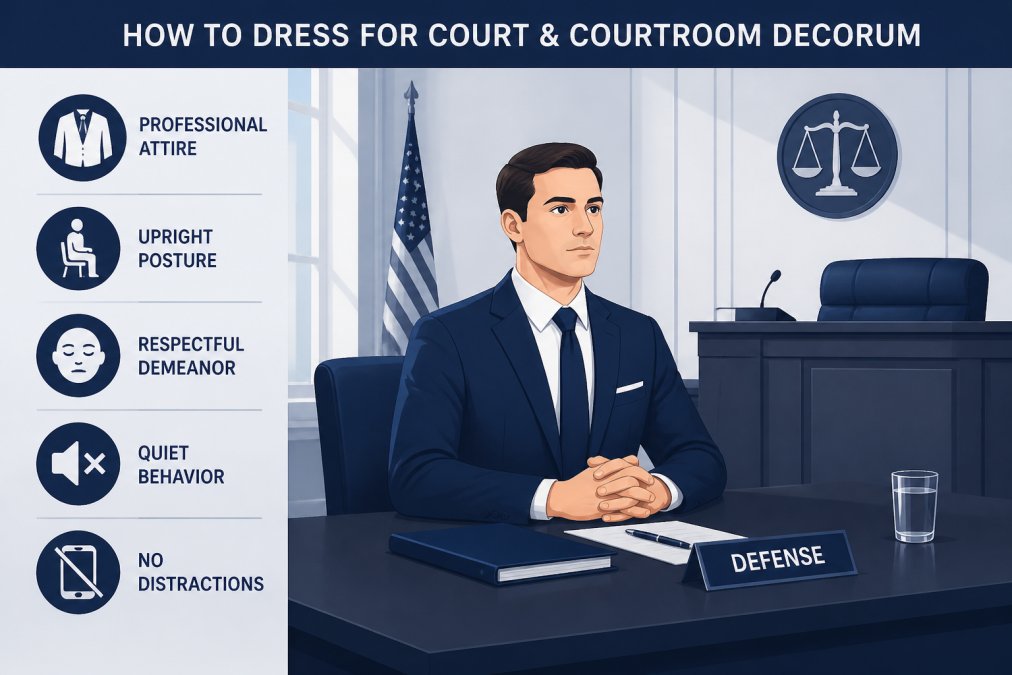
Courtroom decorum maintains order and shows respect for the legal process. Arrive early. Sit quietly at the defense table. Don't talk to jurors or witnesses. Don't make facial expressions or gestures showing disagreement. Don't interrupt. Communicate with your attorney through written notes.
If you testify, answer questions directly without arguing. Don't volunteer information beyond what's asked. If you don't understand a question, ask for clarification. If you don't know an answer, say so rather than guessing.
The judge controls the courtroom. Disrespecting the court or disrupting proceedings can result in contempt charges and additional penalties.
Questions to Ask Your Defense Attorney
Your relationship with your defense attorney is critical. Ask the right questions to understand your case and options.
Trial Strategy and Burden of Proof
Ask your attorney to explain the burden of proof. The prosecution must prove guilt beyond a reasonable doubt, a high standard meaning guilt to such a degree that a reasonable person would rely on it in important decisions.
Request a Free Case Evaluation →
Ask about the prosecution's case strategy: What are they proving? What witnesses will testify? What evidence will be presented? What are the weaknesses? Ask about the defense strategy: What's your attorney's theory? Will you testify? Will the defense present witnesses? What evidence will be challenged? Ask for a realistic assessment of conviction versus acquittal likelihood based on evidence, law, and your jurisdiction's similar cases.
Witness Credibility and Impeachment
Ask how your attorney will challenge prosecution witness credibility through cross-examination about prior inconsistent statements, bias, or contradicting evidence. Ask about expert witnesses: Does the defense need counter-experts? What will they say? How much will they cost? Ask about character witnesses who can testify about your character and humanize you to the jury.
Psychological Preparation and Managing Fear
Criminal trial is extremely stressful. You face potential incarceration, freedom loss, and permanent criminal record. Your reputation is attacked. Strangers decide your fate.
Psychological preparation means acknowledging fear and managing it so it doesn't control courtroom behavior. You need to sit still, control facial expressions, and appear composed even when testimony is upsetting.
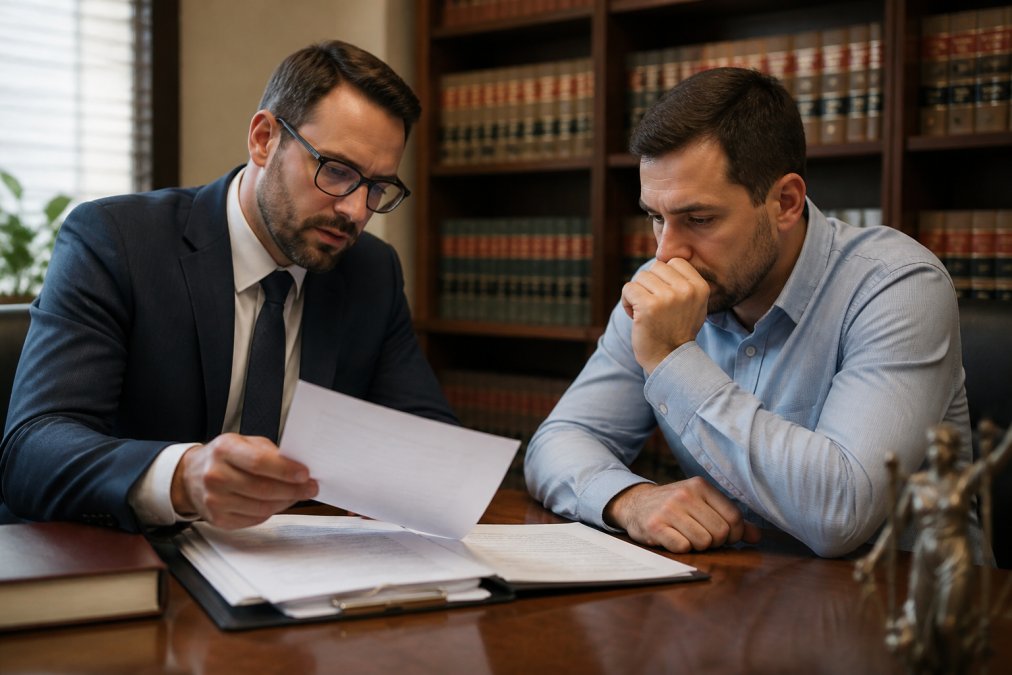
Talk to your attorney about what to expect. Ask what witnesses will say and what evidence will be presented. The more you know in advance, the less shocking actual testimony will be. Develop coping strategies: taking notes, using breathing techniques, or focusing on particular points. Understand that your demeanor affects the jury. If you appear angry or defensive, jurors interpret that as guilt. If you appear calm and respectful, they see someone who respects the process.
Consider working with a therapist or counselor before and during trial. Professional support helps manage emotional toll.
Financial Planning for Your Trial
Criminal trial is expensive. Attorney's fees, expert witnesses, investigators, and other costs add up quickly. Ask your attorney for a total cost estimate including attorney's fees, expert witness fees, investigator fees, and other anticipated expenses.
Ask about payment options: flat fee, hourly, or payment plans. If you can't afford an attorney, ask about public defenders. In many jurisdictions, if you qualify by income, the court appoints a public defender at no cost. Public defenders have significant caseloads but many are experienced advocates.
Consider expenses beyond legal fees: bail or bond costs, compliance costs (drug testing, electronic monitoring), and post-conviction costs (fines, restitution, probation fees).
Post-Trial Expectations and Next Steps
The trial ends with a verdict: guilty or not guilty. If acquitted, you're free. If convicted, sentencing follows.
Sentencing is a separate proceeding where the judge determines punishment: probation, jail time, prison time, fines, restitution, or combinations. Your attorney presents mitigating evidence and argues for leniency. The prosecution argues for harsher sentences.
If convicted, you have the right to appeal, a request to a higher court to review whether the trial was fair and whether conviction should be overturned. Appeals are based on legal errors, not actual guilt or innocence.
Talk to your attorney about sentencing guidelines, appeal options, and post-conviction life. Having realistic expectations helps you cope with outcomes.
Facing a criminal trial is one of the most challenging experiences you'll go through. The outcome affects your freedom, reputation, and future. Van Nuys Crime understands what's at stake and has the courtroom experience and strategic insight to fight for the best possible outcome. Our team has represented defendants through every stage of the criminal trial process, from arrest through trial and appeal, and knows how to identify weaknesses in the prosecution's case, challenge evidence, and present a compelling defense. Request a Free Case Evaluation with our team to discuss your case and learn how we can help protect your rights and your future.
| Phase | Timeline | Key Actions |
|---|---|---|
| Discovery | Weeks to months before trial | Exchange evidence, conduct investigation, identify weaknesses |
| Pre-Trial Motions | Weeks before trial | File motions to suppress evidence, challenge admissibility |
| Jury Selection | 1-3 days | Question potential jurors, seat jury |
| Prosecution's Case | 2-5 days | Witnesses testify, evidence presented |
| Defense's Case | 1-3 days | Defense witnesses testify, evidence presented |
| Closing Arguments | 1 day | Both sides argue to jury |
| Jury Deliberation | Hours to days | Jury reaches unanimous verdict |
| Sentencing (if convicted) | Weeks after verdict | Judge determines punishment |
Frequently Asked Questions
What are the 7 stages of a criminal trial?
A criminal trial typically progresses through jury selection, opening statements, prosecution's case presentation, defense's case presentation, closing arguments, jury deliberation, and verdict. Each stage has distinct purposes: discovery establishes what evidence exists, voir dire identifies impartial jurors, opening statements frame each side's narrative, witness testimony and cross-examination test credibility and admissibility of evidence, closing arguments summarize the case, and deliberation leads to a verdict based on the burden of proof and reasonable doubt standard.
How long does it typically take to prepare for a criminal trial?
Preparation timelines vary significantly based on case complexity, charge severity, and discovery scope. Felony cases often require 3-6 months or more of intensive preparation, including evidence review, witness interviews, expert testimony coordination, and trial strategy development. Your defense attorney will conduct thorough investigation of police reports, identify weaknesses in the prosecution's case, and file motions in limine to challenge inadmissible evidence. Early preparation allows time for negotiation and ensures you're ready if the case proceeds to trial.
What questions should I ask my defense attorney before trial?
Ask your attorney about their specific trial experience in the Van Nuys courthouse, their assessment of the prosecution's burden of proof in your case, what witnesses they plan to call, how they'll challenge the admissibility of key evidence, their trial strategy regarding reasonable doubt, what your role will be as a defendant, potential sentencing outcomes if convicted, and whether they recommend proceeding to trial or exploring plea negotiations. Request direct communication about case developments and a realistic assessment of your options based on the strength of evidence against you.
What should I wear to court and how should I behave?
Wear conservative business attire: a dark suit, dress shirt, and tie for men; a professional dress or suit for women. Avoid flashy jewelry, visible tattoos, and casual clothing. In the courtroom, maintain respectful decorum by sitting quietly, making appropriate eye contact with the jury, avoiding facial expressions that suggest guilt or anger, and addressing the judge as 'Your Honor.' Never interrupt witnesses or your attorney, keep your phone off, and arrive early. Your appearance and behavior influence jury perception of your credibility and character.
What happens during jury selection and voir dire?
Voir dire is the process where potential jurors are questioned by both the prosecution and defense to identify bias or conflicts. Your defense attorney will assess whether jurors can fairly evaluate the evidence, understand reasonable doubt, and apply the burden of proof standard. Both sides can challenge jurors for cause if bias is evident, and each side has limited peremptory challenges to remove jurors without stating cause. This stage is critical because juror attitudes toward your charges, credibility assessment of witnesses, and understanding of legal standards directly affect the verdict.
How does digital evidence get presented and challenged in a criminal trial?
Digital evidence includes text messages, emails, social media posts, phone records, and surveillance video. Prosecutors must establish a chain of custody and authenticate digital evidence through testimony. Your defense attorney can challenge admissibility by questioning how evidence was collected, whether it was altered, if proper warrants were obtained, and whether the prosecution can prove its relevance. Impeachment of digital evidence often focuses on timing, context, and whether the evidence actually proves guilt beyond reasonable doubt. Expert testimony may be needed to address technical issues or alternative explanations.
What should I expect after a verdict is delivered?
After a guilty verdict, sentencing typically occurs within weeks or months. The judge considers factors like your criminal history, the severity of the offense, victim impact statements, and mitigating circumstances your attorney presents. If acquitted, you're released and the case is closed. Regardless of outcome, discuss post-trial options with your attorney, including appeals if convicted, potential expungement of records if acquitted, and restoration of rights. Your attorney will explain sentencing guidelines, appeal timelines, and any conditions of release or probation.
This article was written using GrandRanker