 how-to
Can You Make a Call After Arrest? Your Rights
Table of Contents
- Can You Make a Call After Arrest? The Short Answer
- Your Right to an Attorney After Arrest
- State Laws That Govern Calls After Arrest
- Understanding Jail Phone Call Policies
- Limitations on Your Call After Arrest
- What to Do If You Are Denied a Call
- How to Find Someone in Jail
- Conclusion: Protect Your Rights From the First Call
- Frequently Asked Questions
Last Updated: September 6, 2026
Can You Make a Call After Arrest? The Short Answer
Yes, you generally can make a call after arrest, but the specific rules depend entirely on where you were arrested and the policies of the booking facility. Contrary to what movies and television have popularized, there is no universal constitutional right to a single dramatic "one phone call." Instead, access to a telephone is governed by state statutes and the discretion of law enforcement during the booking process.
Many people believe they are entitled to one call immediately upon request, but the reality involves a formal booking process that can take hours. Your right to call an attorney is protected more strongly than your right to call anyone else, a nuance that can significantly impact your case from the very beginning.
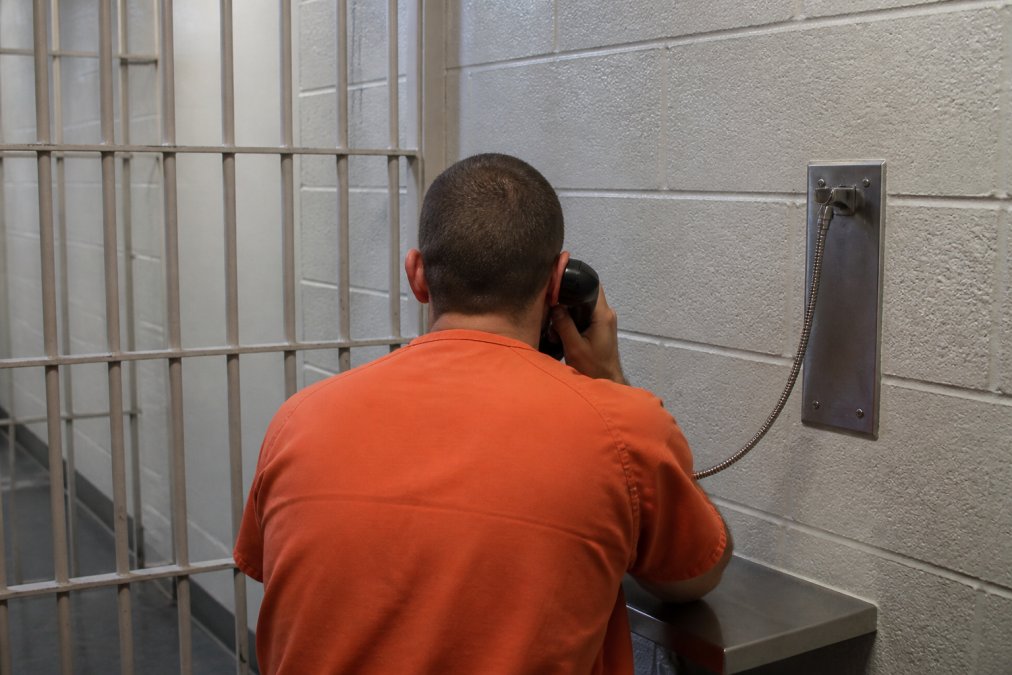
Your Right to an Attorney After Arrest
Your right to an attorney after arrest is the most important legal protection you have at this moment. This right is rooted in the Sixth Amendment, which guarantees legal counsel during criminal prosecutions, and it applies from the moment you are in custody. The Legal Aid Society notes that an initial arraignment typically follows an arrest within about 24 hours, which means the window to secure representation and prepare is narrow The Legal Aid Society's guide on arraignment timelines.
When you request an attorney, law enforcement must stop questioning you. This is where the distinction between calling a lawyer and calling a family member matters most. A call to a spouse or parent does not trigger the same protections, and anything you say during that call can be used against you.
State Laws That Govern Calls After Arrest
State law, not federal law, determines how many calls you get and when you can make them. California, for example, has one of the most specific statutes in the country. Under California Penal Code Section 851.5, an arrestee has the right to make at least three completed phone calls immediately after being booked, and no later than three hours after arrest California Penal Code 851.5 as summarized by EG Attorneys. These calls may be made to an attorney, an employer, or a relative.
FindLaw confirms that this right to at least three calls is a specific protection granted under California law FindLaw's overview of arrestee calling rights. The calls must be completed, meaning the person you are calling must actually answer or receive the call, and you must be allowed to finish speaking with them.
| State | Minimum Calls | Time Limit | Who You Can Call |
|---|---|---|---|
| California | 3 | Within 3 hours of booking | Attorney, employer, relative |
| Federal (no statute) | Varies | At police discretion | Typically attorney |
| Many other states | 1-3 | Varies | Varies |
Understanding Jail Phone Call Policies
Once the initial booking window closes, the rules for phone access shift dramatically. You cannot receive incoming calls, and all outgoing calls are placed through a third-party vendor that manages the jail’s telecommunications system. The three largest vendors are Securus Technologies, GTL (now ViaPath Technologies), and ICSolutions, and each facility contracts with one of these companies.
For example, a 15-minute call from a county jail through Securus can cost anywhere from $0.21 to $0.85 per minute, depending on the state and the facility’s negotiated rates. Many jails also impose a “connection fee” of $2 to $3 per call. These costs are typically borne by the person receiving the call, either through a prepaid account or by accepting collect charges.
To make a call, you must either know the number by heart or have it written down. You will not have your cell phone, and most jails prohibit access to digital contacts. If you have a lawyer, the most important number to memorize is your attorney’s direct line. If you do not have one, consider memorizing the number of a trusted family member who can then contact a defense attorney on your behalf.
The booking process itself can take several hours. During this time, you are photographed, fingerprinted, and searched, and your personal property is inventoried. The booking officer is not required to interrupt this process simply because you ask for a phone, and in many jurisdictions you will only be allowed to make your initial calls after the booking paperwork is complete.
Another critical detail: jail calls are not private. The facility records all calls, and those recordings can be used against you in court. This includes calls to family members, friends, and even your attorney if the call is placed on a monitored line. While attorney-client privilege generally protects calls to a lawyer, some jails have been criticized for recording those calls as well. To protect yourself, keep all conversations about your case brief and factual, and never discuss the details of the alleged offense on a recorded line.
For family members trying to reach an inmate, the process is equally specific. You cannot call the jail and ask to speak to the inmate. Instead, you must set up an account with the facility’s phone vendor, deposit funds, and wait for the inmate to call you. Most jails allow you to create an account online or by phone within minutes, but the funds may take up to 24 hours to become available. If you need to speak to the inmate urgently, the fastest way is often to contact the facility’s administrative office and request a message be passed along, though this is not guaranteed.
Many families are surprised to learn that they cannot simply call the jail and ask to be connected. The vendor system is designed to generate revenue for the facility, and the rates are often higher than standard long-distance charges. Understanding this system before an emergency occurs can save you time, money, and frustration.
Limitations on Your Call After Arrest
Several limitations can restrict your call after arrest. First, calls are almost always recorded, which means the content of your conversation is not private. Second, you may be limited to calling numbers that are not blocked or that accept collect charges. Third, if you are arrested for a serious offense, law enforcement may delay your call for a reasonable period to protect their investigation.
The most significant limitation is the risk of self-incrimination. Because calls are monitored, anything you say about the circumstances of your arrest can be introduced at trial. This is why experienced defense attorneys advise clients to keep phone conversations brief and focused on arranging legal representation rather than discussing the facts of the case.
What to Do If You Are Denied a Call
If you are denied your statutory right to make a call, remain calm and document the refusal. Ask the booking officer for the name and badge number of the supervising officer, and state clearly that you are requesting your legal right to contact an attorney. Do not argue or become confrontational, as this can lead to additional charges or delays.
Request a Free Case Evaluation →
After you are released or at your first court appearance, inform your attorney about the denial. A violation of your right to make a call can be raised as part of a broader challenge to the legality of your detention, though it rarely results in dismissal of charges on its own. The practical remedy is to ensure your attorney is notified as soon as possible through other channels, such as a family member contacting the firm directly.
How to Find Someone in Jail
If you are a family member or friend trying to locate someone who has been arrested, the first step is to determine which agency made the arrest. If the arrest was made by a local police department, the person is likely in a county jail. If it was made by a federal agency such as the FBI or DEA, they may be in a federal detention center. State arrests go to state prisons or county jails, depending on the severity of the charge.
For county jails, the most reliable tool is the online inmate locator system. Most counties in the United States offer a searchable database on the sheriff’s department website. You can search by name, date of birth, or booking number. Booking numbers are typically assigned within a few hours of the arrest, so if you do not find the person immediately, wait a few hours and try again.
For federal inmates, the Federal Bureau of Prisons (BOP) provides a nationwide inmate locator at bop.gov. This database includes individuals in federal custody, but it may take up to 24 hours for a new arrest to appear. If the person is in a state prison, each state’s department of corrections has its own locator tool.
Once you locate the facility, you need to understand its specific rules for phone calls, visitation, and sending money. Most jails use a third-party vendor for inmate phone services, such as Securus, GTL, or ICSolutions. You will need to create an account with the vendor, deposit funds, and provide your phone number so the inmate can call you. Some jails also allow video visitation, which can be scheduled online.
A common mistake families make is assuming that the arrestee can call them immediately. The booking process can take several hours, and the initial call may not happen until the person is moved to a housing unit. If you miss the call, you may not be able to call back, as most jails do not allow incoming calls.
Another practical step is to contact a criminal defense attorney as soon as you know where the person is being held. An attorney can visit the jail, speak to the arrestee, and begin building a defense. Many attorneys offer free initial consultations.
For families in Los Angeles County, the online inmate locator is available through the Sheriff’s Department website. You can search by booking number or name, and the system provides the facility address and charges. If you need to send money, the county uses a third-party vendor called GTL, and you can deposit funds online or at a kiosk in the jail lobby.
If you are in this situation, do not wait. The sooner you act, the sooner your loved one can speak to an attorney and protect their rights.
Conclusion: Protect Your Rights From the First Call
The moments after an arrest are chaotic, and the decisions you make can echo through your entire case. The most protective choice is to use your call after arrest to reach a criminal defense attorney rather than a friend or family member, who can advise you on what to say and how to navigate the booking process without incriminating yourself.
At Van Nuys Crime, our seasoned team provides aggressive, personalized representation for cases ranging from minor offenses to serious felonies, including drug, gang, and violent crimes. We combine deep courtroom experience with thorough investigations and strategic legal insight. If you or a loved one is in custody, do not wait. Request a free case evaluation and protect your rights from the very first call.
Frequently Asked Questions
Do police have to let you make a phone call immediately after arrest?
No federal law guarantees an immediate call. The right to a call after arrest is governed by state law. In California, for example, you are entitled to at least three completed calls no later than three hours after booking. In other states, the rules differ. Your call can also be delayed for legitimate safety or investigative reasons. If you are not allowed to call an attorney, that is a serious concern that may affect your case.
Are calls from jail monitored or recorded?
Yes. Calls made from a detention facility are typically recorded and may be monitored, except for calls to your attorney. Statements you make to friends or family on a recorded line can be used as evidence against you. Always assume you are being recorded. Keep conversations general and avoid discussing the facts of your case. Your call to a lawyer should be confidential, but confirm this with the facility if you are unsure about their policies.
What is the 48 hour rule in crime?
The 48 hour rule generally refers to the requirement that a person arrested without a warrant must be brought before a judge for a probable cause determination. In many jurisdictions, this initial appearance, or arraignment, must happen within 48 hours of arrest. This is a separate process from your right to make a phone call. The timeframe can vary, so it is important to understand the specific procedures in the state where you were arrested.
What should you say on a recorded jail phone call?
Keep it brief and assume everything is recorded. State that you are okay and ask the person to contact a criminal defense attorney for you. Do not discuss the charges, where you were, or who you were with. Avoid making any statements about the incident. Even a casual remark can be misinterpreted or used against you later. Your priority is to arrange legal representation, not to explain your side of the story.