 how-to
Can't Afford a Private Attorney? What Happens Next
Table of Contents
- What Happens When You Cannot Afford a Private Attorney
- The Right to Counsel in Criminal Cases
- The Reality of the Justice Gap
- How to Qualify for a Public Defender
- Public Defender vs Private Attorney Effectiveness
- What to Do If You Can No Longer Afford Your Current Lawyer
- Low-Cost Legal Options: Pro Bono, Legal Aid, and Limited Scope Representation
- Civil vs. Criminal Cases: Different Rules for Affording an Attorney
- Conclusion
- Frequently Asked Questions
Last Updated: September 12, 2026
What Happens When You Cannot Afford a Private Attorney
If you cannot afford attorney fees for private counsel, the Constitution does not leave you defenseless. In criminal cases, the court must appoint counsel at government expense if you qualify as indigent; in civil matters you have lower-cost paths like legal aid, pro bono programs, and limited scope representation. Everything starts with one distinction: criminal or civil.
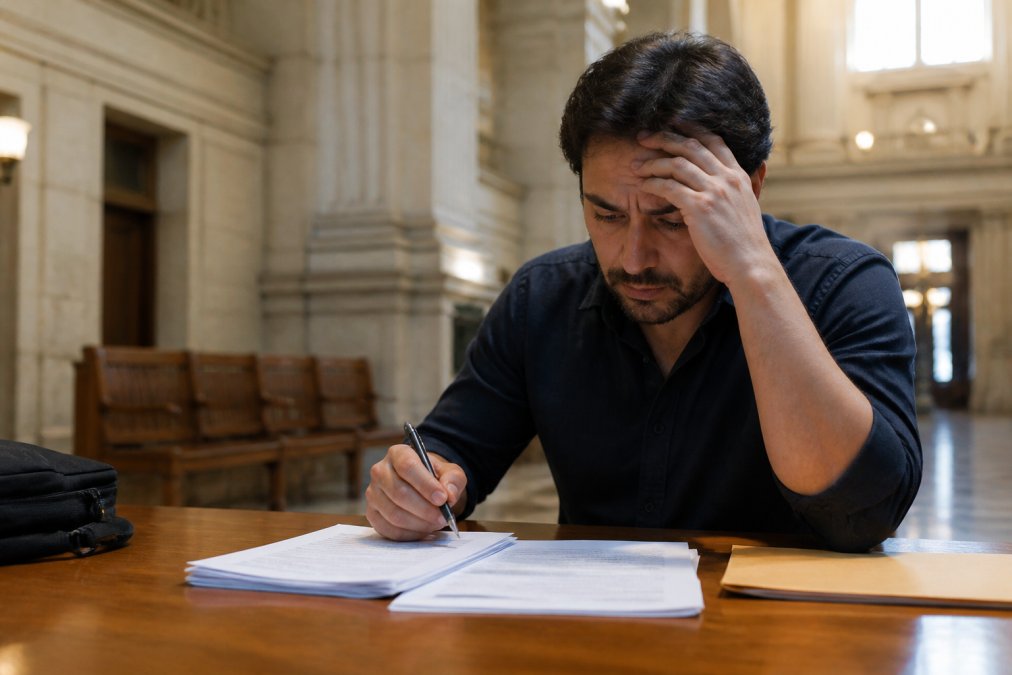
The scale of this problem is enormous. According to United States Courts data on federal criminal representation, over 90 percent of defendants in federal criminal cases rely on court-appointed counsel. This guide from Van Nuys Crime walks through how eligibility works, what to do when you don't qualify, and how to find affordable representation before a deadline forces your hand.
The Right to Counsel in Criminal Cases
The right to counsel is a constitutional guarantee. Under the Sixth Amendment, anyone facing criminal charges that could result in incarceration is entitled to an attorney, and the Supreme Court has held that states must provide one for defendants who cannot pay.
That guarantee comes with a catch: it applies to criminal prosecutions, not most civil disputes. If you're facing eviction, a custody fight, or a debt lawsuit, no automatic right to appointed counsel exists, the single biggest misunderstanding people bring to this problem.
The Reality of the Justice Gap
Financial barriers keep millions of people out of courtrooms entirely. The American Bar Association's 2024 report on access to legal services found that 46 percent of respondents cited financial concerns as a reason for not seeking legal help, and 53 percent doubted they could find a lawyer within their budget (ABA report on access to legal services).
There's a harder edge to this problem that rarely makes headlines. Some people earn too much to qualify for a public defender but not enough to afford private counsel, a gap reporting on the justice gap in Texas documented as far back as 2022. They fall into a middle tier with real exposure and no clear safety net.
How to Qualify for a Public Defender
Qualifying for a public defender means passing a financial screening that measures your income, assets, and dependents against your jurisdiction's indigency guidelines. The court, not you, decides.
You typically request appointed counsel at your first appearance, where a judge asks about your finances and may require a sworn statement. If you're unsure whether you qualify, apply anyway. Courts would rather screen you out than have you face charges alone.
The Financial Affidavit and Indigency Screening
The financial affidavit is a sworn document listing your income, expenses, bank accounts, property, and dependents. Indigency screening compares those figures against the court's threshold; judges have discretion in close cases.
Be honest on this form. Understating assets to qualify is a crime and can sink your credibility on the underlying charge; overstating hardship rarely helps.
What If You Don't Qualify?
If you don't qualify, the court will deny appointed counsel, but that is not the end of your options. You can request a hearing to reconsider if your circumstances change, such as a job loss or a new dependent.
You can also hire an attorney for a limited portion of the case rather than the whole thing. Ask about a public defender again if your finances deteriorate, judges revisit eligibility more often than people expect.
Public Defender vs Private Attorney Effectiveness
Public defenders are experienced, overworked, and often underestimated. A public defender may handle well over a hundred active cases at a time, and in some jurisdictions the annual caseload runs into the hundreds. That volume builds real trial and negotiation skill: they know the local prosecutors, judges, courtroom staff, and plea norms better than almost anyone. For a routine charge with a predictable resolution, that familiarity is a genuine advantage.
The tradeoff is time and resources. High caseloads mean less individualized attention, fewer hours for investigation, and less availability for client conversations. A private attorney can devote more hours to one case, commission expert witnesses, file more pretrial motions, and build a defense around your circumstances. Whether that preparation changes the outcome depends on the facts.
Neither option is automatically better. The right choice depends on the complexity of your charges, your jurisdiction's resources, and how much time your defense requires. For serious felonies, the difference in preparation time can matter enormously; for a misdemeanor with a clear factual record, the gap may be small.
A few practical comparisons are worth knowing:
- Case volume: A public defender's docket is set by the court; a private attorney's docket is set by the firm. That single difference drives most of the rest.
- Investigation budget: Public defender offices often share investigators across many cases; a private firm can assign one to yours.
- Communication: Expect shorter, less frequent meetings with a public defender. If your case turns on facts only you can explain, that matters.
- Familiarity with the court: Public defenders usually have the edge here, especially in busy urban courts.
- Cost: A public defender is free if you qualify; a private attorney is not, and the fee structure varies widely.
If you qualify for a public defender, you are not required to accept one. You may hire private counsel instead, or hire a private attorney for a limited portion of the case while keeping appointed counsel for the rest. Courts generally allow this, but raise it early so the judge can adjust the schedule.
If you are weighing the two, ask a public defender's office how many active cases the assigned attorney typically carries, and ask a private attorney how many hours they expect to spend on your matter. Those numbers tell you more than any general reputation does.
What to Do If You Can No Longer Afford Your Current Lawyer
Losing the ability to pay mid-case is common, and the law gives you a path forward. You are not locked into a retainer you can no longer fund, but handle the transition correctly so it doesn't damage your case.
Talk to your attorney first. Many firms will renegotiate, reduce scope, or set up a payment plan before anyone walks away. If that fails, the formal route is a motion to withdraw.
The Motion to Withdraw as Counsel Process
A motion to withdraw as counsel is a formal request by your attorney asking the court for permission to leave the case. Your lawyer files it, states the reason, and the judge decides.
Request a Free Case Evaluation →
Courts do not grant these automatically. A judge weighs the timing against trial dates and whether withdrawal would prejudice your defense. If granted, the court typically appoints counsel or gives you time to find a replacement.
Switching to a Public Defender Mid-Case
Switching to a public defender mid-case is possible, but it depends on your finances and the court's discretion. You'll need a new financial affidavit showing your circumstances have changed.
Timing matters. The closer you are to trial, the less likely a judge is to approve the switch, because a new attorney needs time to get up to speed. Raise it as early as possible.
Low-Cost Legal Options: Pro Bono, Legal Aid, and Limited Scope Representation
Low-cost legal help exists in more forms than most people realize. The key is knowing which option fits your case type and how much work you can handle yourself.
| Option | Best For | How to Access |
|---|---|---|
| Legal aid | Low-income civil cases | Local legal aid office |
| Pro bono programs | Civil matters, varying income | Bar association referral |
| Limited scope representation | Part of a case, not all | Hire attorney for specific tasks |
| Pro se | Simple matters, self-help | Court self-help centers |
| Sliding scale fees | Moderate income, civil or criminal | Legal clinics, bar referral service |
Pro bono means an attorney takes your case without charge, usually through a bar association or legal aid organization. Legal aid organizations provide free representation in civil matters like housing, benefits, and family law. Limited scope representation, sometimes called unbundled legal services, lets you hire a lawyer for specific tasks such as reviewing a plea or drafting a motion, while you handle the rest. TexasLawHelp.org guidance on limited scope representation explains how this arrangement works when full-service counsel is out of reach.
Pro Se Representation Resources
Pro se means representing yourself, and it is a legitimate option for straightforward matters. Court self-help centers, legal clinics, and online court forms can guide you through filing and procedure.
Go in with clear eyes. Pro se defendants face the same rules as attorneys, and a procedural mistake can cost you rights you didn't know you had. Use self-help resources for simple matters and get at least a consultation for anything serious.
Negotiating Payment Plans with Private Attorneys
Payment plans are more common than people assume, and many attorneys would rather structure a plan than lose a client. Ask directly, and be specific about what you can pay and when.
Come prepared with a realistic budget and proposed schedule. Ask whether the firm offers flat fees for specific tasks, reduced rates for limited scope work, or deferred payment. Get any agreement in writing before work begins.
Civil vs. Criminal Cases: Different Rules for Affording an Attorney
Civil and criminal cases operate under completely different rules when it comes to affording counsel. In criminal cases, the government must provide an attorney if you cannot pay and you face potential incarceration. In civil cases, no such guarantee exists, no matter how much is at stake. The practical question is what to do when your case is civil and you cannot afford attorney representation.
What Counts as a Civil Case
Civil matters include eviction and landlord-tenant disputes, foreclosure, debt collection lawsuits, family law (divorce, custody, child support), benefits denials (SNAP, Medicaid, disability), immigration proceedings, and small claims. In these cases, you can lose your home, your children, your income, or your immigration status without ever having a lawyer. The Constitution does not require the government to appoint one.
Where to Start When You Cannot Afford a Civil Attorney
Start with your local legal aid office. Legal aid organizations provide free representation in civil matters, usually to households below a set income threshold. Search for the office serving your county and apply as early as you can, many have waiting lists, and demand far exceeds supply.
If legal aid cannot take your case, work through these options:
- Bar association referral services. Most state and local bar associations run a referral line. Some offer a low-cost initial consultation, often a flat fee for the first 30 minutes. That single consultation can tell you whether you have a defense worth pursuing.
- Pro bono programs. These place cases with volunteer attorneys, usually in specific practice areas such as housing, family law, or veterans' benefits. Income limits vary, and some programs serve moderate-income households that do not qualify for legal aid.
- Limited scope representation (unbundled services). You hire an attorney for specific tasks, reviewing a settlement offer, drafting an answer, coaching you before a hearing, while you handle the rest. This is often the most realistic option for a civil case where full representation is out of reach.
- Court self-help centers. Most state court systems operate self-help centers with forms, instructions, and sometimes on-site assistance. They cannot give legal advice, but they can help you file correctly.
- Law school clinics. Many law schools run clinics in housing, family, and consumer law, supervised by licensed attorneys.
Deadlines Are the Real Risk in Civil Cases
Civil cases run on strict deadlines. An answer to a complaint is typically due within a set number of days after service, and missing it can result in a default judgment against you, meaning you lose without ever presenting a defense. Address the representation question before your first deadline, not after.
If Your Case Is Criminal
If your matter is criminal, the path is different. Request appointed counsel at your first appearance, complete the financial affidavit, and sort out the details afterward. Do not wait to be told you qualify, ask.
Getting the category right is the first step to getting help. If your matter is civil, start with legal aid and a bar referral service today. If it is criminal, request appointed counsel immediately.
Conclusion
The hardest part of facing charges without money isn't the paperwork. It's the fear that no one will fight for you. Van Nuys Crime exists for exactly that moment, with decades of combined courtroom experience, personalized representation, and aggressive defense strategies built around your specific charges. We investigate police reports thoroughly, identify weaknesses in the prosecution's case, and negotiate for reduced charges or dismissals when the evidence supports it. You don't have to navigate this alone. Request a free case evaluation with Van Nuys Crime and get a clear plan for what comes next.
Frequently Asked Questions
What happens if you can no longer afford your attorney?
If you can no longer afford your private attorney, you have options. You can ask the court to appoint a public defender if you qualify financially. Your current attorney may file a motion to withdraw as counsel, which requires court approval. The judge will then determine if you are indigent and eligible for court-appointed counsel. In civil cases, you may need to seek legal aid or represent yourself. It's important to communicate openly with your attorney about your financial situation before missing payments.
How does the court determine if you qualify for a public defender?
The court uses a financial affidavit and indigency screening to assess your income, assets, and expenses. You must provide accurate information about your employment, bank accounts, property, and dependents. Each jurisdiction has its own income thresholds, often based on federal poverty guidelines. If you earn too much to qualify but still cannot afford a private attorney, you may fall into the justice gap. Consult a local legal aid organization or the court clerk for specific eligibility rules in your area.
Is a public defender as effective as a private attorney?
Public defenders are experienced trial attorneys who handle high volumes of cases and know the local court system well. They can be highly effective, especially for routine matters. However, they often carry heavy caseloads, which may limit time for personalized attention. Private attorneys may offer more flexibility, specialized expertise, and resources for investigation. The best choice depends on the complexity of your case, your budget, and the available options. In some situations, limited scope representation with a private attorney can fill gaps.
Can you switch from a private attorney to a public defender?
Yes, you can switch if you meet the financial eligibility requirements. Your private attorney must file a motion to withdraw as counsel, which the judge must approve. The court will then conduct an indigency screening to confirm you cannot afford private representation. If approved, a public defender will be appointed. Keep in mind that switching may cause delays, and the new attorney will need time to review your case. It's wise to discuss this with your current attorney and the court before making a change.